Post by : Shweta
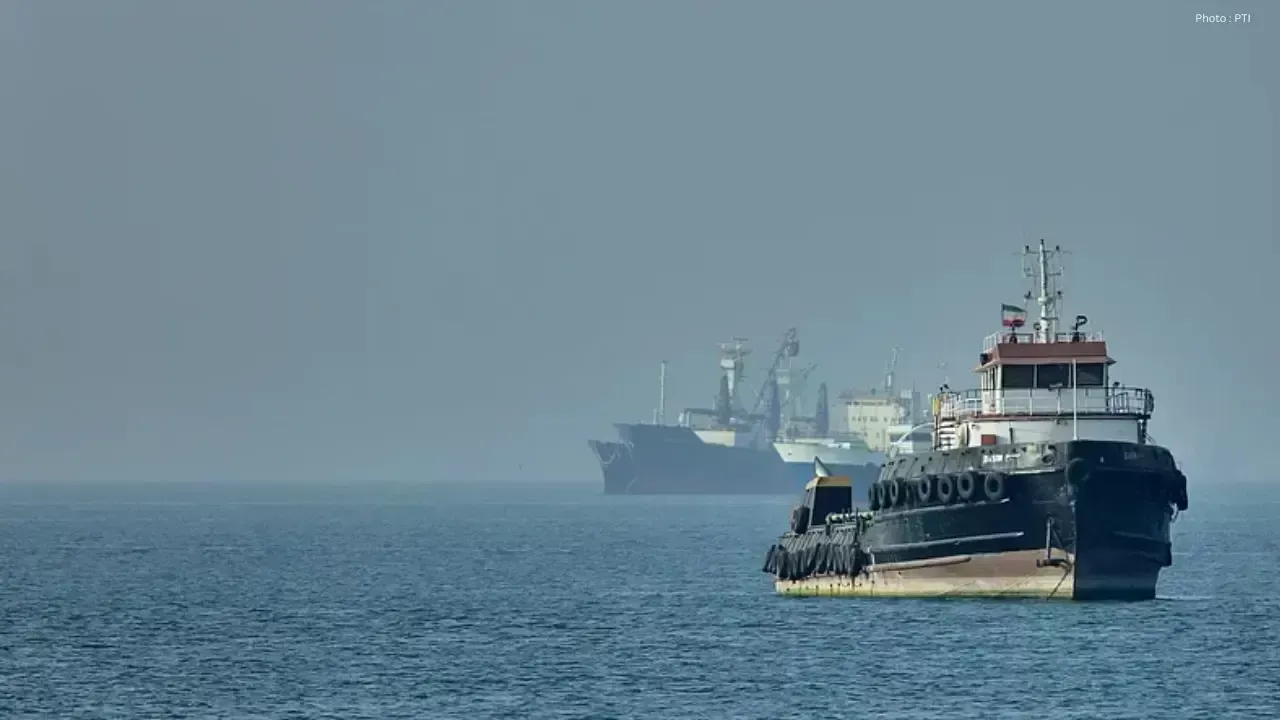
In the face of escalating regional conflicts, Iran has asserted that it will maintain control over the strategically crucial Strait of Hormuz. Key Iranian officials expressed that Tehran will continue to oversee and safeguard this vital waterway, which plays a pivotal role as one of the globe's major oil transport channels.
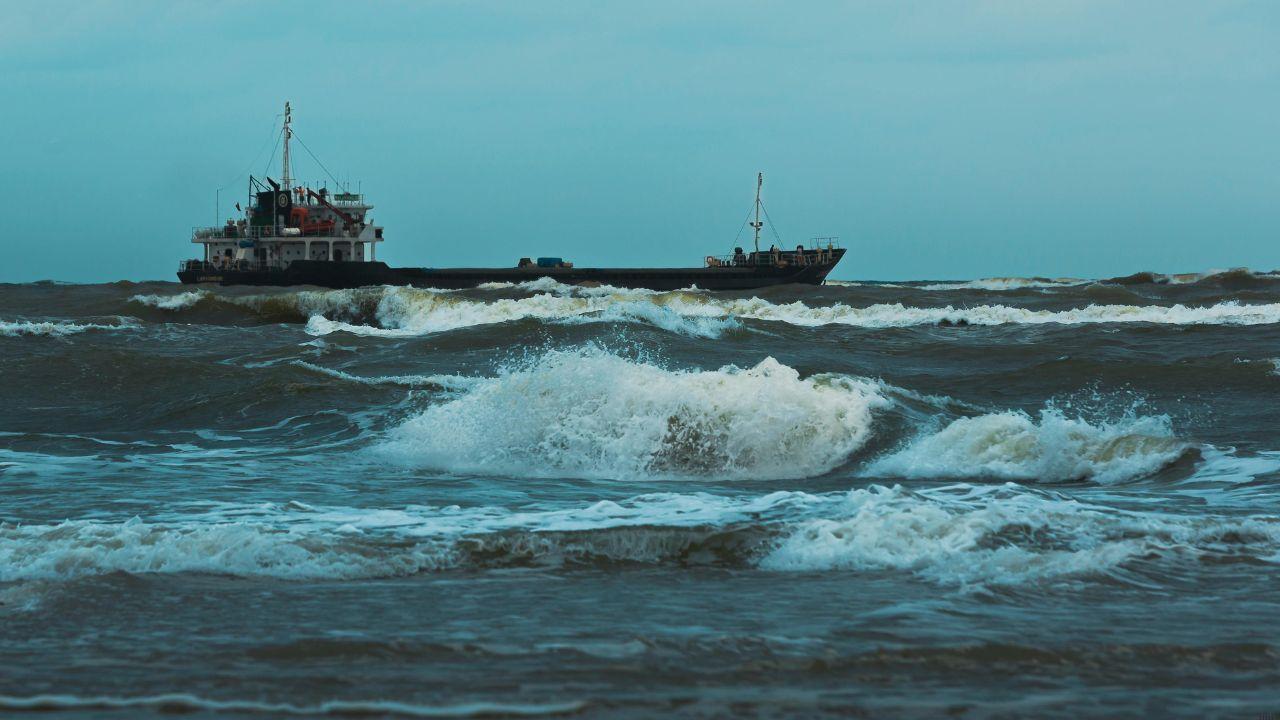
This strait connects the Persian Gulf to the Arabian Sea and is essential for the transit of a significant portion of global oil and liquefied natural gas. Global energy stakeholders are sharply focused on the situation as disruptions could have widespread ramifications for oil prices and shipping logistics. An estimated 20% of the world's oil trade typically traverses this narrow passage.
Iranian representatives indicated that the nation would show “no leniency” in preserving its interests and authority over the strait during these tumultuous times. Tehran maintains it has the prerogative to regulate activities in this area, which partially falls within its territorial waters. In contrast, Western nations and maritime professionals emphasize the strait's status as an international navigable channel protected under global maritime laws.
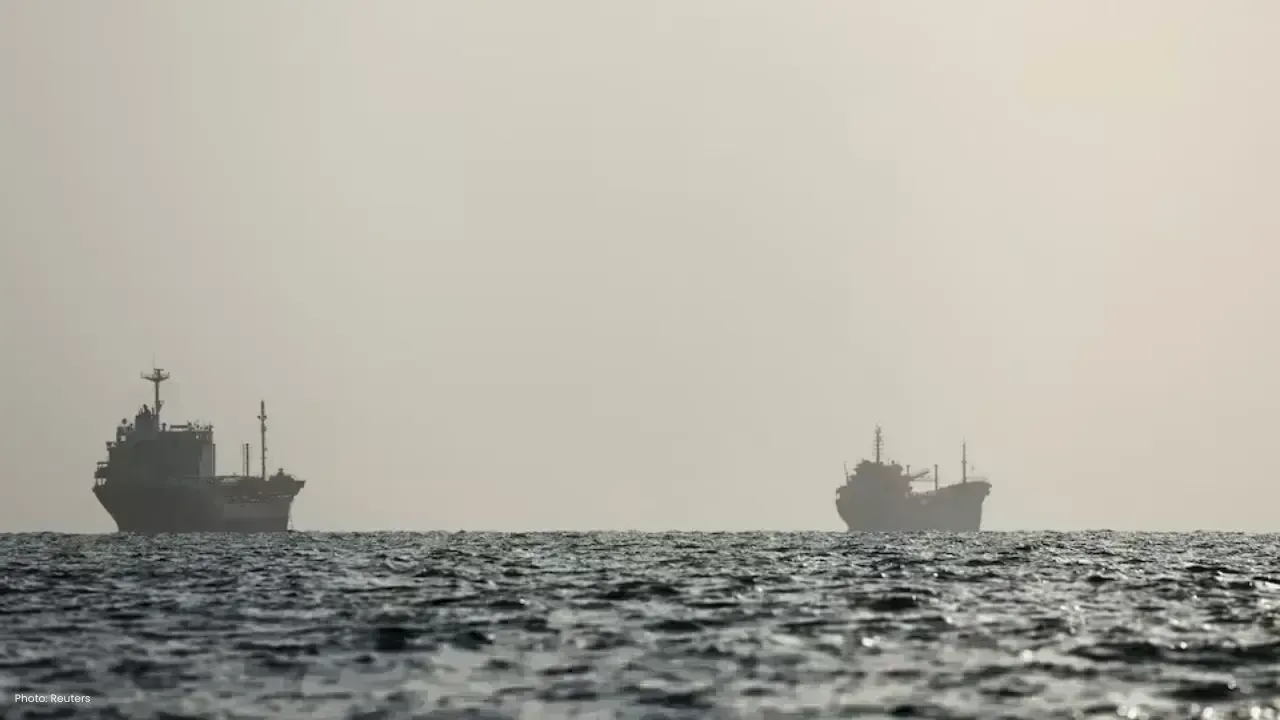
These declarations emerge amidst heightened military and political tensions in the Middle East. Current reports suggest that shipping activities through the strait have already seen disruptions, linked to the ongoing conflicts involving Iran and its interactions with the United States and Israel. Numerous oil tankers have experienced delays and security challenges whilst attempting to navigate the area.
Iran’s Revolutionary Guard has previously issued warnings to foreign vessels entering the area. During recent months, Iran has reportedly intensified its monitoring and security measures in the strait as tensions surged. Some international shipping companies have taken precautionary steps, either scaling back operations or altering routes in response to concerns of instability and potential attacks.
This evolving situation has raised significant alarm among energy-importing nations, particularly in Asia, who heavily rely on oil and gas that transit through the Strait of Hormuz. Analysts caution that any prolonged disruption could spike fuel prices, trigger inflation, and exert additional strains on the global economic landscape.
In response, the United States and its allies have reiterated their commitment to ensuring freedom of navigation in these waters and are exploring protective measures for international shipping routes. Nevertheless, military leaders and diplomats stress the importance of avoiding actions that could further escalate tensions and lead to a broader regional conflict.
Despite the strain in relations, diplomatic engagement between Iran and Western nations continues. Global leaders remain vigilant regarding developments in the Strait of Hormuz, which stands as a critical point for both international trade and energy security.


 English