Post by : Saif
Al-Najjar
The economic landscape in Iran is deteriorating as persistent conflicts involving the US and Israel exert pressure on its financial framework. Ordinary citizens, businesses, and policymakers alike are grappling with soaring prices, a decline in currency value, and an uncertain future. The interplay between geopolitics and everyday financial realities is evident, influencing everything from household budgets to national economic stability.
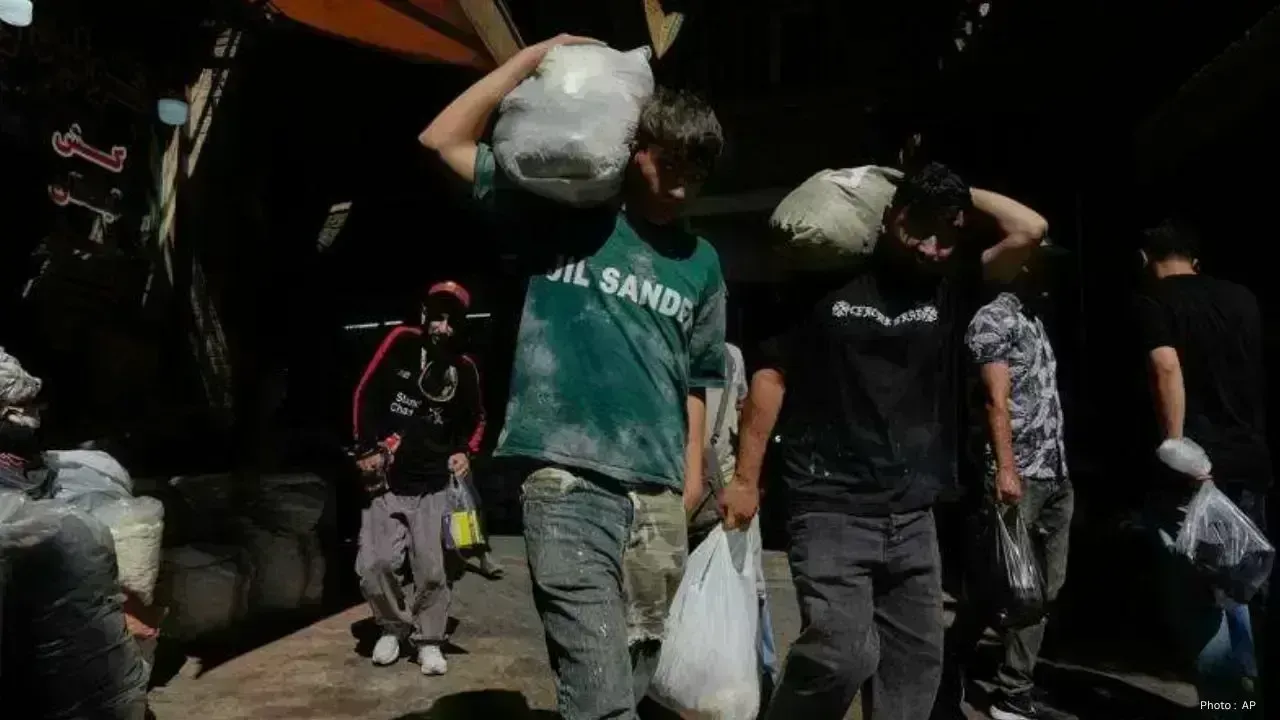
Inflation has emerged as a foremost issue for the Iranian populace. Recent reports suggest that the costs of consumer goods have surged, making essentials harder to attain for millions. Expenses related to transport, healthcare, and daily living have escalated sharply, diminishing purchasing power for numerous families. Analysts caution that prolonged instability may exacerbate existing economic hardships.
The national currency's value has plummeted over the years, complicating the financial landscape further. A devalued currency drives up the cost of imported goods, leading to additional price hikes across various sectors. Companies that rely on imports are facing increased operational costs, and consumers are paying a premium for products tied to global supply chains. This economic distress has stirred public dissatisfaction and heightened concerns about long-term viability.
Amid these economic trials, diplomacy remains at play as efforts are underway to mitigate tensions and seek stability. Talks between Tehran and Washington aim to explore potential agreements that might alleviate pressures and avert escalation. Though some advancement has been observed, significant disagreements persist, continuing to cloud regional economic forecasts.
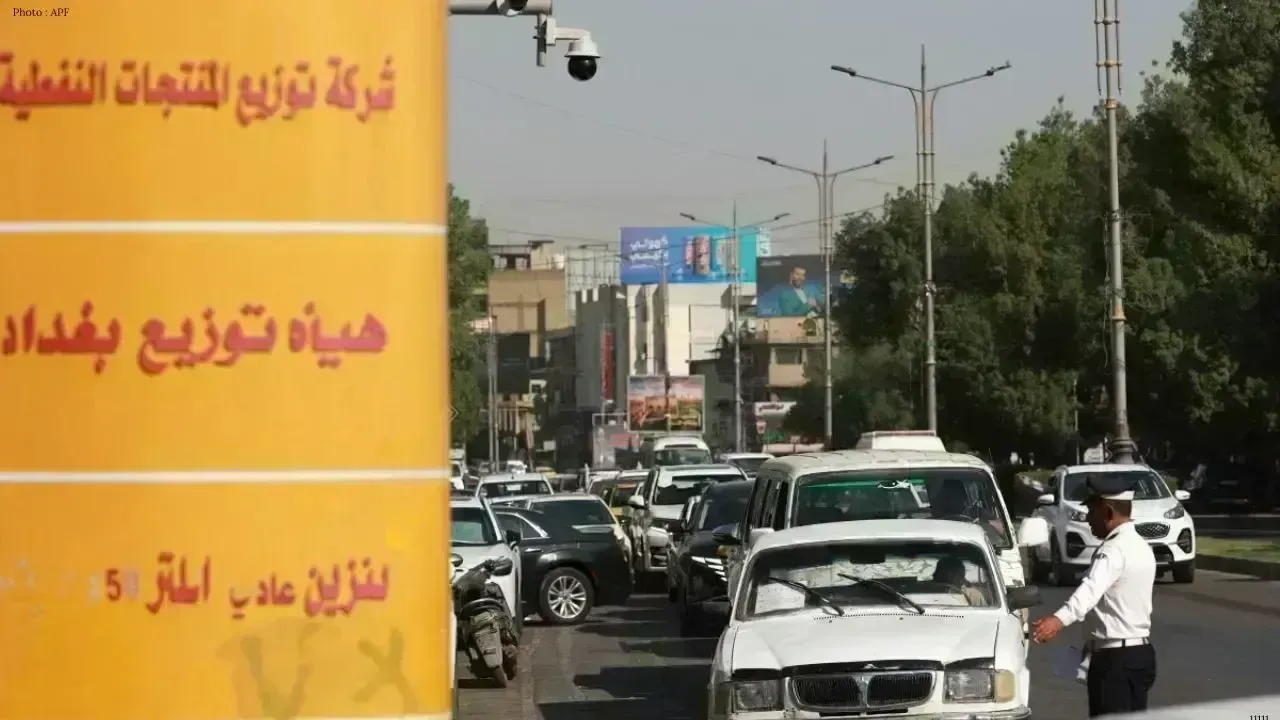
Energy markets are particularly vulnerable to shifts in this region. The Strait of Hormuz, vital for global oil transportation, remains pivotal in international conversations. Disruptions to this maritime passage could ripple through global fuel markets, affecting supply and pricing worldwide, prompting close monitoring from both governments and businesses concerned about growth and inflation repercussions.
Economic impacts resonate beyond Iran’s borders. Rising energy costs have the potential to disrupt transportation, manufacturing, and consumer goods in a multitude of countries. Consequently, developments within Iran resonate with international markets and financial bodies, as investors often respond promptly to geopolitical instability, which leads to increased volatility in global economic conditions.
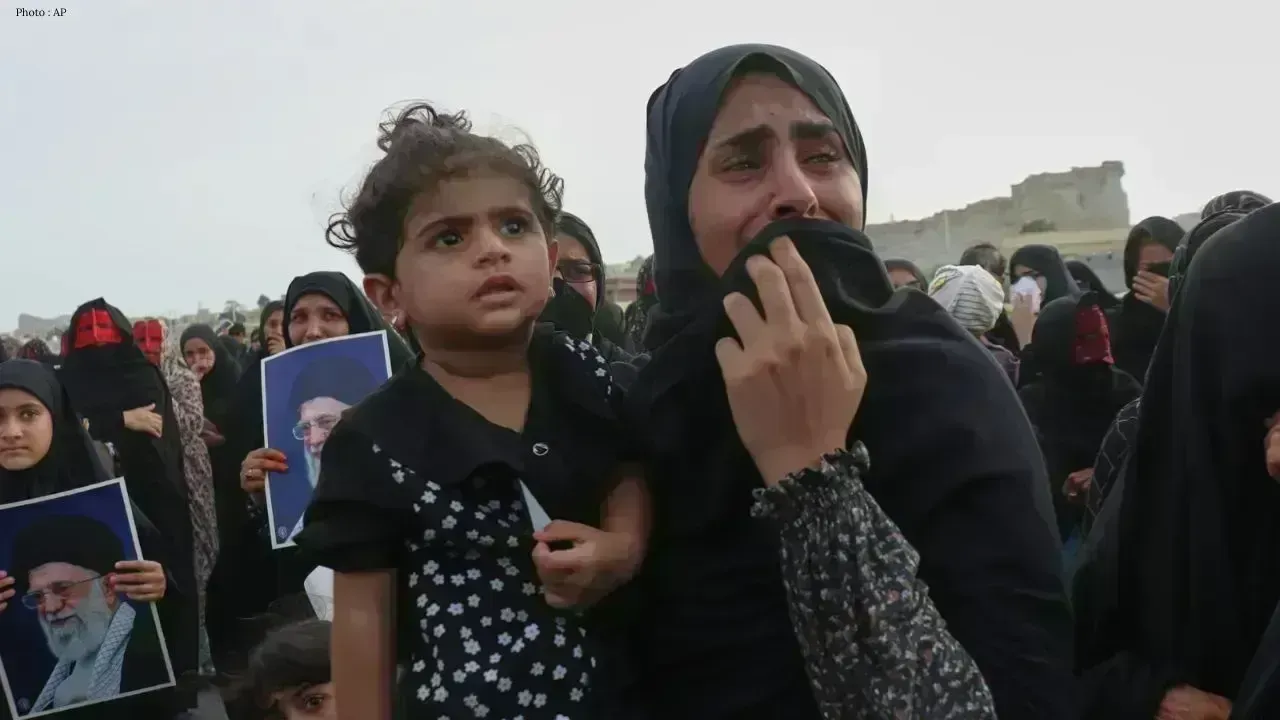
Pressure on the economy is noticeably influencing Iranian public sentiment. Historical instances of high inflation and financial distress have previously spurred protests and public unrest. Maintaining economic steadiness poses a pressing challenge for the government, which aims to reconcile domestic pressures with overarching geopolitical aims.
Various sectors are acutely feeling the impact of the prevailing uncertainty. Businesses find themselves adapting to fluctuating costs, currency values, and market conditions. Investment strategies could face postponement as firms await clearer indicators regarding future economic and political landscapes.
The current predicament in Iran underscores the intricate connection between economics and geopolitics. Financial strains, diplomatic dialogues, and security concerns are all influencing the country's outlook during these tumultuous times. The months ahead will be crucial as leadership navigates these economic hurdles while striving for diplomatic resolutions to tackle the rising cost of living. The trajectory toward stability will largely depend on both internal developments and broader regional dynamics.


 English