Post by : Saif
Al-Najjar
Israel’s strategic relevance in the ongoing tensions with Iran is now under scrutiny as diplomatic interactions between Washington and Tehran attract increasing attention. The evolving political landscape is stirring discussions among regional observers about how prospective agreements could alter security alignments and the stability of the Middle East.
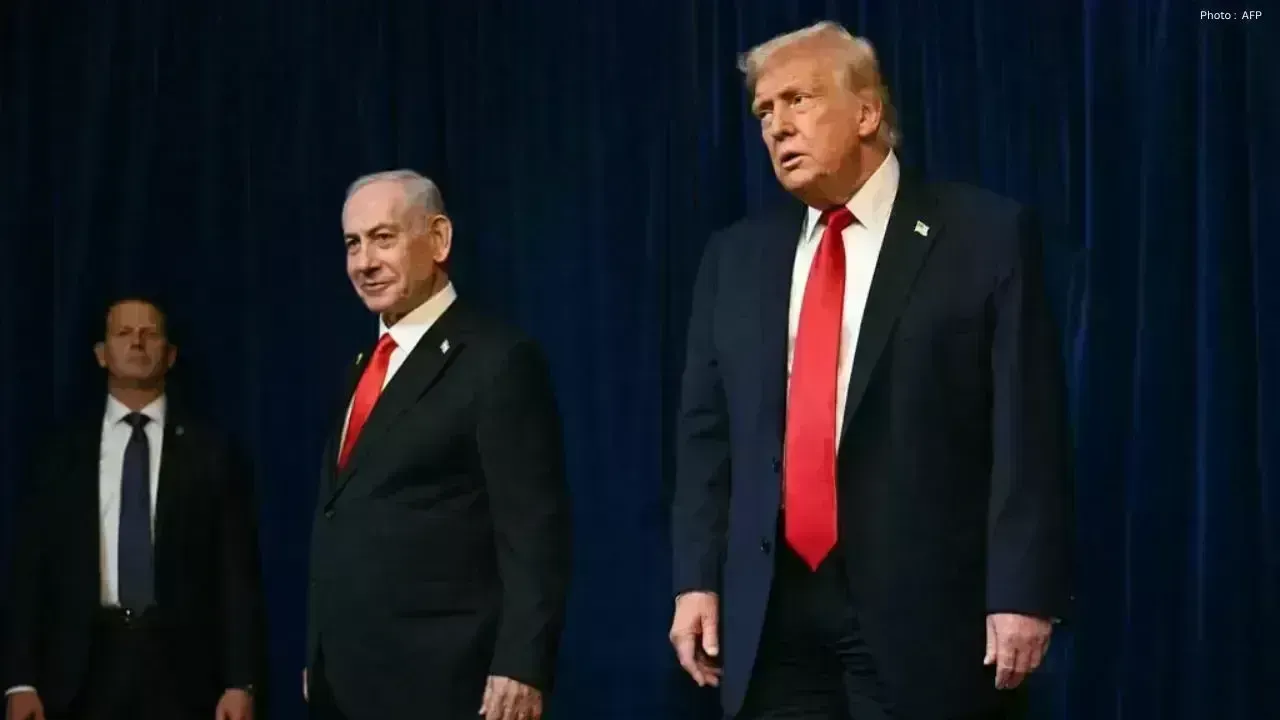
Previously, the United States and Israel showcased strong unity in addressing Iran’s nuclear ambitions and regional presence. Their collaboration encompassed diplomatic strategies, intelligence sharing, and a mutual concern over Tehran’s expanding influence.
However, recent advances in diplomacy have complicated matters. As negotiations between American and Iranian officials proceed, conversations in Israel have ramped up, focusing on how potential deals might impact regional equilibrium and long-term security strategies.
Israeli leaders have consistently identified Iran’s nuclear initiative as a primary national security threat. Officials spanning multiple government terms have made it clear that any accord permitting Tehran to maintain advanced nuclear capabilities could pose future hazards for the region.
Conversely, Washington appears to be shifting its focus toward minimizing the risk of broader military conflict. Proponents of diplomatic dialogue contend that sustained communication could facilitate a more peaceful resolution and avert another significant confrontation in the Middle East.
Political experts suggest that the current landscape underscores the intricacies involved in international alliances, where strategic partners may align on overarching goals but differ significantly in negotiation approaches and diplomatic focuses.
The discussions surrounding sanctions, uranium enrichment, and security assurances have attracted notable attention within Israeli political forums. Opposition figures, security analysts, and commentators are fervently debating how to respond should diplomatic advancements between Washington and Tehran quicken.
Meanwhile, Iranian officials maintain that their nuclear endeavors are aimed at peaceful uses linked to energy generation, scientific research, and civilian advancement. Nonetheless, Western governments continue to express caution concerning enrichment levels, oversight methods, and ongoing compliance standards.
Numerous regional governments are also keeping a close watch on the negotiations, as the result could have ramifications for defense collaborations, economic synergies, and political affiliations throughout the Middle East. Gulf nations, energy sectors, and international investors remain keenly sensitive to developments from these discussions.
This latest wave of diplomacy comes after years marked by confrontation, sanctions, disputes, regional rivalries, and military incidents involving various players in the Middle East. Previous attempts to foster mutual understanding have repeatedly faltered due to political strife, distrust, and conflicting strategic ambitions.
Within Israel, the political discourse is intensifying, with diverse factions contemplating how best to secure national interests during this time of evolving regional diplomacy. Some advocates promote stronger independent measures, while others endorse continued close alignment with Washington, despite differences over negotiation strategies.
Security experts recognize that any future deal involving Tehran could significantly realign military planning, alliance frameworks, and geopolitical calculus throughout the region. Shifts in diplomatic relations might also influence future partnerships between regional actors on matters connected to defense, trade, and energy security.
Moreover, economic factors are taking center stage in broader discussions. A decrease in tension could spur investment, stabilize shipping routes, and boost confidence in energy markets, whereas prolonged uncertainty risks hindering global economic conditions.
The rapidly evolving scenario highlights how swiftly political dynamics can shift in the Middle East. Diplomatic engagements, once deemed implausible, are now shaping strategic dialogues across the region and compelling governments to rethink future policy directions.
The future of these negotiations and their capacity to yield a lasting agreement remains unclear. Yet, the latest developments have undeniably heightened global interest in regional security diplomacy and the altering power balance tied to relations among Washington, Tehran, and Jerusalem.


 English