Post by : Saif
Al-Najjar
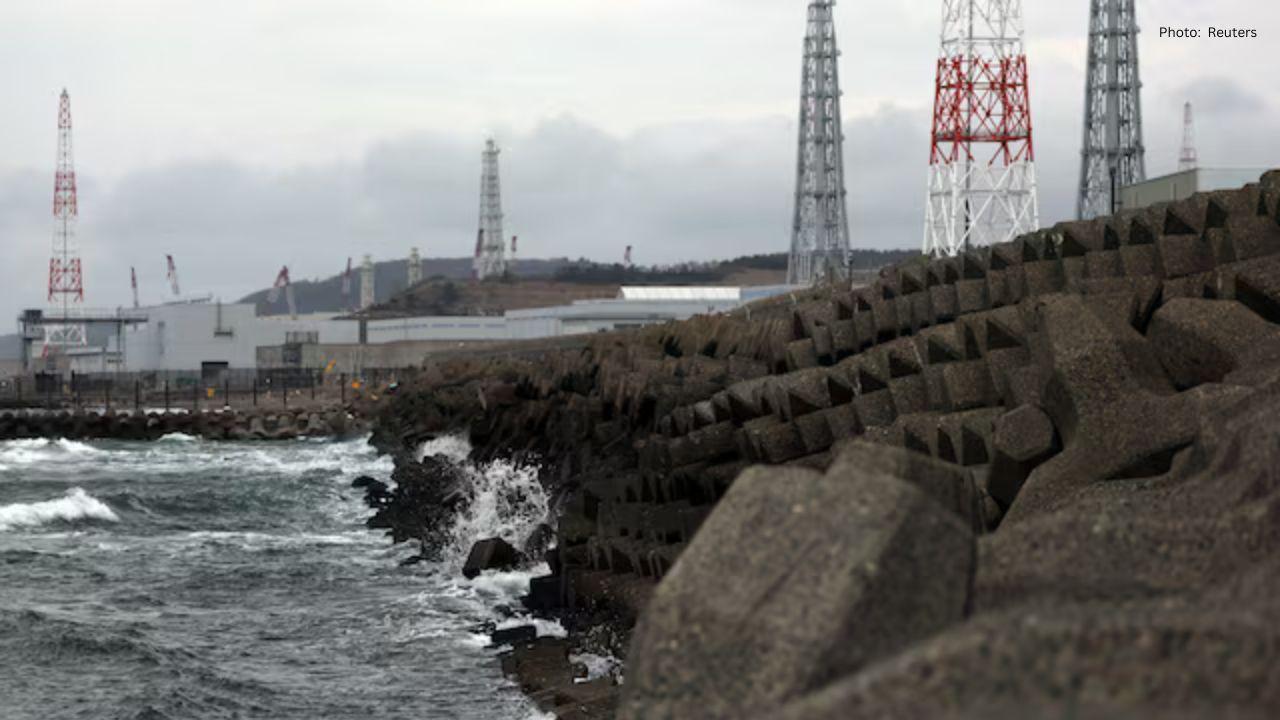
Japan is gearing up to partially restart the world’s largest nuclear power plant, a pivotal step in the nation's energy strategy more than ten years following the Fukushima catastrophe. Tokyo Electric Power Company (TEPCO) revealed plans to bring the first unit of the Kashiwazaki-Kariwa facility back online on January 20.
Located in Niigata prefecture approximately 220 kilometers northwest of Tokyo, the Kashiwazaki-Kariwa plant has a total capacity of 8.2 gigawatts, sufficient to power millions of households. The planned restart will reactivate one reactor with a 1.36-gigawatt capacity, with another expected to resumed operation around 2030.
The Niigata prefectural assembly granted approval for this partial restart just earlier this week. This will mark TEPCO's first nuclear reactor restart since the Fukushima Daiichi disaster in 2011, triggered by an earthquake and tsunami that led to a meltdown and a complete shutdown of most nuclear facilities in Japan.
TEPCO President Tomoaki Kobayakawa emphasized the company’s awareness of its duties in the post-Fukushima era, affirming that safety remains paramount. He highlighted that lessons learned from the past will shape every aspect of the restart, with strict safety measures in place.
Following the 2011 incident, Japan halted all 54 operational nuclear reactors. As of now, only 14 of the 33 reactors still recognized as operable have resumed operations. Consequently, Japan has heavily depended on imported fossil fuels to fulfill its energy requirements, leading to elevated costs and greater carbon emissions.
In recent years, the government has been advocating for a return of nuclear power to its energy mix. In November, a public loan system was proposed to bolster nuclear energy and the government has set goals to increase nuclear power's contribution to electricity supply. The restart of the Kashiwazaki-Kariwa plant is viewed as a crucial milestone towards this objective.
TEPCO has mentioned that it might permanently decommission some of the remaining five reactors at the plant based on future safety evaluations and energy demand. Public sentiment regarding nuclear energy is mixed in Japan, with many citizens still voicing strong safety concerns.
The anticipated restart of the facility represents a deliberate yet unmistakable shift in Japan’s energy policy. As the nation aims to ensure stable energy supplies and lessen reliance on imported fuels, the Kashiwazaki-Kariwa plant is positioned to significantly influence Japan's energy trajectory.


 English