Post by : Saif
Al-Najjar
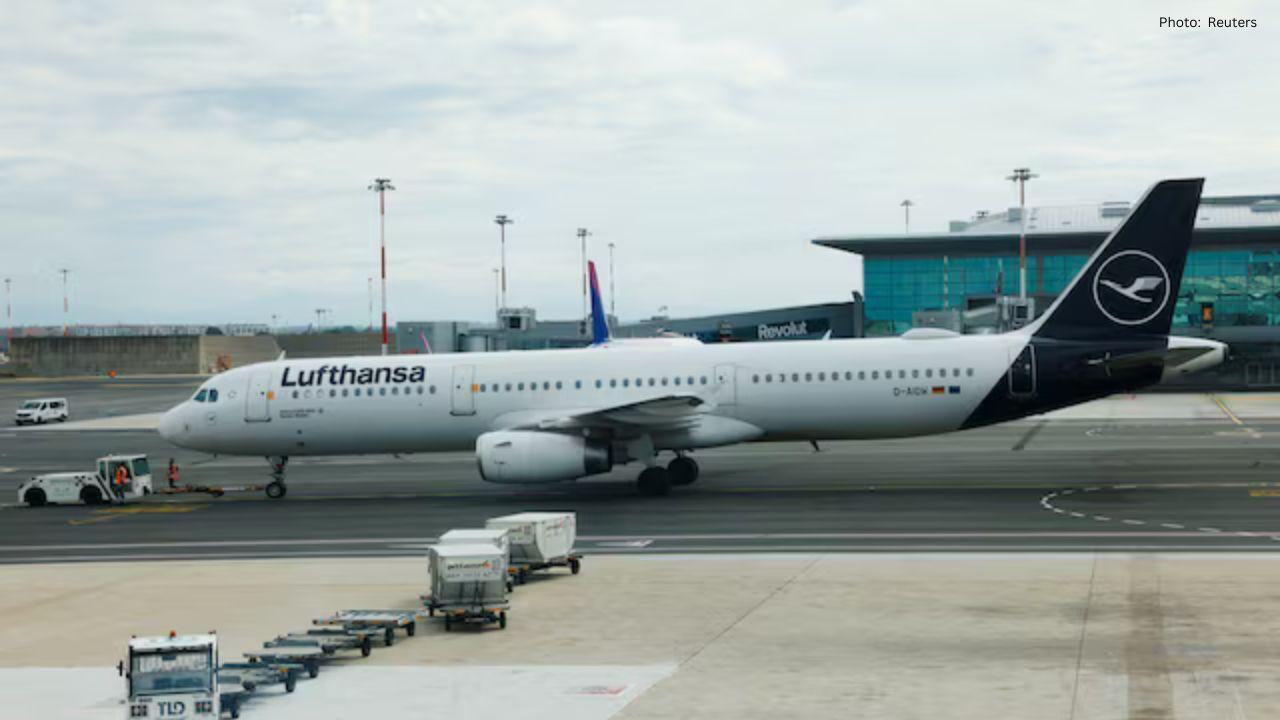
Lufthansa, the biggest airline group in Germany, is striving to win back investor confidence after a prolonged period of subpar performance. With plans for what it calls a robust turnaround beginning in 2026, many in the investment community remain apprehensive as the airline hasn't kept pace with its European peers.
Since 2014, CEO Carsten Spohr has led the company through tumultuous times, witnessing a 33% decline in share prices over his tenure. A brief spike in growth in 2017 was followed by severe setbacks due to the COVID-19 pandemic, which the airline has yet to fully recover from, contrasting sharply with other leading European carriers.
For long-term stakeholders, the outcomes have been discouraging. Those who invested when Spohr took charge are still experiencing losses, earnings from dividends notwithstanding. This unsatisfying trajectory has left Lufthansa trailing rivals like IAG, owner of British Airways, and Air France-KLM.
Recently, shares of Lufthansa have seen a rise of about 26%, indicating some progress. Yet, this increase is still lower than what competitors have achieved, highlighting Lufthansa's persistent difficulties.
Investors are particularly concerned about the airline's elevated operating costs and ongoing labor disputes, which have negatively impacted profit margins. Last year, the company experienced a significant drop in its operating margin, which remains under par compared to its main rivals. Analysts predict only slight improvement in the foreseeable future.
To counter these challenges, Lufthansa has initiated cost-cutting measures, planning to reduce its administrative workforce by approximately 4,000 positions over the next five years and phase out older aircraft to boost efficiency. The airline seeks to hit an operating margin of 8% to 10% by decade's end. While these initiatives seem promising, investors are eager for demonstrable progress.
The airline’s intricate structure also contributes to its difficulties. Managing multiple airline brands along with six major European hubs—including Italy's ITA Airways and budget competitor Eurowings—complicates cost control and overall management.
External pressures are compounding the situation; dwindling demand for transatlantic flights is affecting one of Lufthansa's essential markets. Additionally, delays in aircraft deliveries and tough negotiations with labor unions could impede the airline's recovery efforts.
Lufthansa’s leadership asserts that the company is on a path toward improvement, though investor confidence remains tenuous. After numerous setbacks, stakeholders are awaiting tangible and sustained advancement. The forthcoming years will be pivotal in determining if Lufthansa can finally match its European competitors or continue to lag behind.


 English