Post by : Saif
Al-Najjar
The capital of Somalia, Mogadishu, marked a monumental occasion on Thursday as citizens participated in local elections. This landmark event is regarded as a significant advancement toward achieving universal suffrage in a country that hasn't experienced direct national voting in over five decades.
The last direct national elections in Somalia were held in 1969, prior to a military takeover by General Mohamed Siad Barre. Following the collapse of his regime in 1991, Somalia was engulfed in a protracted civil war. To mitigate conflict among influential clans, the nation adopted an indirect voting system in 2004, wherein clan elders appointed lawmakers to select the president and other leaders.
Many have long expressed dissatisfaction with this indirect voting mechanism, arguing it alienates citizens from the decision-making process and facilitates corruption. The recent elections in Mogadishu mark a departure from that, enabling local residents to directly elect their representatives for the first time in years.
Approximately 1,605 candidates vied for 390 council seats throughout the city, with the elected members set to choose Mogadishu's mayor. Election officials describe this event as a trial run for direct national elections slated for 2026.
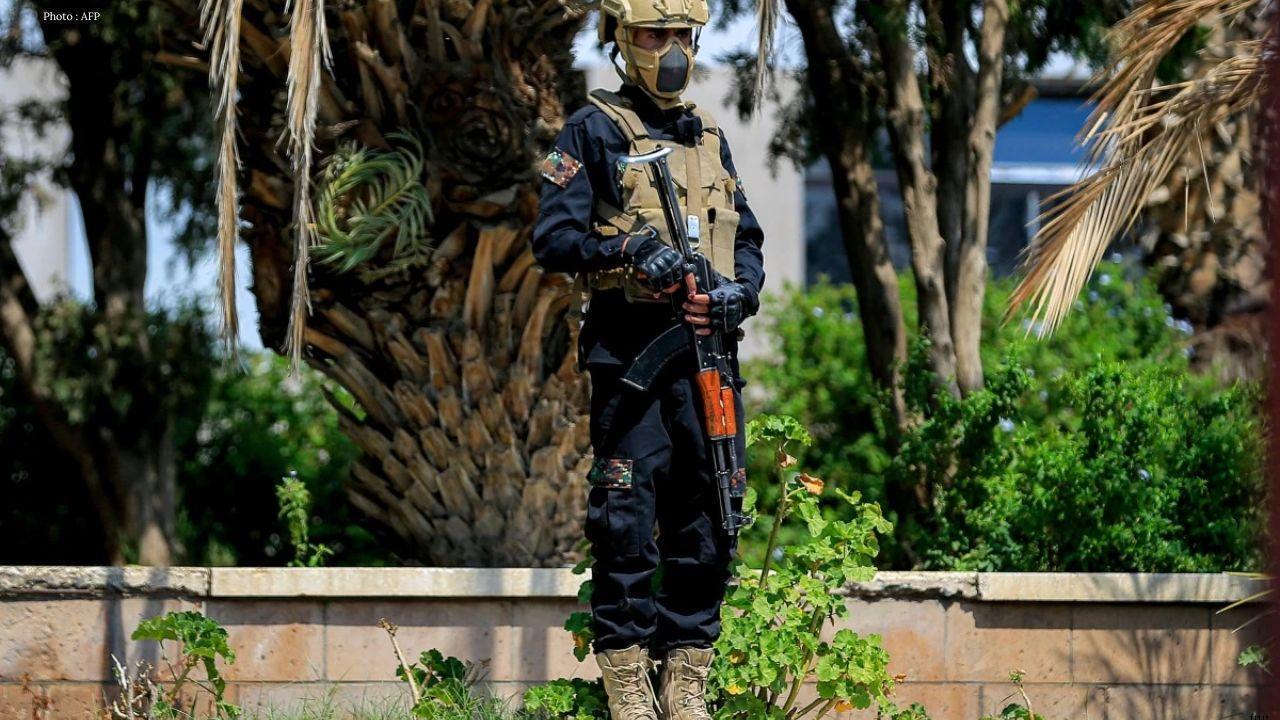
Security measures were robust across the city, with roads, businesses, the airport, and the port closed for the election day. Around 10,000 security officers were assigned to safeguard polling places. Despite ongoing risks posed by the al Qaeda-linked group al Shabaab, voter turnout remained strong, with lines forming early in the day.
For many, this voting day was emotionally significant. Some older citizens, voting for the first time, expressed feelings of pride and optimism. Many viewed the elections as evidence of Somalia's gradual progression after years of turmoil.
The 2024 legislation restoring universal suffrage coincides with federal elections anticipated next year. However, there are still political disputes. President Hassan Sheikh Mohamud has concurred with certain opposition figures that while lawmakers will be directly elected in 2026, the presidential selection will remain a parliamentary decision. Detractors argue that these rapid transformations may benefit entrenched powers.
Concerns from opposition parties about security persist, particularly given that al Shabaab administers considerable rural territories and continues targeting urban areas. They question the nation’s readiness for comprehensive voting.
Nonetheless, the Mogadishu elections are largely viewed as a promising development, showcasing a public aspiration for a more active role in shaping Somalia’s future.


 English