Post by : Anis
Al-Rashid
Celebrating National Youth Day: Significance and Impact
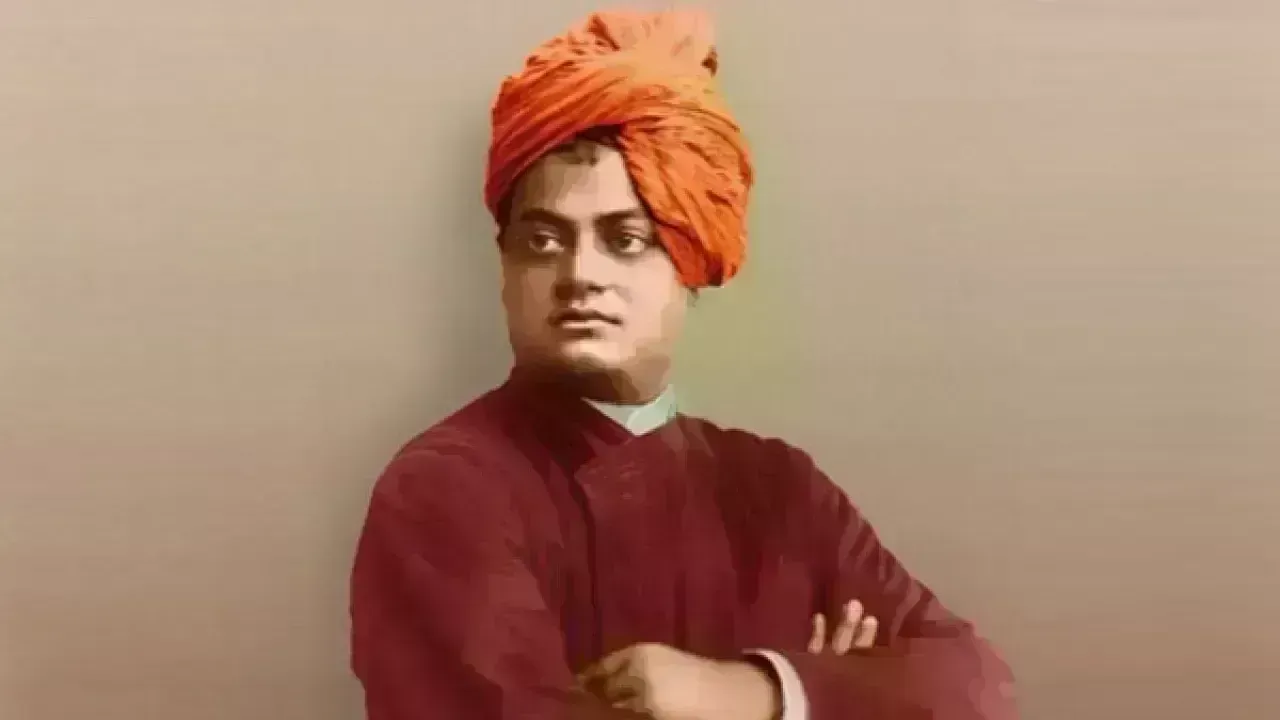
National Youth Day is celebrated annually on January 12 in India, commemorating the birth of Swami Vivekananda, a pivotal figure in Indian spirituality and philosophy. Established in 1984, the first celebration occurred in 1985, and now it serves as a national movement aimed at inspiring young individuals toward active participation in nation-building.
The essence of National Youth Day is the belief that a nation's success is directly related to its commitment to its youth. With over 50% of India’s population under 35, this day carries significant weight. It's not merely about ceremonial events; rather, it's a call for self-improvement, responsibility, and societal contribution.
The Importance of January 12
January 12 is special as it marks the birth of Swami Vivekananda in 1863. His enduring teachings emphasize personal growth and collective progress, focusing on strength, character, and confidence as essential for a thriving nation. Choosing his birthday for this observance aligns the celebration of youth with his ideals of service and fearlessness.
Vivekananda's philosophy advocates for societal engagement, urging young minds to embrace responsibility rather than withdrawal. This makes January 12 a pivotal day for young Indians confronted with contemporary challenges.
A Day for Reflection and Action
Different from many symbolic observances, National Youth Day is rooted in intellectual discourse. It encourages young people to contemplate purpose, morality, resilience, and leadership, establishing its relevance as more than just a celebration.
Vivekananda’s Inspirational Message
Vivekananda's call to youth was uncompromising; he stressed the need to be strong in mind and body. His focus on character development over mere knowledge remains vital in today's achievement-oriented society.
Emphasizing Inner Strength
A leading theme of National Youth Day is the importance of inner resilience. Vivekananda emphasized virtues like courage and self-control. He viewed education as not merely a means to gain degrees, but as a way to build the resolve to face adversity ethically.
In a modern context, this philosophy inspires youth to prioritize long-term development over quick success, acknowledging that challenges pave the way for growth.
Transformative Education
Vivekananda regarded education as a tool to unlock inherent potential. This perspective aligns with today's discourse around skills, critical thinking, and emotional intelligence. National Youth Day prompts reflections on the essence of meaningful education in today’s world.
Observances Across India
On January 12, institutions, youth groups, and communities host various activities, including seminars, cultural events, and social initiatives. Regardless of the format, the common goal is to inspire youth to contribute positively to society.
The Role of Educational Institutions
Schools and colleges are key players in National Youth Day celebrations, often organizing special assemblies, essay contests, and discussions focusing on leadership. These initiatives aim to introduce students to Swami Vivekananda's life and inspire self-reflection.
Moreover, these observances offer a platform for students to voice their thoughts on social issues, innovation, and national advancement, underscoring that youth engagement is essential.
Community Involvement
Beyond academic settings, many organizations use National Youth Day as a chance to serve the community. Activities like blood donation drives, cleanliness campaigns, and tree planting initiatives reflect how patriotism and social responsibility manifest in everyday actions.
Relevance in the Modern Era
In a time of rapid technological advancement and societal pressure, the themes highlighted during National Youth Day are increasingly pertinent. Today's youth encounter a complex landscape filled with career competition and mental health challenges, and the principles celebrated on January 12 provide guidance.
Balancing Ambition with Integrity
While fostering ambition is vital, National Youth Day reminds young people that success must also come with ethical principles. Vivekananda’s teachings emphasize that a strong moral foundation gives genuine significance to achievement.
This balance becomes particularly important in professional environments where the repercussions of decisions can impact society at large.
Mental Resilience in Today’s High-Stress Environment
The focus on inner strength resonates in conversations about mental health. National Youth Day encourages young people to build self-awareness and discipline as coping tools for stress, promoting a narrative that values internal validation over external approval.
Young Leaders Driving Change
A key takeaway from National Youth Day is recognizing that today’s youth are not just future leaders; they are impactful leaders of today. Historical evidence shows that youth often spearhead social, technological, and cultural revolutions.
Innovative Responsibility
Young minds tend to innovate, and when combined with a sense of responsibility, they can effectively tackle urgent issues like climate change and inequality. National Youth Day reinforces that creativity must be matched with care for the community.
By showcasing inspiring stories, the day motivates youth to leverage their talents for communal betterment rather than solely personal success.
Encouraging Democratic Engagement
Civic engagement is another critical focus. An engaged youth cohort strengthens democracy, and National Youth Day reminds us of the importance of awareness, critical reasoning, and participation, whether via dialogue, volunteering, or responsible online engagement.
Universal Lessons from a National Commemoration
While National Youth Day is rooted in India, its message resonates globally. Vivekananda’s teachings emphasized universal values such as unity and respect, principles pertinent in today's interconnected world.
Thoughts Beyond Borders
Challenges like job scarcity and environmental concerns transcend national borders. Although National Youth Day is an Indian event, it amplifies a global call for youth empowerment and ethical leadership.
Cultural Integrity in a Global Context
This day promotes cultural confidence by reminding young Indians that they can embrace progress without losing sight of their roots, a key balance in a globalized environment.
Looking Ahead: The Legacy of National Youth Day
The essence of National Youth Day extends beyond the day of celebration itself. Its true impact unfolds on January 13 and thereafter, challenging youth to set goals, maintain discipline, and uphold social consciousness throughout the year.
Turning Inspiration into Action
Inspiration must be followed by action. The true spirit of National Youth Day comes to life when young individuals implement these principles in their daily activities, strive for excellence, serve their communities, and advocate for justice.
A Purposeful Future
As India progresses, the youth's role will remain pivotal. National Youth Day is a guideline for a future based on confidence, compassion, and purpose.
Final Thoughts: January 12 as a Continuous Reminder
National Youth Day on January 12 serves as a constant reminder of the potential of young minds led by strong principles. Motivated by Swami Vivekananda’s enduring vision, the day calls for strength with humility, ambition accompanied by ethics, and knowledge paired with service.
This observance is not solely about celebrating youth; it celebrates what youth can achieve when purpose meets action. In this way, National Youth Day is more than a date; it is a philosophy meant to be embraced daily.
Disclaimer:
This article aims to inform and educate regarding historical facts and widely accepted views concerning National Youth Day. It does not intend to represent any official stance or institutional perspective.


 English