Post by : Saif
Al-Najjar
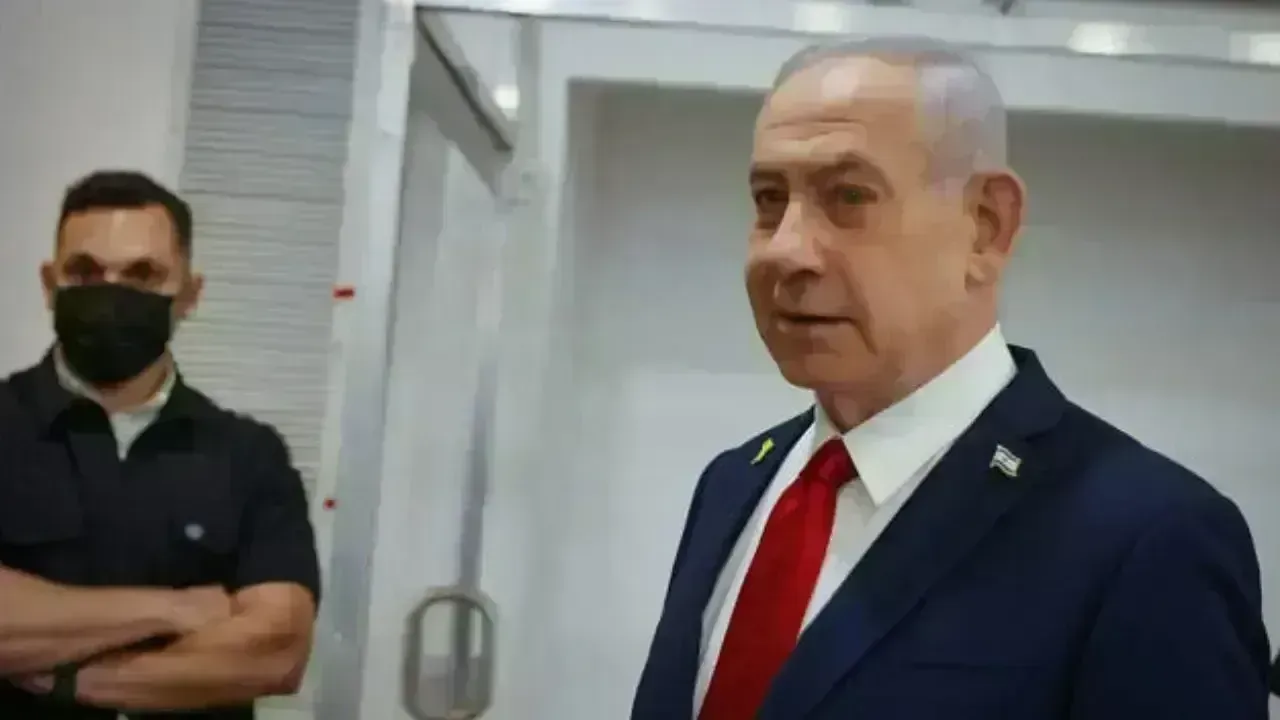
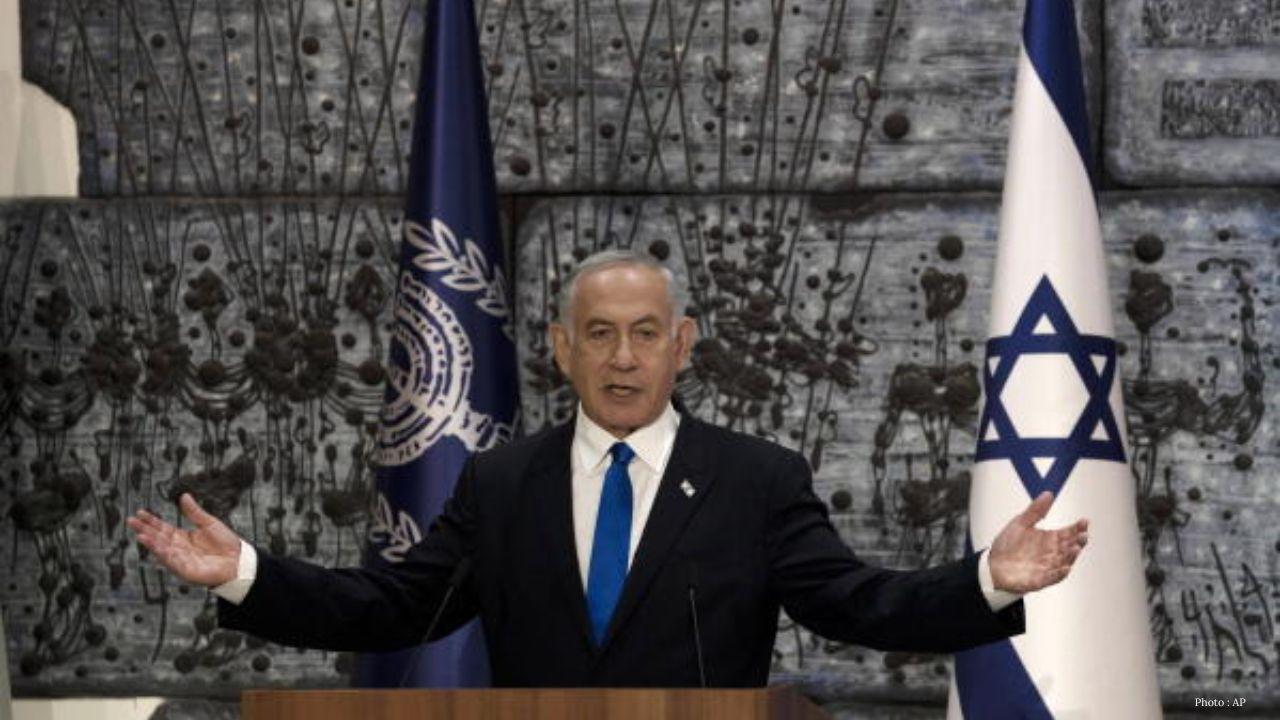
The latest hearing for Benjamin Netanyahu's corruption trial has been canceled at the last minute due to a late-night message from his defense attorney, Amit Hadad. This last-minute decision adds yet another delay to a case that has been ongoing since 2020.
Court officials confirmed that the session “will not take place” after receiving a notification overnight. The sudden turn of events took many by surprise, as the hearing was scheduled to take place just hours after the notification.
This cancellation marks yet another in a series of delays that have characterized Netanyahu's prolonged legal battle, which is now one of the longest-running cases in Israel's judicial history, rife with interruptions, legal maneuvers, and political tensions.
Netanyahu faces serious allegations including fraud and bribery, which he vehemently denies, claiming the proceedings to be politically motivated. His ongoing premiership, amidst these serious charges, adds a unique layer to this historic legal challenge.
The recent cancellation raises concerns about the effectiveness of justice, especially in politically charged scenarios. Many argue that delays erode public confidence in legal processes, emphasizing the need for timely judicial resolutions regardless of one’s political standing.
Supporters of Netanyahu argue that given the responsibilities he holds and the ongoing security issues in the region, these delays are warranted. As tensions mount regionally, the demands on Netanyahu’s office complicate his ongoing legal issues.
However, these repeated delays have led to growing frustration among legal experts and political opponents. They assert that the trial should progress without unnecessary hiccups to uphold democratic values.
The implications of this case stretch beyond Netanyahu himself, serving as a crucial test of whether laws apply uniformly to all citizens, including those at the helm of power. The outcomes could shape public perception of governance and legal integrity.
Moreover, this scenario underscores the delicate balancing act between governmental duties and legal accountability. Netanyahu’s dual role as sitting prime minister and defendant complicates an already intricate situation that lacks simple resolutions.
This latest postponement shines a light on a more extensive issue within legal frameworks. It is essential for judicial systems to manage high-profile cases without succumbing to political influences. While some delays may be justifiable, recurring postponements risk miscommunication to the populace.
The fact that the trial continues without resolution raises questions about what lies ahead. Each delay only heightens the anxiety surrounding a conclusive outcome.
Moving forward, the emphasis will remain on the capability of the legal system to operate impartially and efficiently amid unfolding events. Observers will be keen to determine not just the verdict regarding Netanyahu but also the resilience of democratic institutions in navigating such high-stakes cases.


 English