Post by : Saif
Al-Najjar
Oil prices have surged past the $103 mark following the United States' announcement of a naval blockade against Iran, stirring fears over global economic health and energy supplies. Brent crude, a significant benchmark for global oil, has seen a swift increase in value, reflecting heightened market anxiety.
This price surge comes in the wake of failed peace negotiations between the two nations, leading to strained relations in an already volatile Middle East, a vital oil-producing area. Swift market reactions are typical during geopolitical tensions, as traders anticipate potential disruptions in supply.
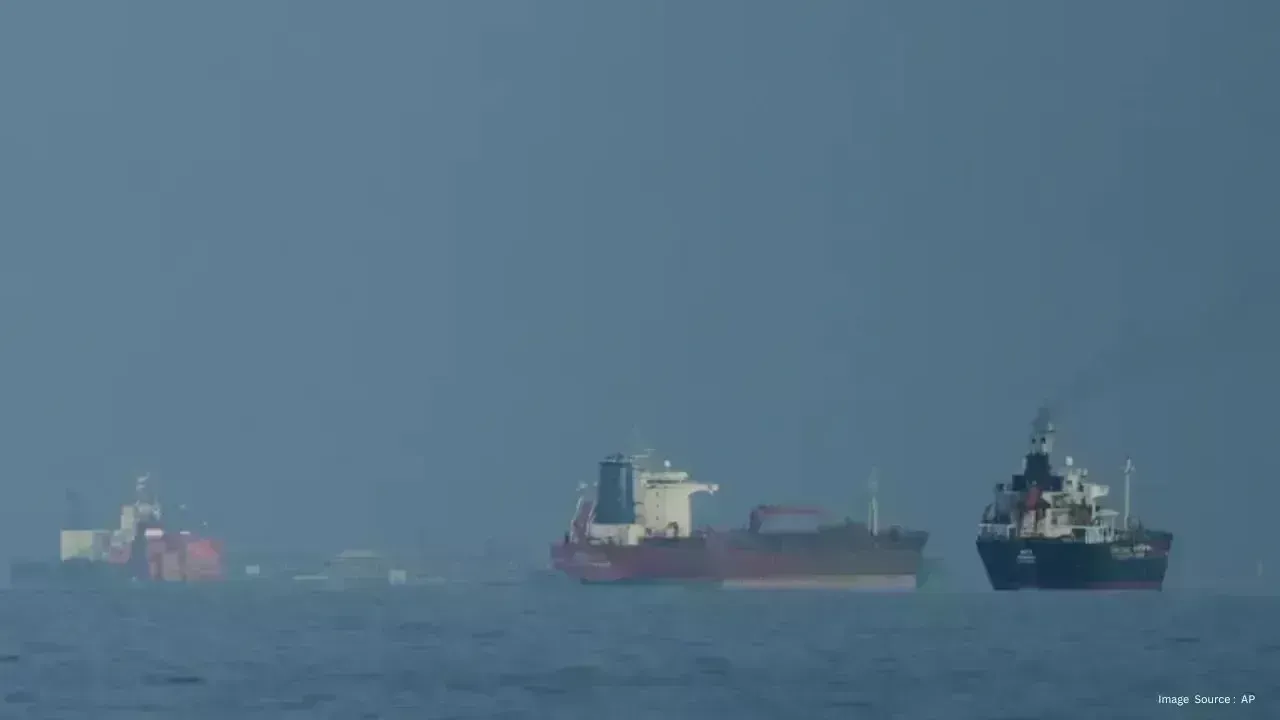
The Strait of Hormuz, a critical artery for oil transport, has found itself at the heart of this crisis. Responsible for approximately 20% of worldwide oil passages, any threats to its security send ripples through global markets, affecting energy flow to various regions including Asia and Europe.
The US blockade aims to curtail maritime activities linked to Iranian ports, potentially limiting oil availability globally. Industry analysts caution that this could result in millions of barrels disappearing from supply chains, leading to acute shortages and spiking prices.
This economic upheaval isn’t a sudden event; it’s part of a longer pattern of escalating tensions. Following a frail ceasefire, the breakdown in talks has reignited hostilities, with the blockade decision amplifying existing strains.
Global markets are already feeling the repercussions, with stock indexes dropping and currencies weakening over inflation fears. Nations such as India, heavily reliant on oil imports, face greater challenges, as the Indian rupee flounders under the pressure of rising prices.
Increased oil costs often translate to higher transportation and utility prices, fueling inflation and straining everyday living expenses. Governments will find it difficult to manage fuel costs, which might stir public unrest.
The possibility of further escalation looms as Iran vows to retaliate against the blockade. Military responses could further jeopardize oil supplies and exacerbate price hikes. There are genuine concerns among analysts that prolonged conflict could spiral into a broader energy crisis.
As the global economy continues its recovery from previous disruptions, this newfound tension adds another layer of complexity. Central banks might be compelled to maintain elevated interest rates to combat inflation, potentially hindering economic progress.
Energy specialists characterize these developments as significant risks to global energy security. Given the Middle East’s key role in oil supplies, conflicts in this area reverberate worldwide.
This situation underscores the urgency for nations to diversify their energy portfolios and invest in renewable options. Alternatives such as solar and wind energy could become crucial as countries seek reliable and sustainable energy resources.
The US's decision raises critical geopolitical issues; while some interpret the blockade as a stern warning to Iran, others caution that it may only serve to heighten tensions and provoke further conflict. The global community remains vigilant, eagerly anticipating a peaceful resolution.
The upcoming days are pivotal; escalating tensions could lead to even higher oil prices, affecting economies across the globe. Conversely, if diplomatic efforts regain momentum, markets might find some equilibrium.
This sharp hike in oil prices highlights the interconnectedness of global markets with political developments, illustrating how localized decisions can profoundly influence lives worldwide.
As uncertainty looms, the resolution of this crisis will undoubtedly impact the future landscape of global energy and economic stability.


 English