Post by : Shweta
Oman Postpones Iran-Gulf Talks Over Strait of Hormuz
Oman has announced the postponement of a planned regional meeting involving Iran and Gulf states over the Strait of Hormuz. The meeting was delayed in the “interests of consensus”, according to Oman, as regional tensions remain high and the strategic waterway continues to face security and navigation concerns.
Oman Confirms Talks Have Been Delayed
The planned meeting was expected to bring together regional representatives to discuss issues surrounding the Strait of Hormuz and broader regional stability. Omani officials said the talks were postponed to allow greater consensus among the countries involved.The decision comes as Iran and Gulf countries continue to face complex security and diplomatic challenges linked to the strategically important waterway.
Read more : Iran-Oman Talks Delayed as Gulf Consensus Sought
Tehran and Muscat Agree on Postponement
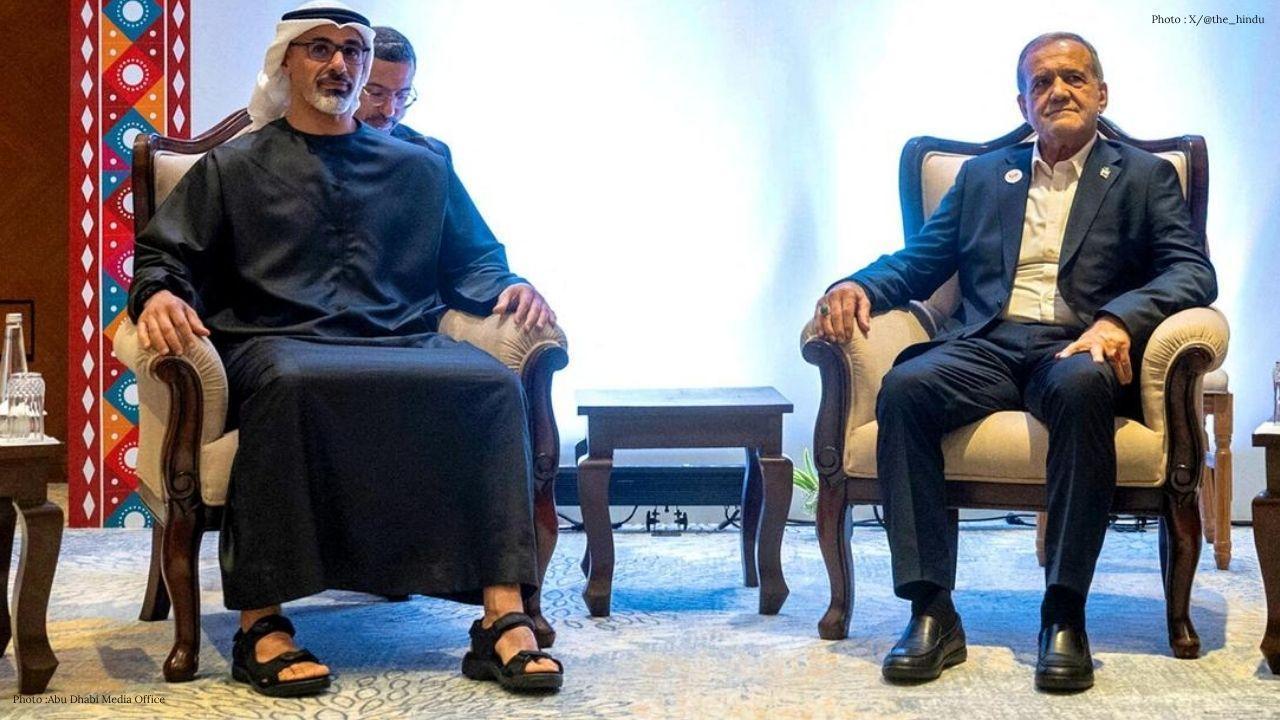
An Iranian Foreign Ministry official said the postponement followed a request from certain regional countries. According to Iranian media, Tehran and Muscat made the decision jointly.The announcement indicates that both Iran and Oman remain in contact despite differences among regional states over how the Strait of Hormuz should be managed and how maritime security should be maintained.
Why the Strait of Hormuz Matters
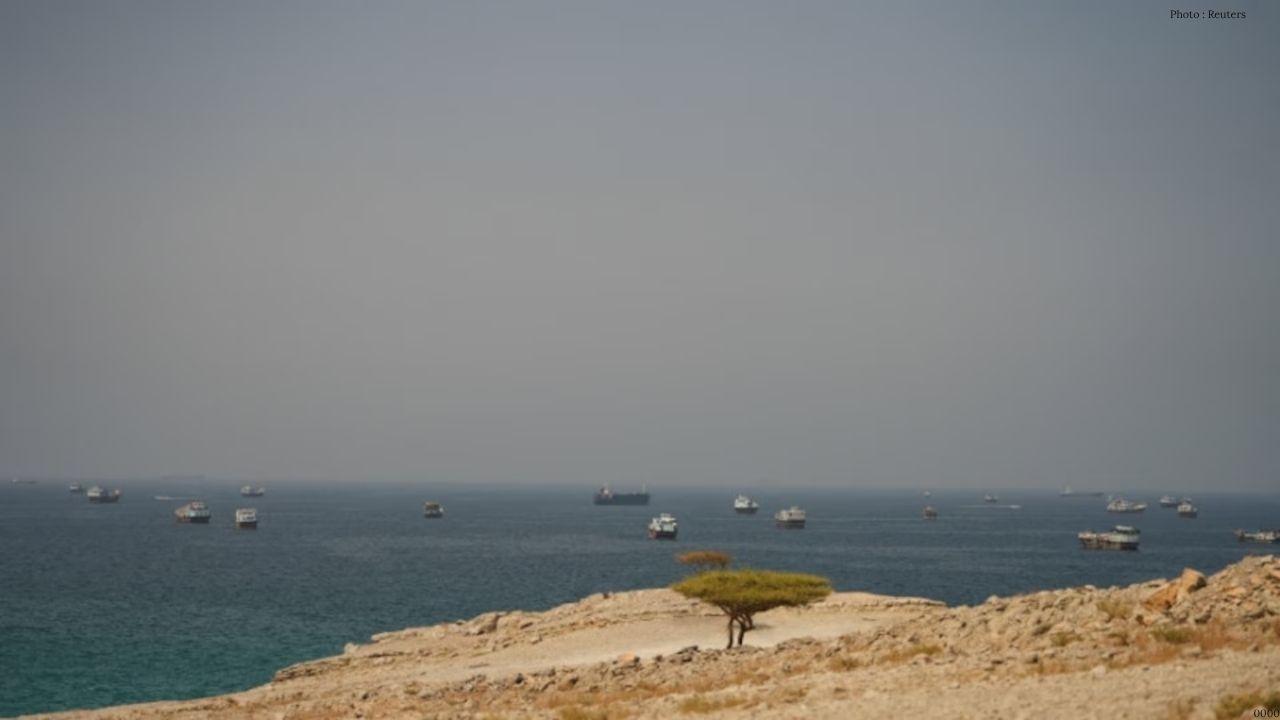
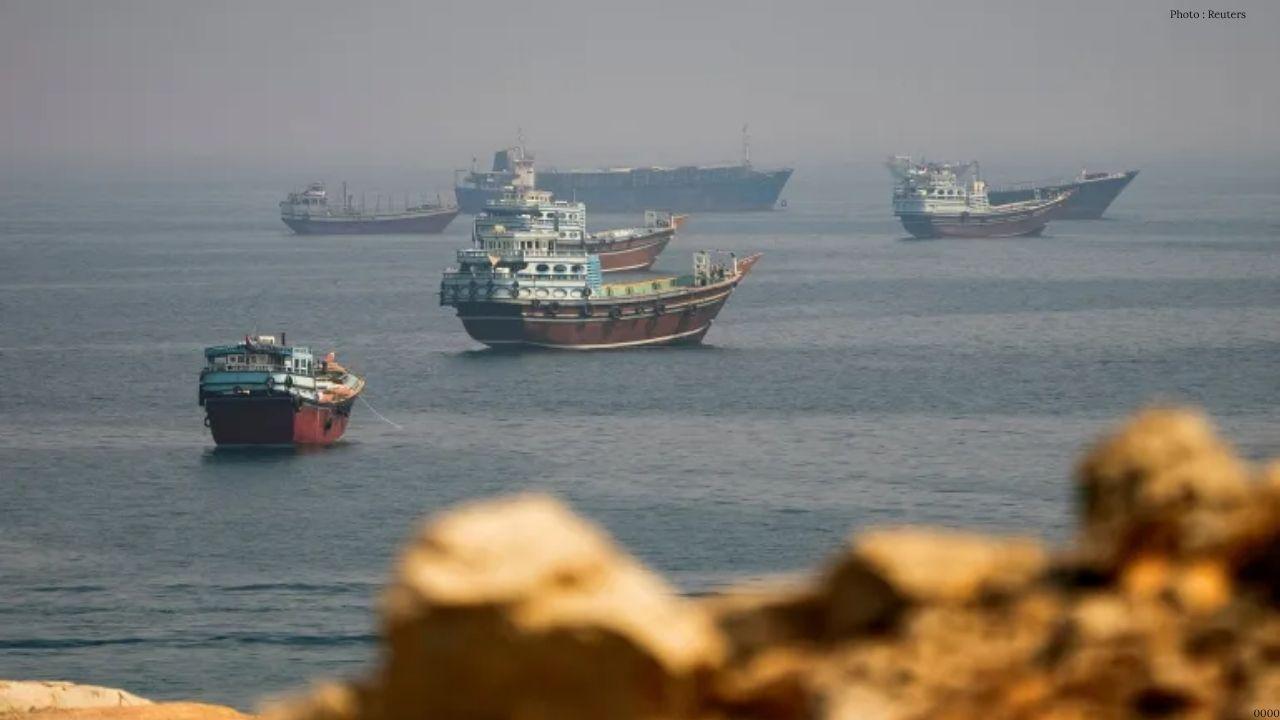
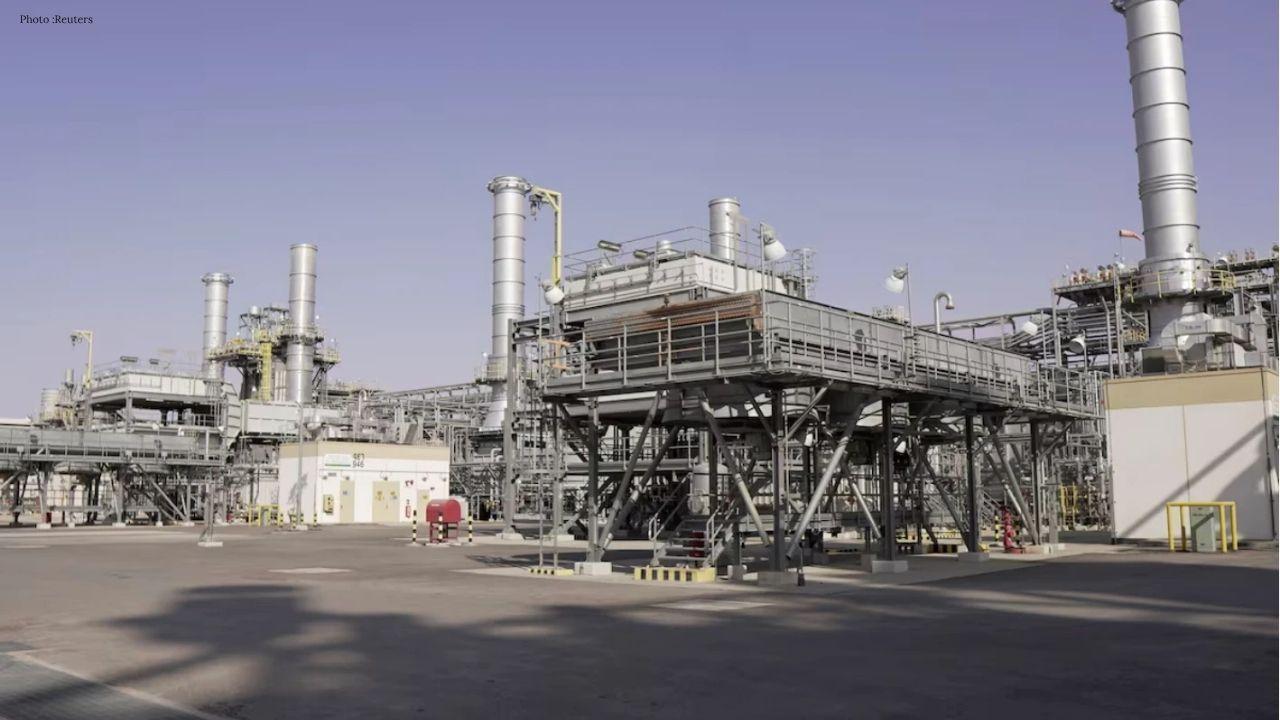
The Strait of Hormuz is one of the world's most important shipping routes and a major corridor for global energy supplies. Large volumes of oil and liquefied natural gas move through the waterway from Gulf producers to international markets.Any prolonged disruption in the strait could affect shipping operations, energy prices and global trade. As a result, developments involving Iran, Oman and the Gulf states are being closely monitored by international markets.
Oman Remains a Key Diplomatic Mediator
Oman has long maintained close communication with Iran and has frequently played a mediation role in regional and international disputes. Its geographic position also gives Muscat a direct interest in maintaining stability around the Strait of Hormuz.By supporting dialogue between regional countries, Oman has sought to reduce tensions and promote practical arrangements for maritime security and regional cooperation.
Regional Consensus Remains a Challenge
The postponement highlights the difficulty of reaching a common position among countries affected by developments around the Strait of Hormuz. Iran considers the waterway a major source of strategic leverage, while Gulf states have strong interests in keeping energy exports and commercial shipping moving safely.The delayed meeting therefore represents a pause rather than an end to diplomatic efforts. Further discussions could take place once regional countries are able to establish a broader agreement on the issues involved.
Hormuz Talks Closely Watched by Global Markets
The Strait of Hormuz remains central to the wider regional crisis because of its importance to international energy supplies. Any escalation involving commercial vessels, military forces or navigation could have consequences beyond the Middle East.The postponement of the Iran-Gulf meeting leaves the next stage of regional diplomacy uncertain. However, Oman’s continued emphasis on consensus and dialogue could provide an important channel for future negotiations over the security and management of the strategic waterway.


 English