Post by : Saif
Al-Najjar
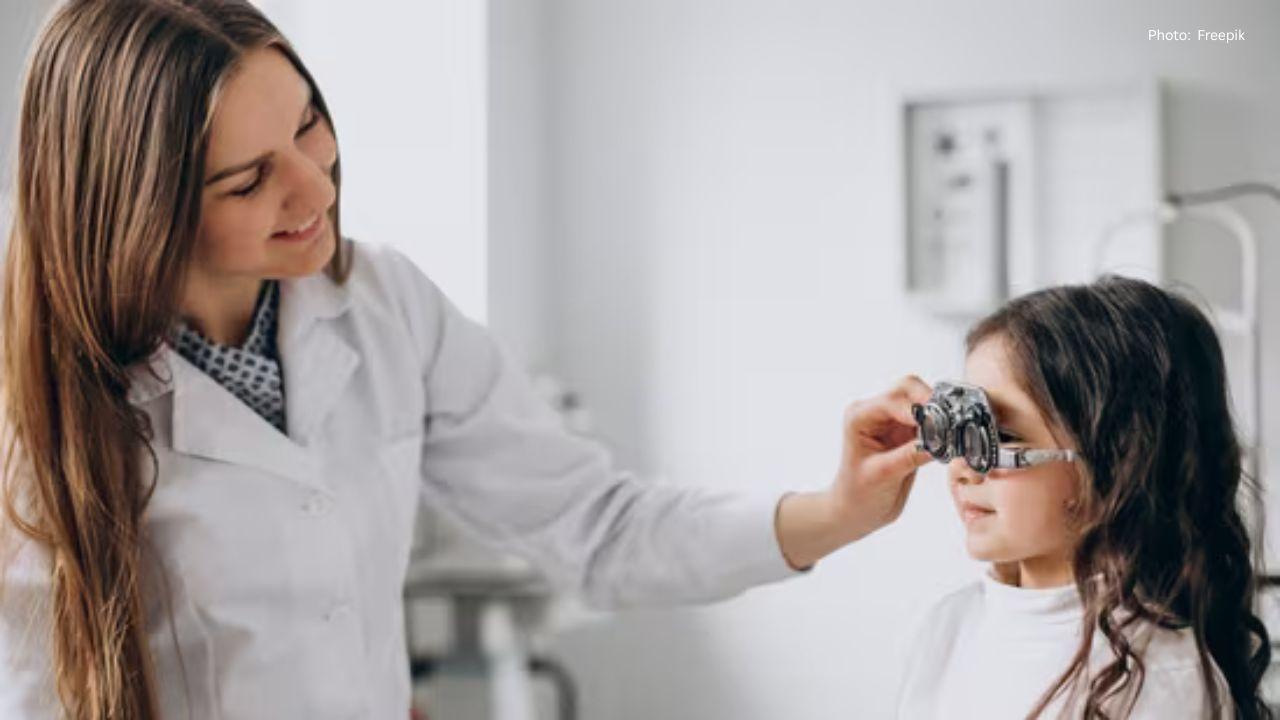
Myopia, or near-sightedness, is increasingly common among children globally. Health professionals are raising alarms over the rapid rise in myopia cases, with the World Health Organization projecting that nearly half the global population could be affected by 2050. This emphasizes the urgent need for early detection and proactive eye care.
In a discussion with HT Lifestyle, Dr. Divya B, a consultant pediatric ophthalmologist, clarified that children with myopia can see close objects clearly, but struggle with clarity at distances. This difficulty impacts essential daily activities such as reading from the blackboard, watching television, or enjoying outdoor play.
By 2030, Dr. Divya estimates that myopia prevalence among children could hit 32 percent, escalating to 40 percent by 2040 and potentially 48 percent by 2050. This escalating trend poses a significant public health concern since untreated myopia can lead to severe complications later in life, including glaucoma, cataracts, and retinal detachment.
A significant worry is that myopia usually worsens during childhood and adolescence. Rapid progression can result in high myopia, which comes with increased lifelong risks. Early detection is crucial to mitigate this progression, making regular eye examinations vital, particularly for children with a family history of myopia.
Dr. Divya outlines some essential warning signs for parents to look out for:
1. Squinting or narrowing of the eyes
A child might squint in an effort to see distant objects clearly, notably in educational or outdoor settings.
2. Close proximity to screens
Myopic children tend to sit exceedingly close to the television or keep books and smartphones at an incredibly short distance.
3. Closing one eye for better vision
If a child often shuts one eye when viewing something at a distance, it could indicate their vision is unclear.
4. Recurrent headaches or eye discomfort
Difficulty focusing on distant objects can lead to fatigue and headaches.
5. Complaints about indistinct vision
Children may express inability to read classroom boards or recognize people from afar.
Dr. Divya cautioned that overlooking these signs could exacerbate the issue. Parents should not dismiss a child's complaints as trivial or temporary.
Incorporating healthy habits can also safeguard children’s eyesight. Encouraging outdoor activities, implementing regular screen breaks, and ensuring appropriate reading distance can significantly help. Most importantly, parents should arrange for annual eye exams or more frequent checks if myopia is prevalent in the family.
While myopia should not dictate a child's life, early intervention is critical. By recognizing these signals and acting promptly, parents can significantly enhance their child's visual health for the future.


 English