Post by : Shakul
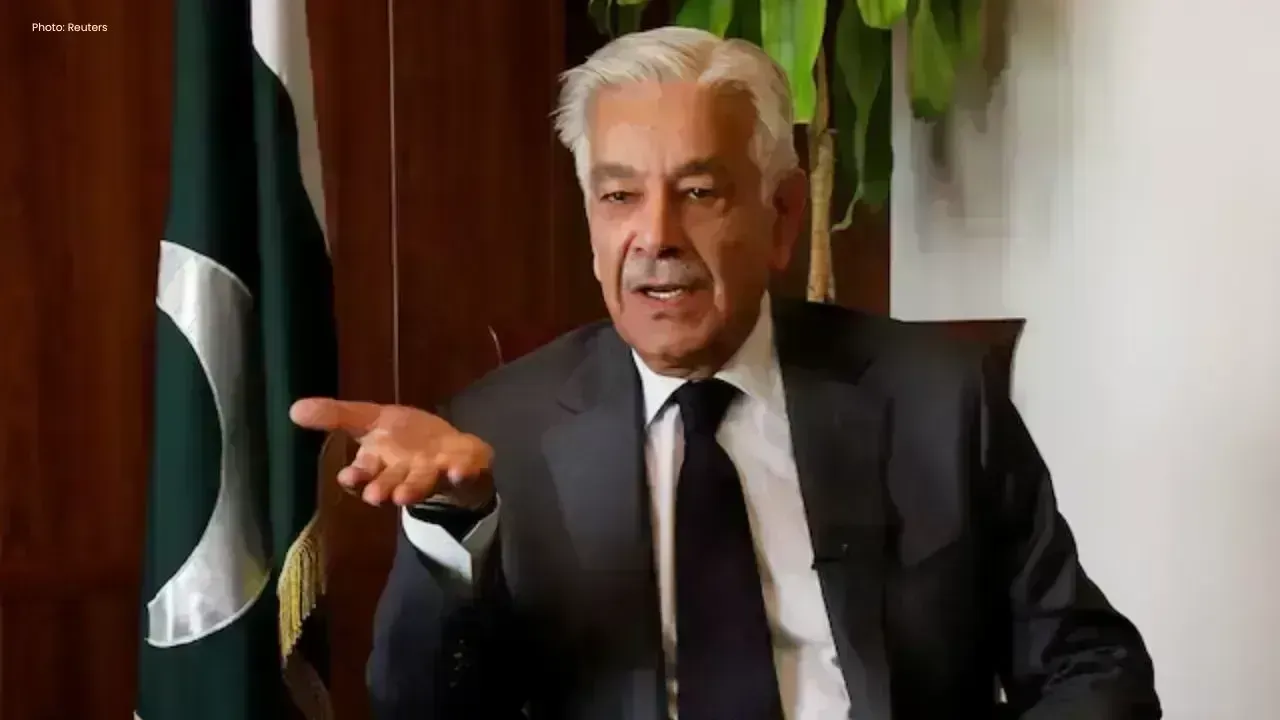
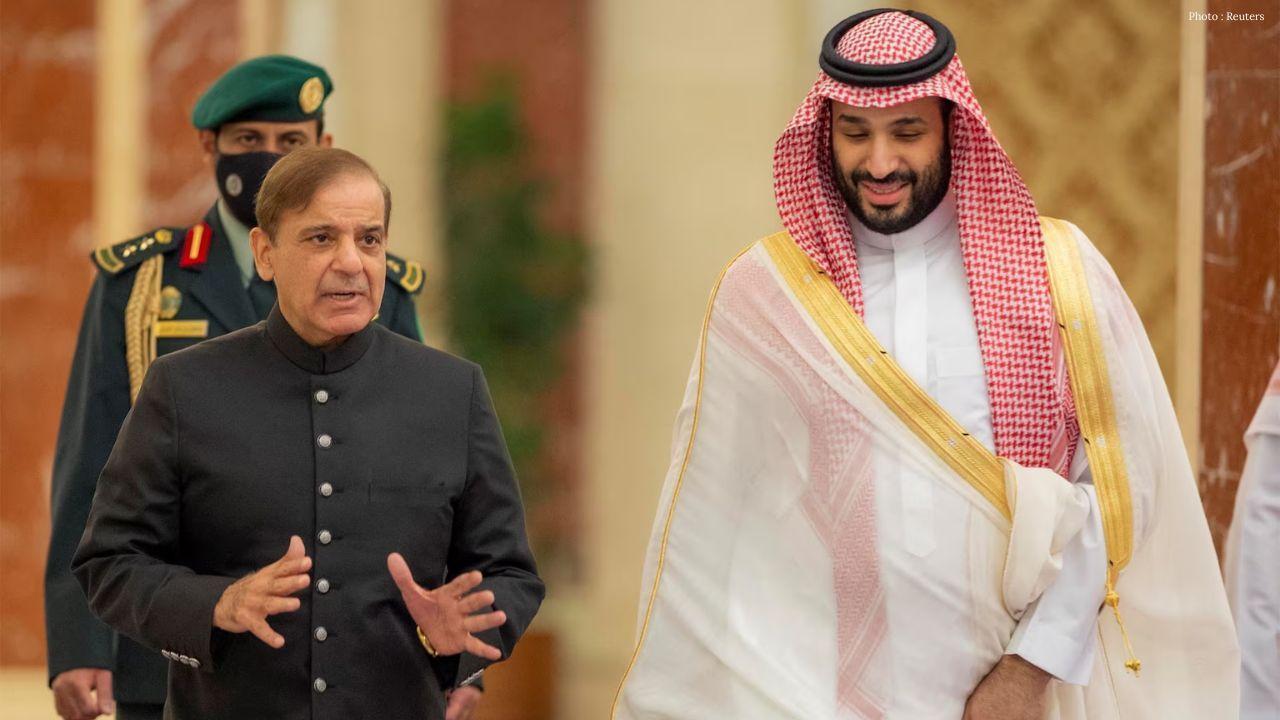
Khawaja Asif, Pakistan's Defence Minister, has reiterated the country's disapproval of the Abraham Accords, underscoring Islamabad's resistance to normalizing relations with Israel. His statements emerged amid heightened global dialogues on Middle Eastern diplomacy, particularly involving negotiations with Iran and the U.S.
During a press conference in Islamabad, Asif expressed his belief that any agreement conflicting with the nation’s core ideologies should be avoided. His comments have attracted significant attention amid growing international scrutiny associated with peace initiatives and strategic partnerships in the Middle East.
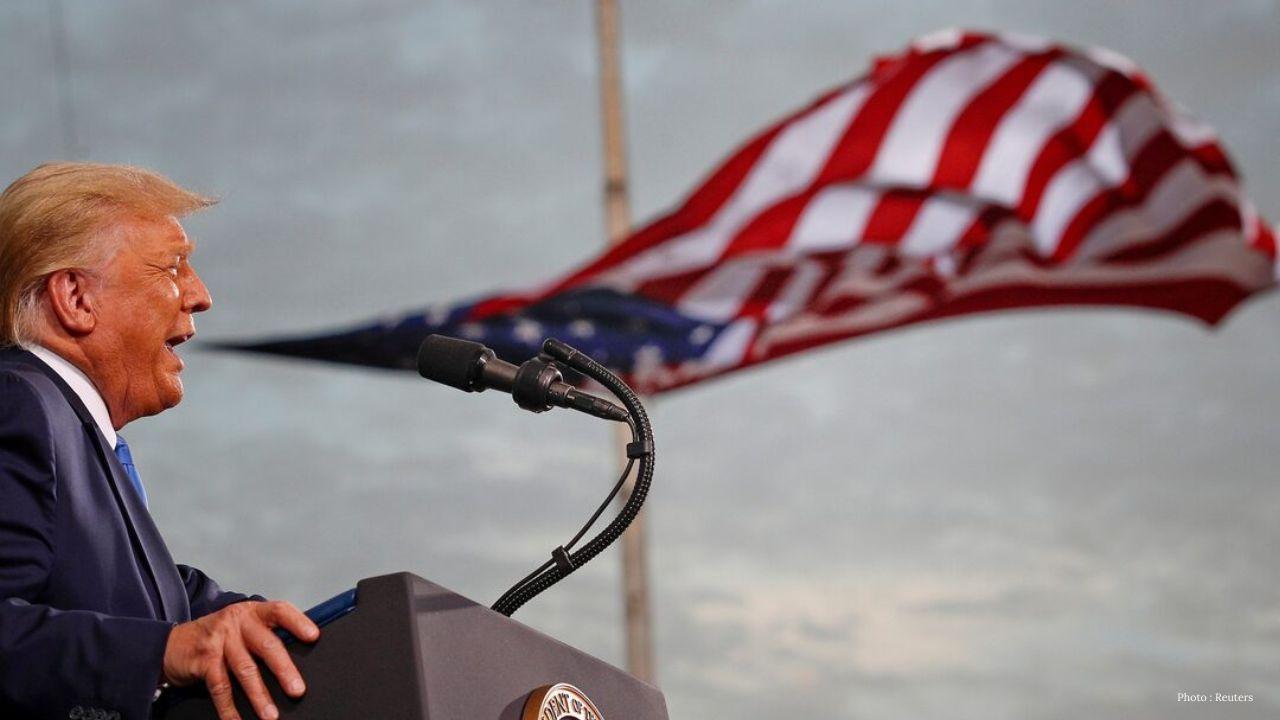
These remarks follow Donald Trump's assertion that nations engaged with Iran should consider aligning with the Abraham Accords. Introduced during Trump’s presidency, these accords aim to establish diplomatic and economic ties between Israel and various Arab states.
Historically, Pakistan has insisted that recognizing Israel hinges on achieving a fair resolution to the Palestinian conflict and supporting an independent Palestinian state. Analysts contend that Asif's statements reflect Islamabad's long-held position and the intricate political sensitivities at play regarding Israel.
Initially signed in 2020, the Abraham Accords saw the United Arab Emirates, Bahrain, Morocco, and Sudan normalize relations with Israel under U.S. mediation. The Biden administration continues to push for more Muslim-majority nations to join this effort.
Asif’s comments arrive at a critical time when Pakistan is navigating its diplomatic ties in the Middle East. The nation maintains robust relationships with Gulf states while vocally advocating for Palestinian rights on global platforms.
Experts suggest that the current domestic political climate makes any shift towards formal relations with Israel a delicate matter. Public sentiment in Pakistan has historically favored the Palestinian cause, leading political factions to oppose recognizing Israel without a comprehensive peace solution.
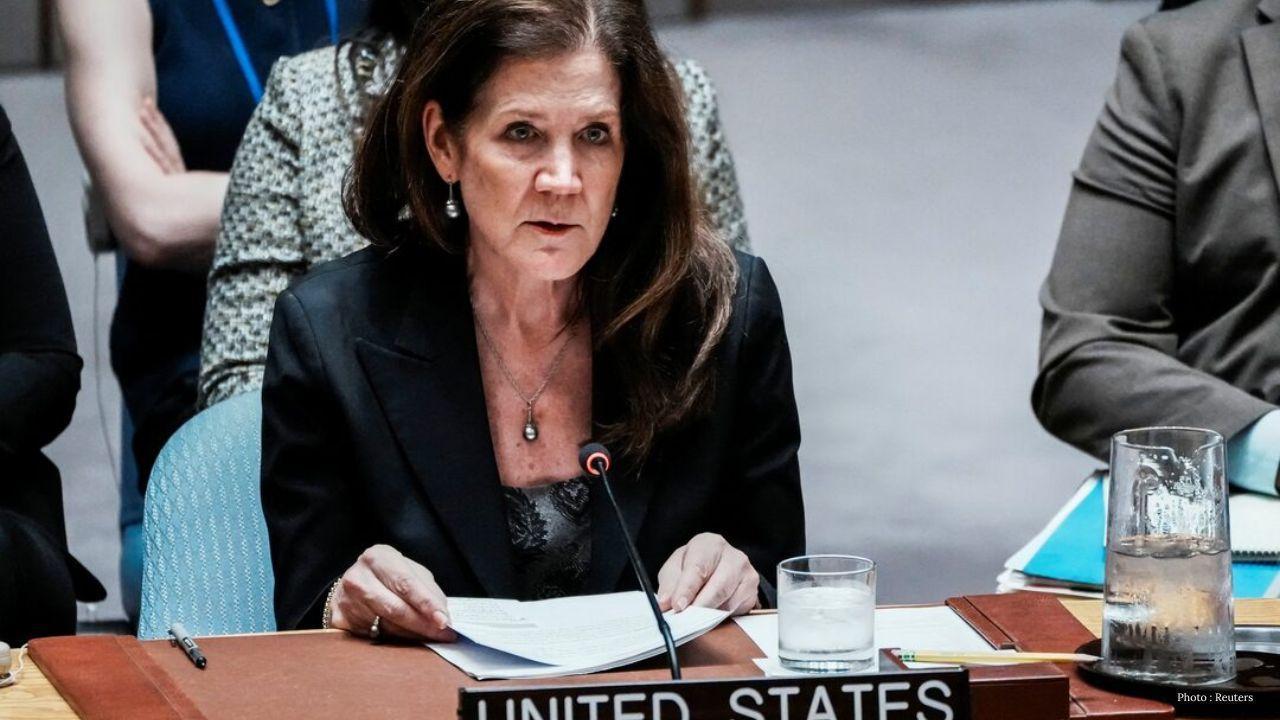
The statements by Pakistan's Defence Minister could have significant implications for ongoing diplomatic dialogues involving Iran, Gulf nations, and the U.S. While the U.S. aims to promote collective cooperation via the Abraham Accords, Pakistan's enduring stance suggests that any change in its foreign policy is unlikely soon.


 English