Post by : Shakul
The Palestinian healthcare system is facing one of its most severe crises in recent years, with authorities warning that critical shortages of medicines, medical supplies and funding are pushing the sector toward collapse. The Embassy of the State of Palestine in New Delhi issued an urgent appeal highlighting the growing humanitarian emergency and its impact on thousands of patients across the occupied Palestinian territories.
According to the Palestinian Ministry of Health, nearly 180 of the 520 essential medicines required by public healthcare facilities have completely run out of stock. The situation is particularly alarming for cancer patients, as 50 out of 97 oncology medicines are currently unavailable. Health officials warn that more than 4,000 cancer patients are now facing serious risks due to the lack of life-saving treatments.
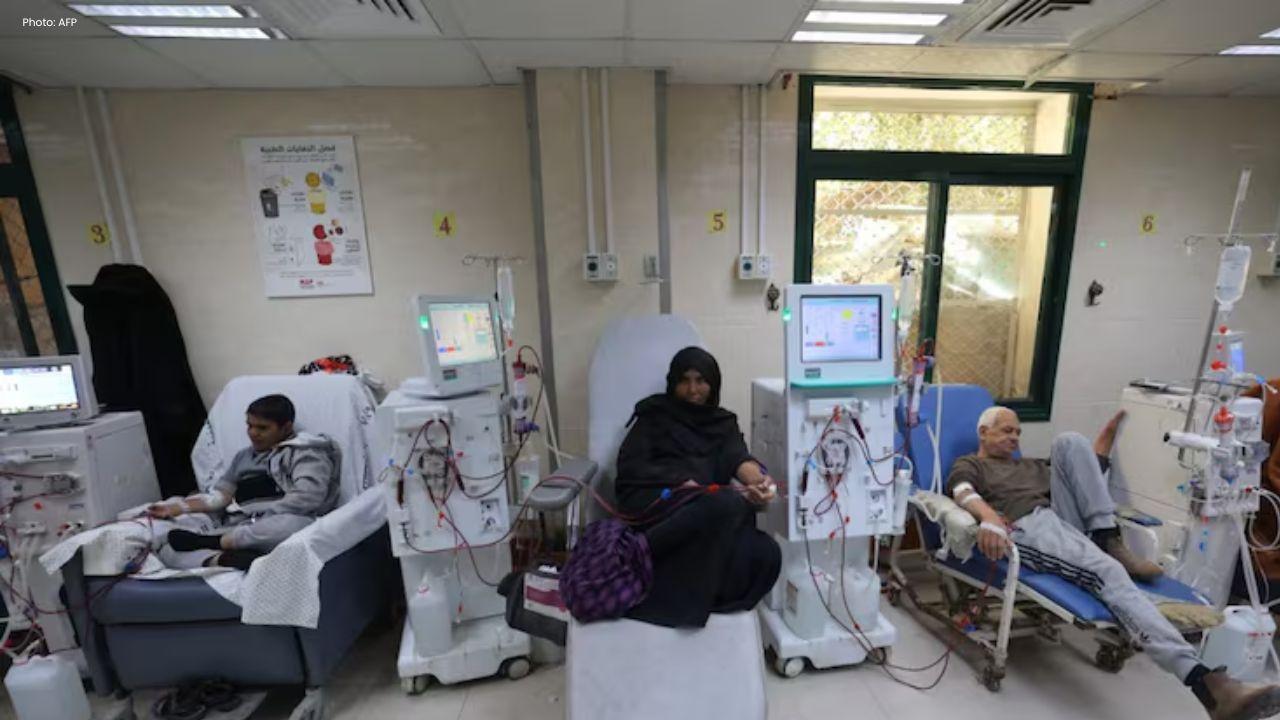
The crisis extends beyond cancer care. Palestinian authorities have also reported severe shortages of medicines and laboratory supplies required for kidney dialysis and other chronic disease treatments. Medical experts say strategic reserves of critical healthcare supplies have reached dangerously low levels, raising concerns about the ability of hospitals to continue providing essential services.
The growing shortage of medicines has already affected healthcare delivery throughout 2026. Official figures show that only 19,500 surgical procedures were performed by June 1 this year, compared with approximately 65,000 surgeries carried out during the whole of 2025. More than 11,000 scheduled operations have reportedly been postponed, increasing health risks for patients waiting for urgent medical intervention.
Palestinian officials attribute much of the crisis to financial pressures linked to the withholding of Palestinian clearance revenues. Under existing arrangements, customs and tax revenues collected on behalf of the Palestinian Authority are transferred periodically. Palestinian authorities argue that delays and deductions in these funds have severely limited the government's ability to finance healthcare services and purchase essential medicines.
The health emergency is unfolding amid broader economic challenges that include rising unemployment, increasing poverty levels and the long-term impact of conflict and instability. These conditions have significantly increased public reliance on government healthcare facilities at a time when resources are under unprecedented strain.
To prevent a deeper humanitarian catastrophe, the Palestinian Ministry of Health has appealed to donor nations, international organizations and humanitarian agencies for urgent assistance. Officials estimate that at least $50 million is needed immediately to secure life-saving medicines, while an additional $50 million is required to maintain essential healthcare services. Palestinian authorities have called on the international community to act swiftly, warning that continued deterioration of the healthcare sector threatens the fundamental right to medical treatment and the lives of thousands of patients.


 English