Post by : Saif
Al-Najjar
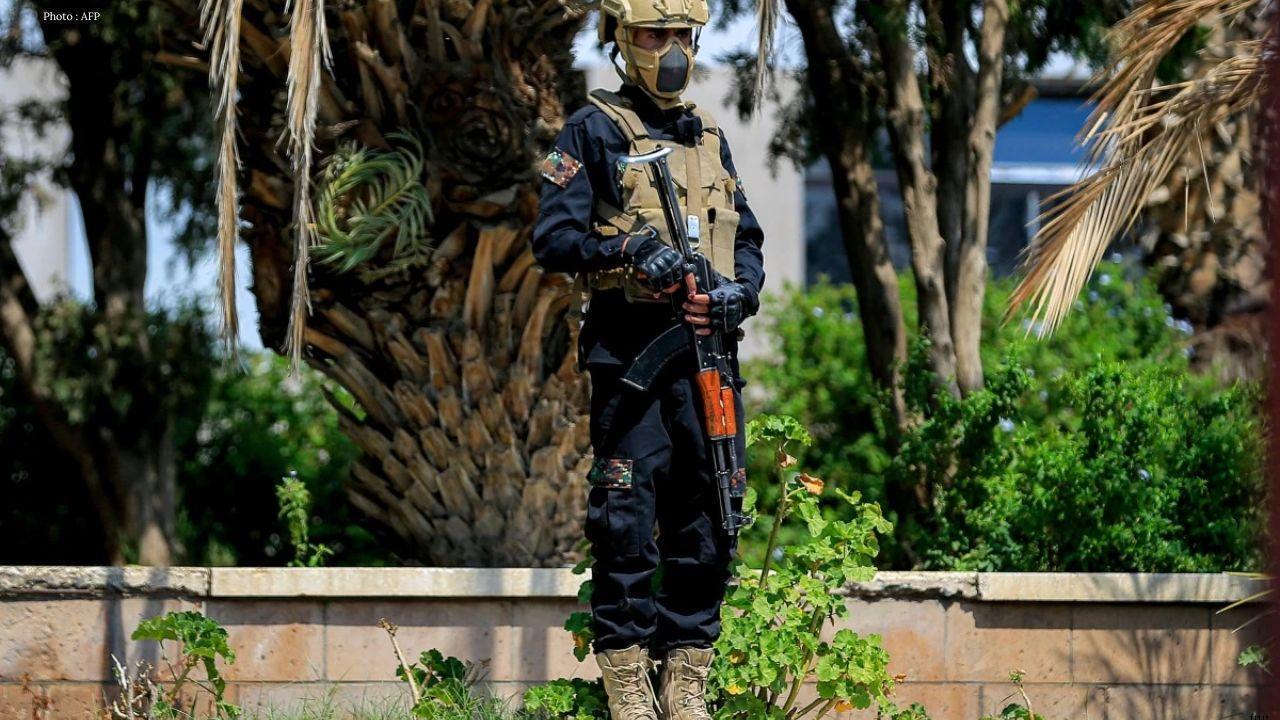
A Pentagon inquiry has prompted significant concerns regarding the actions of U.S. Defense Secretary Pete Hegseth in managing confidential military communications. Sources familiar with the findings suggest that Hegseth utilized the Signal messaging application on his personal device to convey details about planned U.S. operations in Yemen. This raised the possibility that critical information could have been intercepted, thereby jeopardizing U.S. personnel and mission success.
The report, finalized by the Pentagon's independent Inspector General, is not yet public but is anticipated to be released shortly. It remains unclear whether the messages exchanged were classified, as Hegseth has the authority to classify or declassify information at his discretion.
Despite this, Pentagon officials claim that the investigation cleared Hegseth of wrongdoing. He reiterated this stance via social media, asserting that no classified information was shared and that the matter is resolved. The situation, however, is more intricate, particularly as Hegseth is under increasing scrutiny for other military operations he has overseen, including high-profile strikes against suspected drug traffickers in the Caribbean.
Responses from Congress have been vigorous, particularly among Democrats. Representative Adam Smith, the leading Democrat on the House Armed Services Committee, labeled the findings as “a damning indictment of a secretary of defense lacking competence.” He criticized Hegseth for poor judgment and failure to grasp the essential responsibilities of safeguarding U.S. forces.
Much of the uproar focuses on a Signal group chat employed by top national security advisors under President Donald Trump. On March 15, Hegseth shared plans for strikes targeting Houthi fighters in Yemen within this group. This chat mistakenly included Jeffrey Goldberg, the editor-in-chief of The Atlantic, who later released screenshots after Trump staff accused him of exaggerating the events.
The screenshots show Hegseth discussing plans to eliminate a Houthi militant leader merely two hours before the operation commenced. The Inspector General noted that the information provided to him from military sources was classified at that time. If intercepted, it could have enabled adversaries to prepare or relocate, increasing risks to U.S. operatives.
Hegseth has consistently denied that he communicated war planning details via Signal. He opted against an interview with investigators but provided a written statement, in which he contended he only disclosed what he deemed safe and accused political rivals of instigating the investigation, despite it being initiated by both Republican and Democratic lawmakers.
Former defense officials expressed surprise at Hegseth's defense, underscoring that timing and targeting intelligence preceding a military action represents some of the most sensitive components in national security. Should Houthi officials have been alerted to an impending strike, they could have evaded capture or sought refuge in populated areas, complicating U.S. military operations without risking civilian lives.
However, the findings also indicated that the chat did not reveal specific target names or precise locations, and lacked details that could lead to direct attacks on U.S. forces.
Senator Mark Warner, the leading Democrat on the Senate Intelligence Committee, remarked that the report reflected Hegseth's repeated use of Signal for official matters. Warner cautioned that this incident is not an isolated lapse but indicative of a broader trend of poor decision-making.
The Inspector General also pointed out that Hegseth submitted only a limited selection of his Signal messages. This compelled investigators to depend on The Atlantic’s published screenshots, restricting their understanding of the situation.
As the report nears public availability, scrutiny around Hegseth’s leadership and decision-making intensifies. This adds pressure amid ongoing debates regarding military operations, national security, and political accountability. It remains uncertain whether the findings will spur further action, yet the inquiry has catalyzed a national dialogue on the protocols for handling sensitive information in an age dominated by modern communication technologies.


 English