Post by : Saif
Al-Najjar
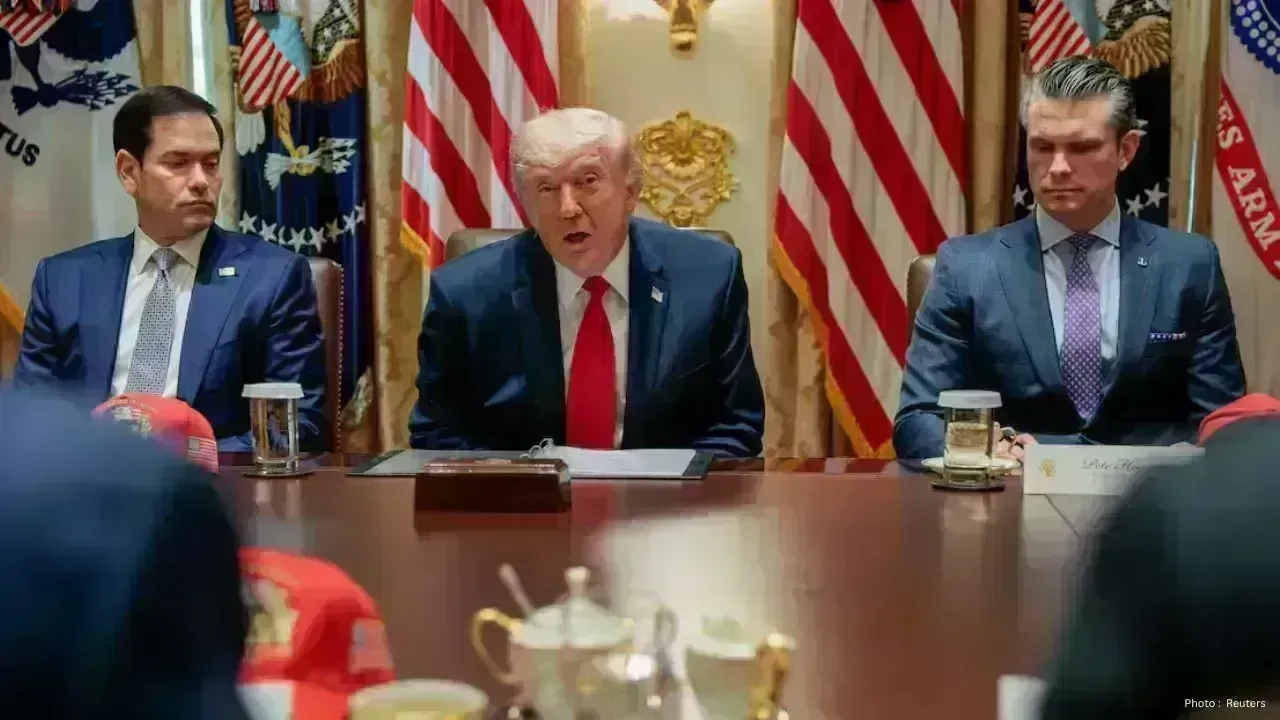
In a hopeful turn, Iran and the United States are said to be nearing a deal to extend an existing ceasefire, pending final confirmation from former U.S. President Donald Trump.
This potential agreement emerges amid growing worries over military escalations and the security of vital international shipping routes within the Gulf.
Facilitated diplomatic discussions between both nations continue, emphasizing the need to de-escalate tensions and safeguard conditions around the crucial Strait of Hormuz. This waterway is integral for global crude transport, accounting for a significant portion of daily oil exports.
Key negotiators are keen on lessening military strain, ensuring the safety of maritime commerce, and fostering broader diplomatic interactions. The anticipated ceasefire extension could play a vital role in mitigating risks related to geopolitical volatility and energy markets.
Washington and Tehran's relationship has been strained for years, primarily due to conflicting views on sanctions, nuclear programs, and regional power dynamics. Sporadic confrontations between the two nations have frequently disrupted global diplomacy and influenced oil pricing.
The unfolding situation has captured the attention of international financial circles, as instability in the Gulf typically impacts fuel prices and overall trade dynamics. Both investors and energy sectors are keeping a watchful eye on developments.
Concerns escalated recently following reports of military exchanges and increased naval operations around critical shipping corridors. Numerous countries have called on both parties to steer clear of actions that might exacerbate regional tensions.
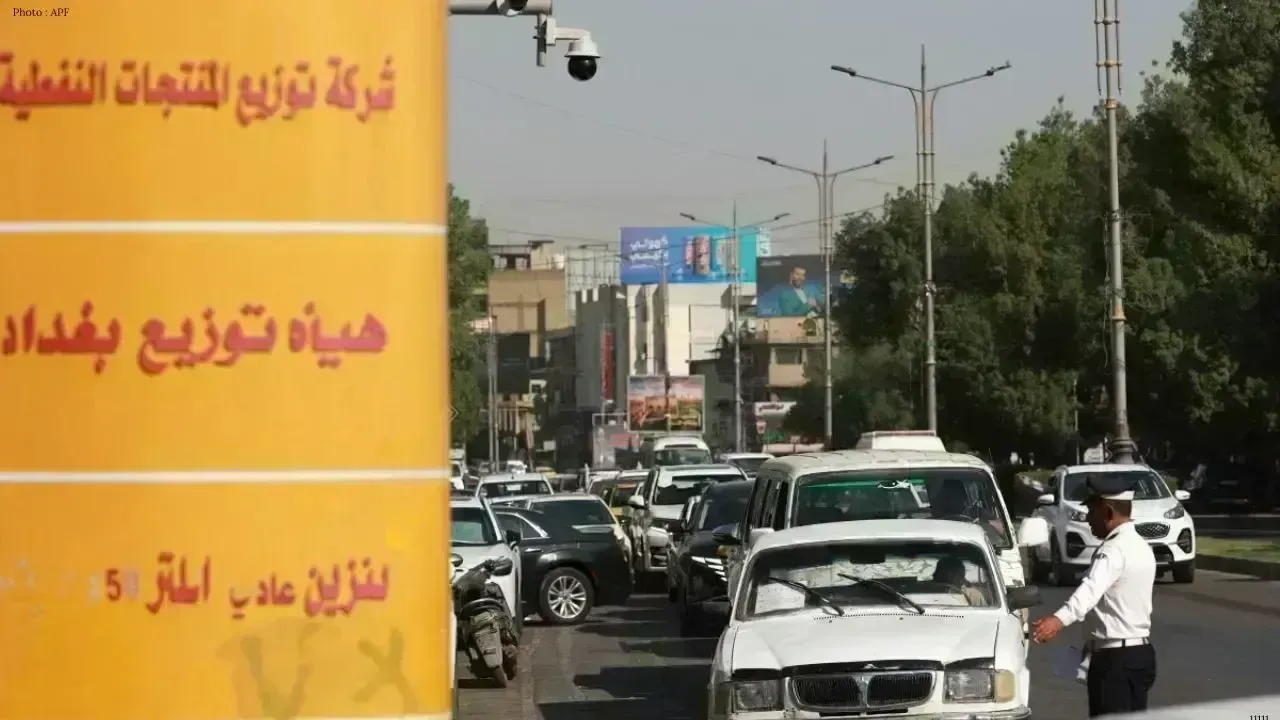
A ceasefire extension could offer temporary respite for global markets apprehensive about potential crude supply disruptions. Countries dependent on energy imports are particularly vigilant, as soaring oil prices can directly influence inflation and economic growth.
Efforts by regional and global mediators have been pivotal in sustaining dialogue between the two nations. Analysts suggest that ongoing communication is crucial to prevent miscalculations and foster long-term peace.
However, experts warn that key political challenges and strategic disagreements between Iran and the U.S. remain unresolved. While a temporary ceasefire could ease immediate military tensions, lingering issues tied to sanctions and nuclear negotiations continue to loom large.
The Strait of Hormuz is vital to global energy stability, with a significant share of international oil trade passing through. Disruptions in this region can rapidly affect fuel prices and impact global economic stability.
Regional authorities are monitoring the situation closely, as Gulf stability has direct implications for trade, investment, tourism, and shipping activities throughout the Middle East.
Military experts assert that ceasefire arrangements can pave the way for diplomatic negotiations, but achieving enduring peace necessitates ongoing dialogue and mutual political understanding.
Global markets have reacted cautiously to news of the proposed ceasefire, as stakeholders hope that decreased military activity could lead to stable energy pricing and reduce geopolitical risks in the area.
This possible extension underscores the pivotal role of diplomacy in averting wider conflicts around critical international shipping routes. Multiple global powers continue to advocate for peaceful negotiations over military tensions.
Eyes are now on whether final approval will be granted and how both governments will navigate future discussions. Analysts believe that the upcoming weeks will be crucial in determining both Gulf security and overall regional stability.
While the anticipated ceasefire extension may not address all issues between Iran and the United States, it could alleviate immediate military pressures and bolster efforts aimed at sidestepping a larger regional confrontation.


 English