Post by : Anis
Al-Rashid
India–Russia Relations: A New Chapter
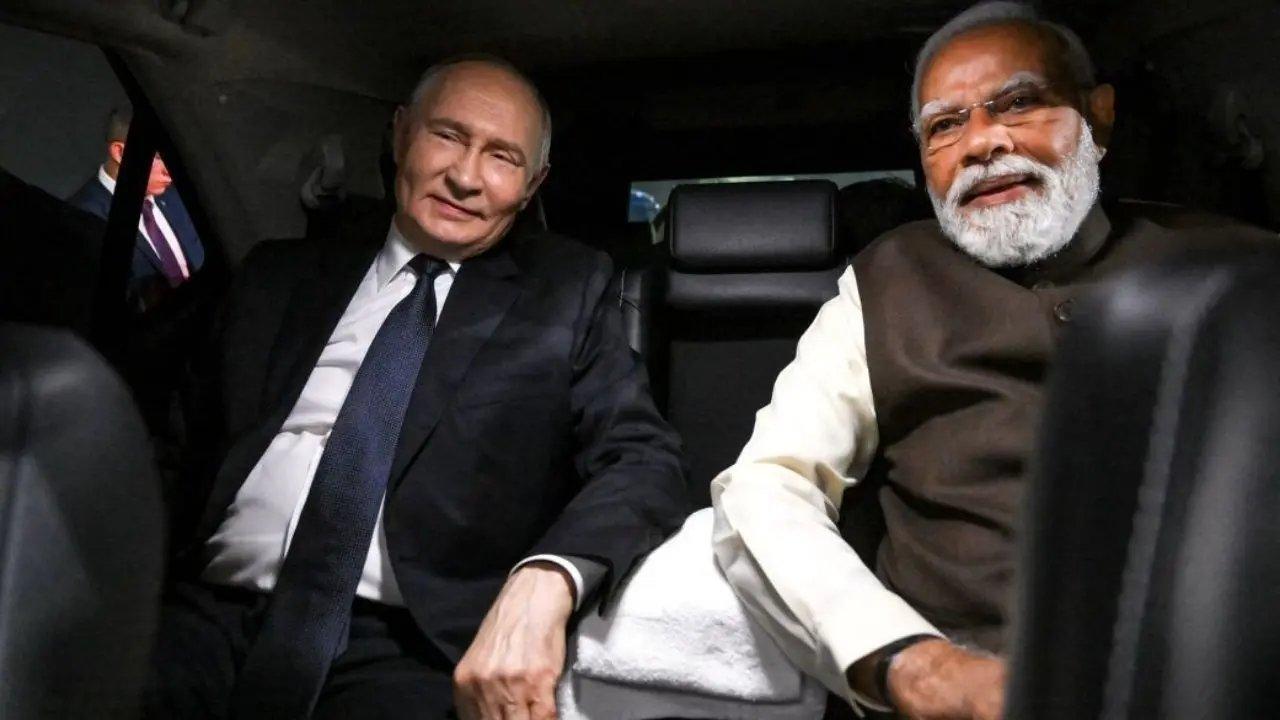
President Vladimir Putin’s visit to Delhi comes at a pivotal time, as shifting global politics, alliances, and energy transitions compel nations to rethink their economic approaches. For India, maintaining ties with Russia is vital for energy, defense, and other strategic necessities. This meeting promises not just continuity but also the potential for new opportunities impacting daily life — from fuel prices to job growth.
The deepening bonds between the two nations reflect a strategic necessity. With Russia aiming to strengthen its Asian ties to lessen its economic dependencies and India focused on securing reliable energy sources and expanding its manufacturing base, the discussions during this visit could significantly influence India's economic landscape.
Energy Discussions: Central to the Visit
Commitments for Stable Oil Supplies
Energy serves as a clear indicator of how diplomatic relations directly affect citizens. Russia has grown to be one of India's leading crude oil suppliers, and ensuring stable supplies could help moderate domestic fuel prices amidst global market volatility.
Putin's discussions have reignited talks over long-term pricing frameworks that could protect India from drastic price fluctuations. Securing a predictable pricing strategy may lead to steadier fuel costs for households and industries, lessening financial pressure.
Pipeline Initiatives Gaining Steam
Conversations surrounding joint exploration, refining partnerships, and energy corridor collaborations are on the rise. These initiatives could mitigate India’s reliance on unpredictable foreign transport routes, fostering long-term energy stability and competitive advantage for industry.
Natural Gas and Renewable Energy Focus
Transforming into a Gas-Based Economy
India is actively increasing its natural gas consumption, promoting cleaner energy across households and industries. With Russia among the top global natural gas producers, support for further gas infrastructure development is plausible.
Enhanced collaboration could yield long-term contracts for LNG and lower gas prices, providing households with better access to clean fuel and reducing operational costs for businesses.
Advancements in Renewable Technologies
Both nations are keen to cooperate in nuclear energy safety, hydrogen tech, and battery technologies. Russia's expertise could significantly contribute to India's next-generation reactor ambitions.
A joint commitment towards green hydrogen initiatives could pave the way for new job opportunities in various sectors.
Enhancing Economic and Industrial Relations
Creating Jobs through Industrial Collaboration
A major outcome anticipated from this visit relates to employment growth. Collaborative efforts in sectors like machinery, mining, transport, and petrochemicals could generate local job opportunities and stimulate business.
Joint manufacturing initiatives not only produce goods but also promote regional vendor ecosystems and skills development through the proposed India–Russia Industrial Partnership Framework.
Importing Technology and Knowledge
Russia’s strategy to diversify its exports paves the way for technology transfer in vital areas such as:
This collaboration will reduce import dependency for India and facilitate domestic production, potentially creating thousands of jobs.
The Defence Sector and Its Economic Impact
Prioritizing Joint Manufacturing
While defense collaboration isn’t new, recent talks push for increased joint production, aligning with India's goal to reduce arms imports and strengthen domestic defense manufacturing.
Locally produced defense equipment will promote job creation across various sectors, enhancing R&D in manufacturing.
Expanding Supply Chains Nationwide
The growth of defense manufacturing will ripple out, touching tier-2 and -3 towns through an expanding supplier infrastructure.
This growth fosters regional economic strength and enhances India’s competitive manufacturing landscape.
Transitioning Trade and Logistics: An Underlying Shift
Connecting via the International North–South Corridor
A key topic during the India–Russia talks has been improving logistics. The International North–South Transport Corridor (INSTC) aims to streamline shipping routes between the two countries, passing through Central Asia and the Middle East.
For consumers, this could lead to more consistent imports and potentially lower costs. For exporters, optimized logistics enhance profit margins and access to new markets.
Encouraging Small Business Trade
Simplified trade pathways will empower MSMEs to explore export opportunities without incurring high shipping costs. Products like textiles and agricultural goods are likely to see greater market access.
The growth of local businesses translates into broader employment opportunities in communities.
The Public Impact of These Changes
Impacts on Fuel Prices
More stable oil pricing could mean:
-
fewer unexpected fuel price hikes
-
more stable public transport costs
-
predictable logistics fees for essential goods
Given that fuel can drive inflation, stability here offers widespread economic relief.
Employment Opportunities through Joint Ventures
New ventures in energy, manufacturing, or defense can lead to various employment avenues, including:
-
construction roles during facility setups
-
engineers and specialized technicians
-
logistics personnel
-
service and maintenance experts
Such job creation enhances incomes and skill levels throughout the workforce.
Improving Energy Access Across the Board
Enhanced LNG infrastructure can directly lead to:
These enhancements will benefit countless citizens, especially in growing metropolitan areas.
Geopolitical Influences on India’s Strategy
Maintaining Strategic Balance
India seeks a foreign policy rooted in strategic autonomy, allowing for relationships with multiple powers. Strengthening ties with Russia enables India to maintain robust partnerships with Western countries while broadening its energy and defense resources.
This strategy empowers India to negotiate improved deals, reducing risks and diversifying economic relations.
Global Power Dynamics at Play
Putin’s visit signifies Russia’s continued commitment to fostering a trusted partnership with India amidst evolving geopolitical contexts, reinforcing India’s role as a central balancing force in Asia.
For citizens, a strong diplomatic stance translates to:
Addressing Potential Challenges Ahead
Managing Price Fluctuations
Even comprehensive agreements cannot fully insulate India from global price volatility. External factors such as conflicts and market disruptions impose challenges. India must employ robust hedging to mitigate fluctuations.
Infrastructure and Logistical Hurdles
Significant investment in infrastructure is crucial for large-scale gas imports and manufacturing. Regulatory hurdles may slow progress. Timely execution will be vital for creating jobs and fostering industrial growth.
Balancing Domestic Demands with Global Goals
India must align its growing energy needs with international climate commitments. While Russian supplies enhance security, there remains a pressing need to expand renewable energy resources to support long-term sustainability.
Looking Ahead: Promising Prospects
Diversifying Energy Sources
Putin’s visit underscores energy cooperation that positions India for:
-
entrenched crude sourcing options
-
increased access to natural gas
-
potential advancements in nuclear and hydrogen technologies
Such diversification will equip India to withstand global challenges.
Boosting Skilled Employment Opportunities
Growing industrial partnerships will create demand for skilled workers in various fields, aligning with India’s vision of cultivating a high-skill economy.
Fostering Economic Stability
A stable energy supply, expanding manufacturing networks, and technological collaborations lay a groundwork for enduring economic stability. This stability translates to real benefits for citizens through job creation, manageable living costs, and improved services.
Conclusion: A Defining Visit for India’s Future
Putin’s Delhi visit is more than a diplomatic outreach; it paves the way for enhanced energy security, industrial advancement, and job prospects. If the initiatives discussed manifest into actionable projects, the coming years may witness transformative shifts in India's energy framework and job market.
These developments promise to resonate with citizens through improvements in fuel pricing, job availability, and local business growth, significantly shaping India's future trajectory amid a dynamic global landscape.
Disclaimer:
This article reflects ongoing events, analytical insights, and accessible public data. It is crafted solely for information purposes and does not advocate for specific political stances or foresee future policy directions.


 English