Post by : Saif
Al-Najjar
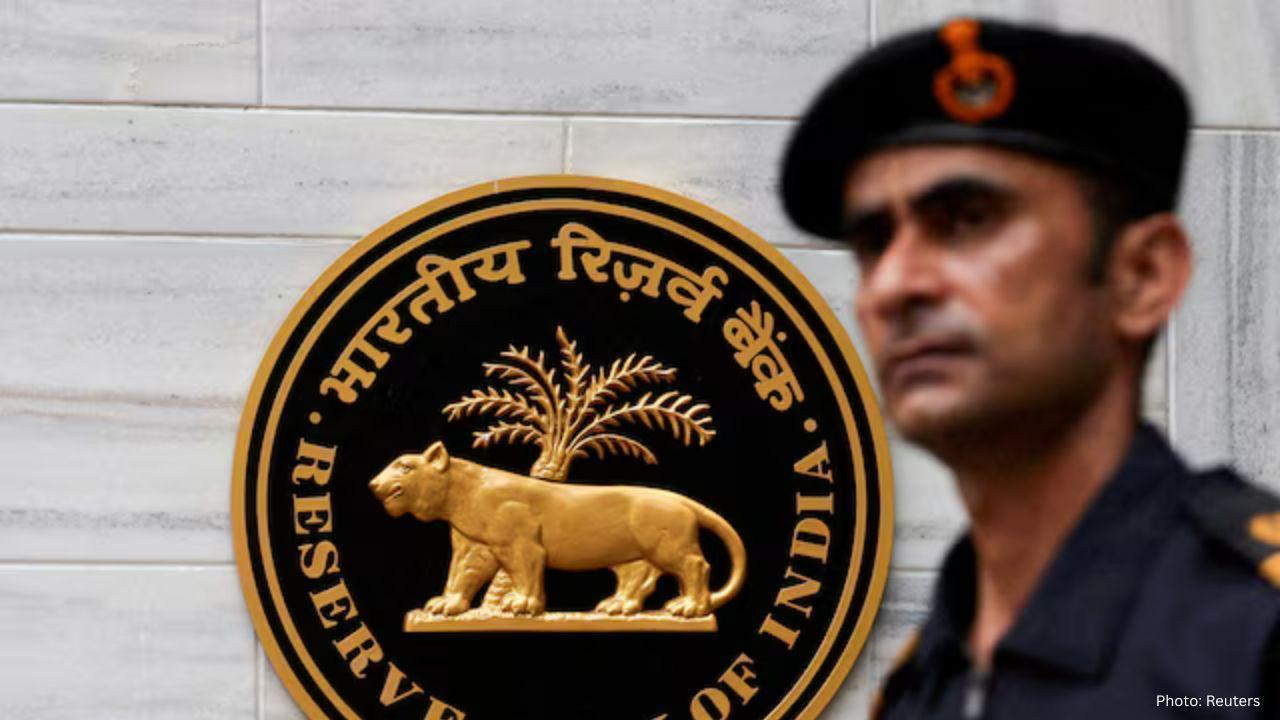
As 2025 comes to a close, India's government bond market presents a mixed outlook despite the Reserve Bank of India's (RBI) unprecedented interventions. The RBI’s extensive liquidity support and substantial interest rate reductions have helped stabilize bond yields, but fears surrounding excessive borrowing and lackluster demand limit any substantial recovery as the country looks forward to 2026.
In 2025, the RBI injected an impressive 11.7 trillion rupees into the system. This contribution stemmed from large-scale bond acquisitions, foreign exchange swaps, and reductions in the cash reserve ratio for banks. Additionally, the central bank cut interest rates by an aggregate of 125 basis points, marking the most significant easing since 2019 to maintain low borrowing costs and spur growth.
Consequently, the yield on India’s benchmark 10-year government bond saw a decline for the third consecutive year, finishing 2025 at approximately 6.59%, a decrease of 17 basis points from the year's beginning. While this may appear beneficial, the decrease was less pronounced than anticipated given the level of RBI intervention.
The bond market's trajectory has manifested in two contrasting halves this year. The first half saw yields plummet as investor confidence surged relating to rate cuts and abundant liquidity. However, the latter half experienced a rebound in yields caused by escalating concerns over the issuance of new bonds from both central and state governments. This consistent influx of debt has rendered investors wary.
Additionally, key investor demand dwindled. Insurance firms reported reduced inflows, pension funds redirected a greater portion of their investments into equities, and banks failed to replenish their bond portfolios following sales to the RBI. This mismatch between supply and demand has generated downward pressure on bond values.
The currency market posed another challenge, as the Indian rupee depreciated nearly 5% throughout 2025, marking its weakest performance in three years. Significant outflows from foreign investors and the absence of a trade agreement with the United States further exacerbated this situation. A weaker rupee compelled the RBI to exercise caution, balancing bond support with the need for currency stability.
Looking forward to 2026, analysts predict that bond yields will stabilize within a narrow band. With inflation contained, the RBI is likely to maintain its current interest rate levels for an extended period. Nevertheless, future adjustments will significantly hinge on the Union Budget, borrowing strategies, and the RBI's upcoming liquidity and currency management policies.
In summary, although the RBI's exceptional measures in 2025 mitigated severe pressures in the bond market, they failed to catalyze a robust rally. As India transitions into 2026, the outlook for government bonds remains stable yet cautious, influenced by borrowing requirements, investor appetite, and central bank decisions.


 English