Post by : Saif
Al-Najjar
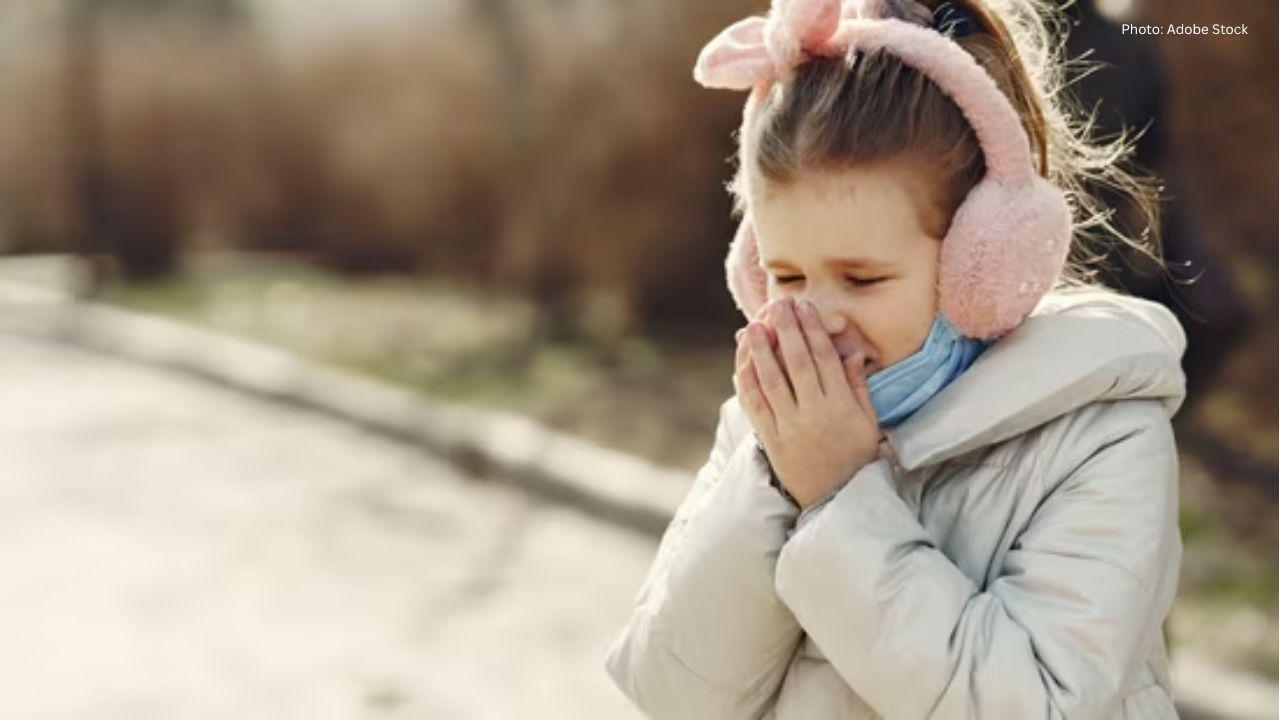
Pneumonia represents a severe lung infection, particularly in children under five years old. Medical professionals emphasize the urgency of recognizing symptoms promptly, as young children's small airways and developing immune systems make them more vulnerable. Initial symptoms often include a fever and cough; however, vigilant observation is crucial for timely intervention before severe illness occurs.
According to doctors, pneumonia results from infections filling the small air sacs in the lungs with fluid or pus, impeding breathing and reducing oxygen levels. Infectious particles can spread through coughing, sneezing, close contact, and contact with contaminated surfaces. Contrary to common belief, pneumonia can impact children year-round, not just during winter.
Parents must closely monitor for early warning signs. A high fever that does not improve with over-the-counter medications could indicate trouble. Rapid or labored breathing requires immediate attention, especially if the child's chest sinks during inhalation, suggesting respiratory distress. A lack of appetite or refusal to eat can occur as breathing becomes more taxing. Unusual sleepiness or irritability may signal inadequate oxygen intake. Notably, signs like bluish lips or nails indicate critically low oxygen levels, warranting immediate medical attention if two or more symptoms arise.
Childhood pneumonia can escalate quickly for various reasons. Many kids spend significant time indoors, where poor ventilation can expose them to harmful pollutants. Additionally, smoke from cooking or scented products may exacerbate breathing issues. Nutritional deficiencies can weaken a child's immune response, making infection-fighting more challenging. Children recovering from illnesses such as colds or flu are also at increased risk for developing pneumonia during recovery.
Doctors recommend several preventive measures to lower pneumonia risk. Ensuring proper airflow in homes, frequently opening windows for fresh air, and minimizing indoor smoke can significantly enhance breathability. Teaching children proper hand-washing techniques can help reduce infection spread. A healthy diet rich in protein, fruits, and vegetables is essential for strengthening immunity.
Vaccination remains crucial in protecting children against pneumonia. Timely immunizations can shield against bacterial infections from pathogens such as pneumococcus and Haemophilus influenzae type B. Parents are encouraged to consult healthcare providers regarding new treatments for severe viral infections like RSV. Adhering to vaccination schedules is vital for decreasing pneumonia risks and mitigating symptoms if illness occurs.
Immediate medical assistance is advised if a child exhibits signs like rapid breathing, refusal to eat or drink, extreme fatigue, visible chest retraction, or bluish lips and nails. Pneumonia is a manageable condition, especially when identified early. With awareness, symptom monitoring, and prompt medical care, most children can recover successfully and avoid severe health complications.


 English