Post by : Saif
Al-Najjar
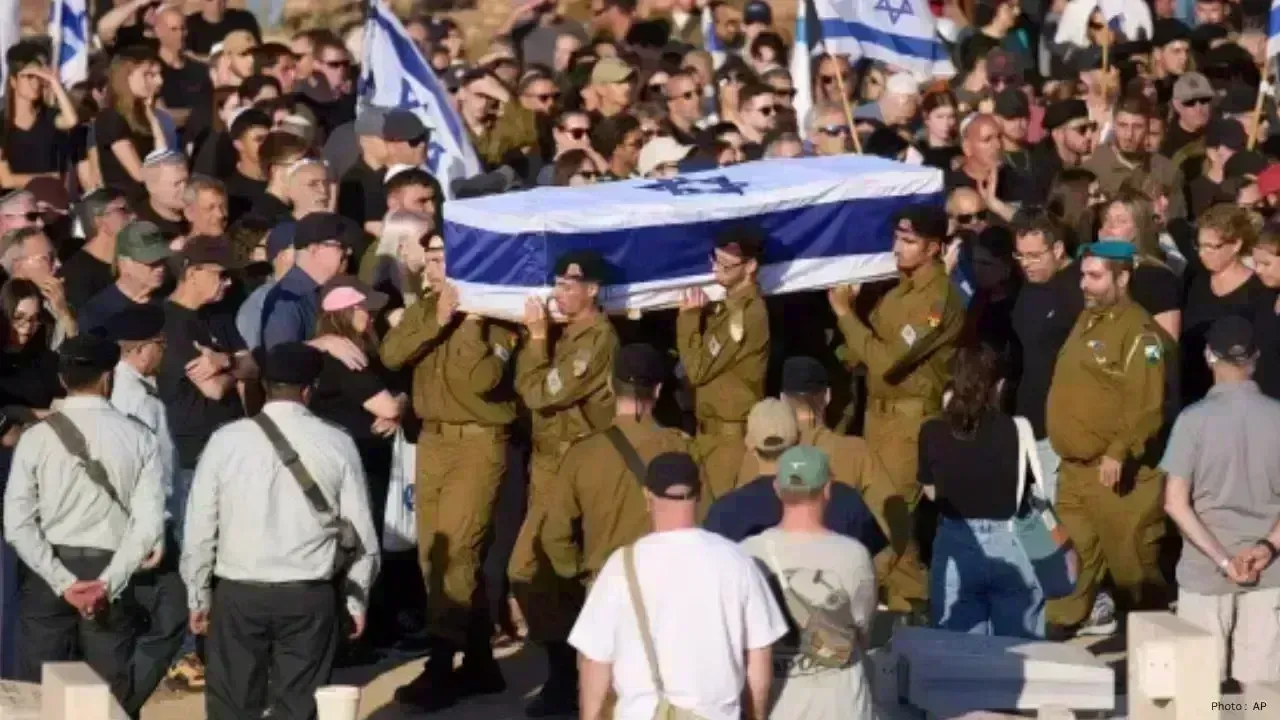
Heightened military activity at the Israel-Lebanon border has rekindled serious fears throughout the Middle East, affecting security dynamics on both sides.
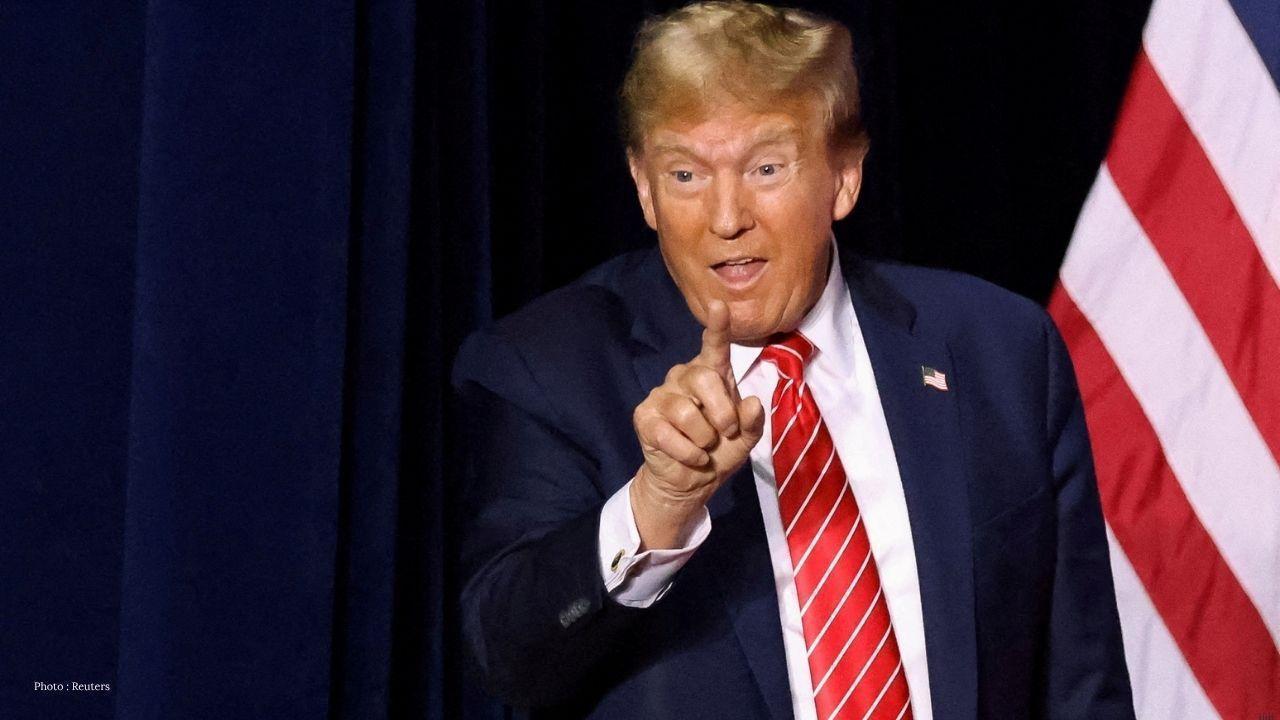
Israeli Prime Minister Benjamin Netanyahu highlighted the ongoing challenges posed by Hezbollah, the militant group that has consistently been a significant security concern for Israel.
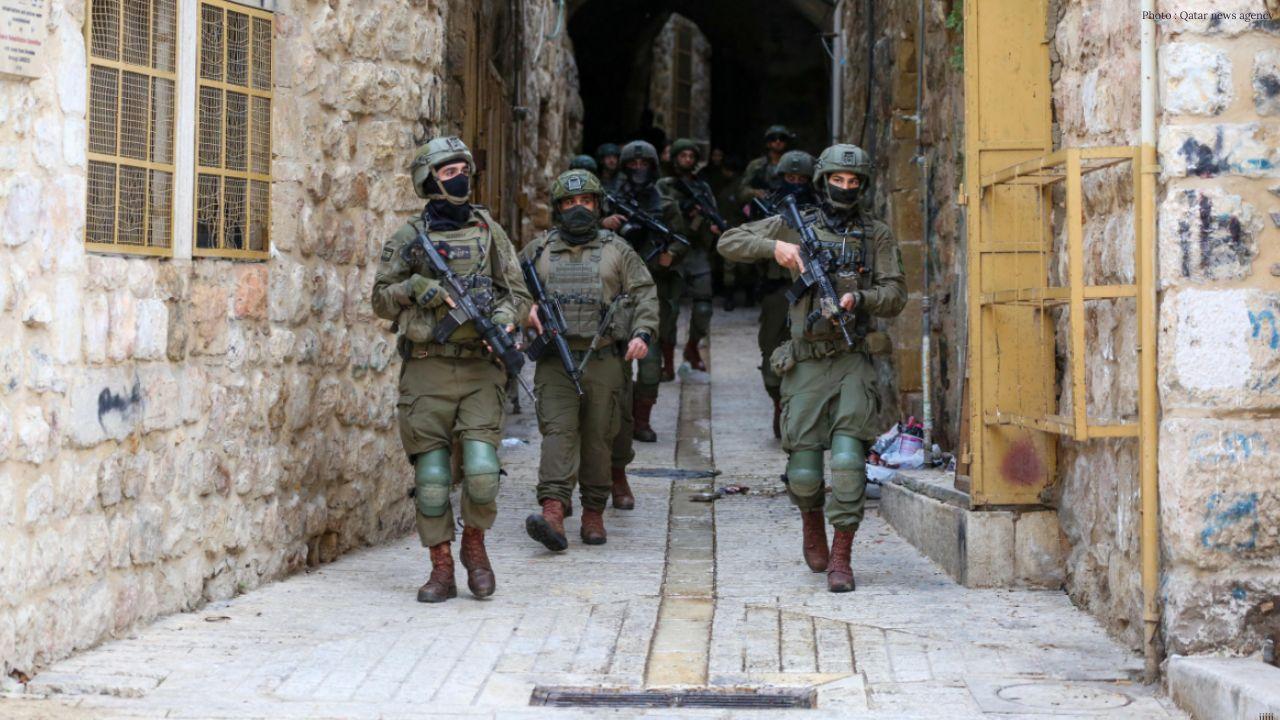
The border area has seen frequent incidents involving rockets, drones, and artillery fire over recent months, leaving local communities in a state of unease due to the persistent military operations and security alerts.
Hezbollah, which benefits from Iranian support, is a pivotal player in Lebanon’s security and political landscape, wielding substantial military capabilities while remaining engaged in regional conflicts and alliances throughout the Middle East.
Israeli officials are on high alert, pointing out that any attacks in the northern regions could provoke robust military reactions if the security scenario deteriorates.
The situation has grown more precarious as the conflict in Gaza escalated, raising alarm that violence might extend to surrounding nations. Several armed factions aligned with regional interests have ramped up military activities since the onset of the Gaza conflict.
Residents in border regions of both Israel and Lebanon have already been forced to evacuate due to fears of missile attacks and potential military escalation.
Lebanon is grappling with significant economic and political turmoil, facing issues like inflation, unemployment, and infrastructural weakness. A major military confrontation could further exacerbate the country's economic struggles and deficits.
Global leaders and diplomatic entities continue to urge measures to prevent a broader conflict. There is widespread concern that an expansion of fighting could destabilize the greater Middle East, leading to severe humanitarian issues.
The United Nations peacekeeping forces in southern Lebanon are vigilantly observing the situation. Yet, recurring security incidents highlight the challenge of maintaining tranquility in this area.
Experts warn that the likelihood of unintended escalation remains elevated, as even minor skirmishes could provoke significant retaliatory actions from both parties.
This crisis reflects deeper geopolitical tensions involving Israel, Iran, and various armed groups across the region. Security developments in Lebanon, Gaza, Syria, and surrounding maritime areas have increasingly become interconnected due to the broader regional competition.
Moreover, diplomatic measures aimed at conflict resolution have struggled to achieve substantial outcomes. Persistent political distrust and historical animosity continue to hinder the prospects for a lasting peace.
Analysts suggest that both Israel and Hezbollah are striving to maintain robust military readiness while steering clear of an all-out war. Nonetheless, the ongoing skirmishes at the border are amplifying uncertainty.
Economic ramifications are also rising, as instability in the Middle East often impacts tourism, trade, business confidence, and international investments.
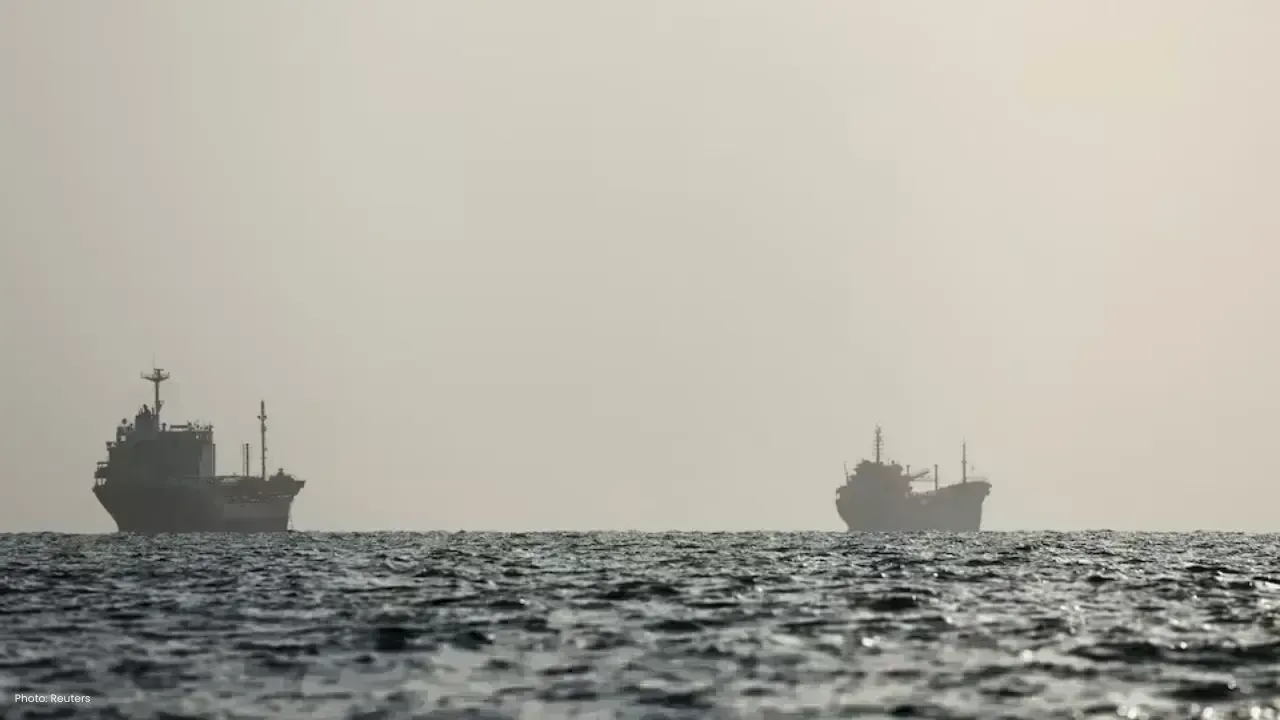
Global energy markets are keeping a close eye on the region, as significant conflicts involving Middle Eastern players could influence oil prices, shipping routes, and overall supply chains.
For Lebanon, it is critical to avert wider hostilities, given the country's economy is already under severe strain. A fresh major conflict could inflict further damage on public infrastructure and humanitarian conditions.
The Israeli communities near the northern border are also grappling with security concerns as military readiness remains high.
Political analysts propose that achieving long-term stability will necessitate sincere diplomatic engagement, improved communication channels, and enhanced regional cooperation to mitigate military confrontations.
For the time being, uncertainty prevails as both parties remain vigilant while international entities closely track developments.
The ongoing border tensions between Israel and Hezbollah underscore how swiftly instability in one region can impact broader Middle Eastern security and diplomatic efforts.
As military maneuvers and political alerts persist, global attention is likely to remain focused on averting wider conflict and ensuring the safety of civilians throughout the region.


 English