Post by : Saif
Al-Najjar
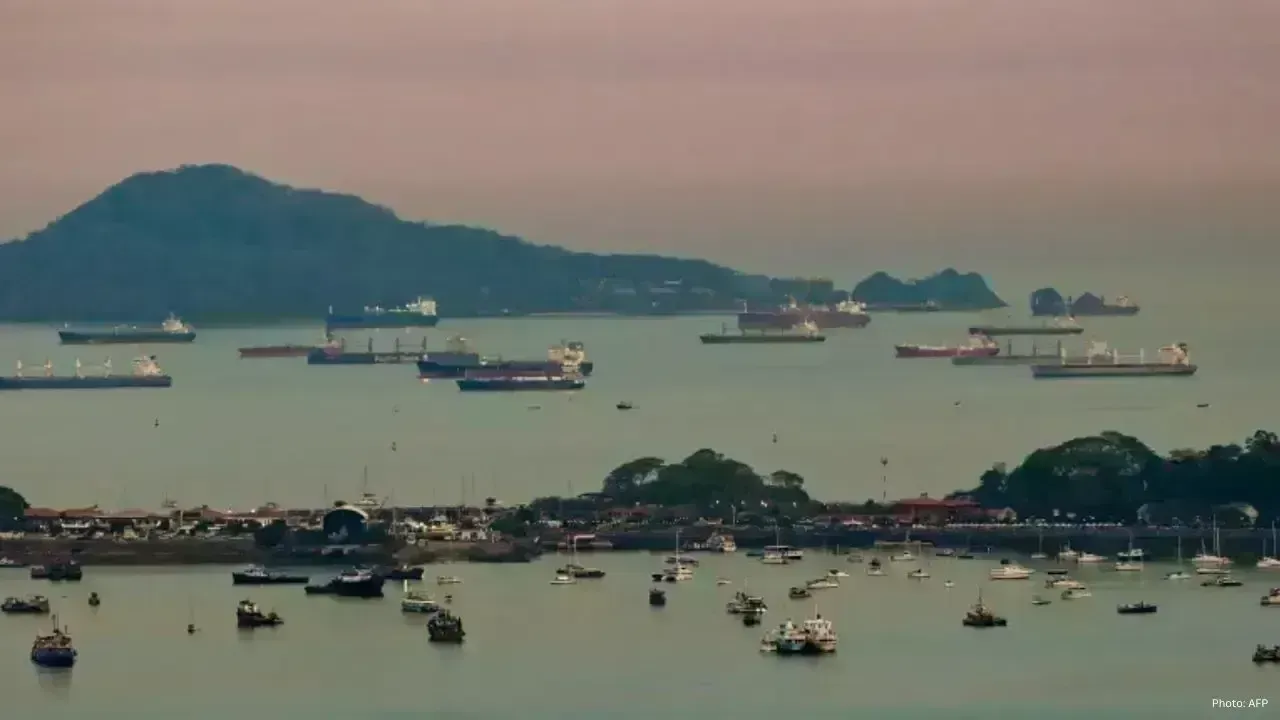
A political and economic standoff has emerged surrounding the Panama Canal, a vital artery for global commerce, drawing the attention of the United States, China, and several Latin American countries. The recent situation, provoked by China's response to developments at the canal, underscores the growing impact of international rivalries on crucial trade routes.
The conflict originated from escalating controversies over the management of ports associated with the canal, which channels about 5% of global trade. Given its significance, any political turbulence over these operations quickly becomes an international concern.
Recent reports indicate China's strong reaction due to complications involving a Hong Kong-based company tied to port activities near the canal. This situation intensified when Panama's judicial and governmental decisions influenced the company's contract terms. China voiced suspicion over these moves, labeling them as politically charged and unjust.
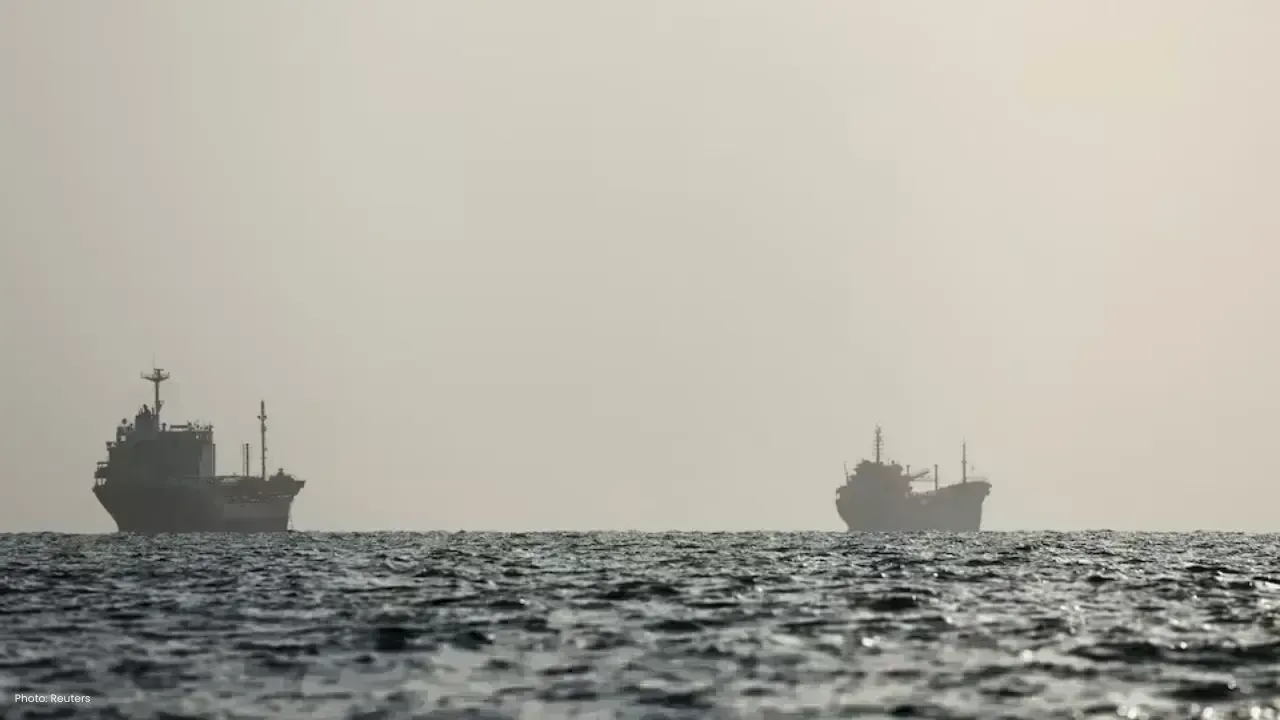
Furthermore, the Chinese stance was not solely rhetorical. Reports revealed that actions like increased inspections and the detention of ships under the Panamanian flag were perceived by the U.S. as retaliatory tactics. American officials are worried such measures could be attempts to coerce Panama into specific decisions regarding the canal.
The United States has responded assertively, accusing China of leveraging economic influence and maritime maneuvers to infringe upon Panama's sovereignty and obstruct global trade mechanisms. They contend that the Panama Canal ought to operate free from external political pressures and adhere to transparent international protocols.
In solidarity with the U.S., multiple Latin American nations have voiced their apprehensions. Together, they issued a statement affirming their backing for Panama’s independence and cautioning against any outside interventions that could undermine this autonomy. They stressed that the canal is more than a national asset; it’s a key component of the global trading system that requires stability and neutrality.
This confrontation serves as a microcosm of broader geopolitical tensions between the U.S. and China. Over the last twenty years, China has sought to expand its operations in Latin America via trade deals, infrastructure development, and shipping alliances. In contrast, the U.S. is focused on preserving its longstanding influence, viewing China's maneuvers as a significant strategic threat.
The Panama Canal symbolizes this ongoing geopolitical rivalry vividly. Control over adjacent ports and shipping lanes is as much about economic advantage as it is about power in the international arena. Enhanced access to these routes can shift balances in trade and political relations.
For Panama, the implications of this situation are particularly delicate. The nation strives to maintain a diplomatic balance between these two major powers while safeguarding its legal framework and autonomy. However, increasing pressures from both sides complicate its quest for neutrality.
Analysts argue that this conflict is indicative of a broader phenomenon where global trade routes become strategic geopolitical tools. Economic policies, legal judgments, and navigation regulations are increasingly interpreted through the lens of international competition.
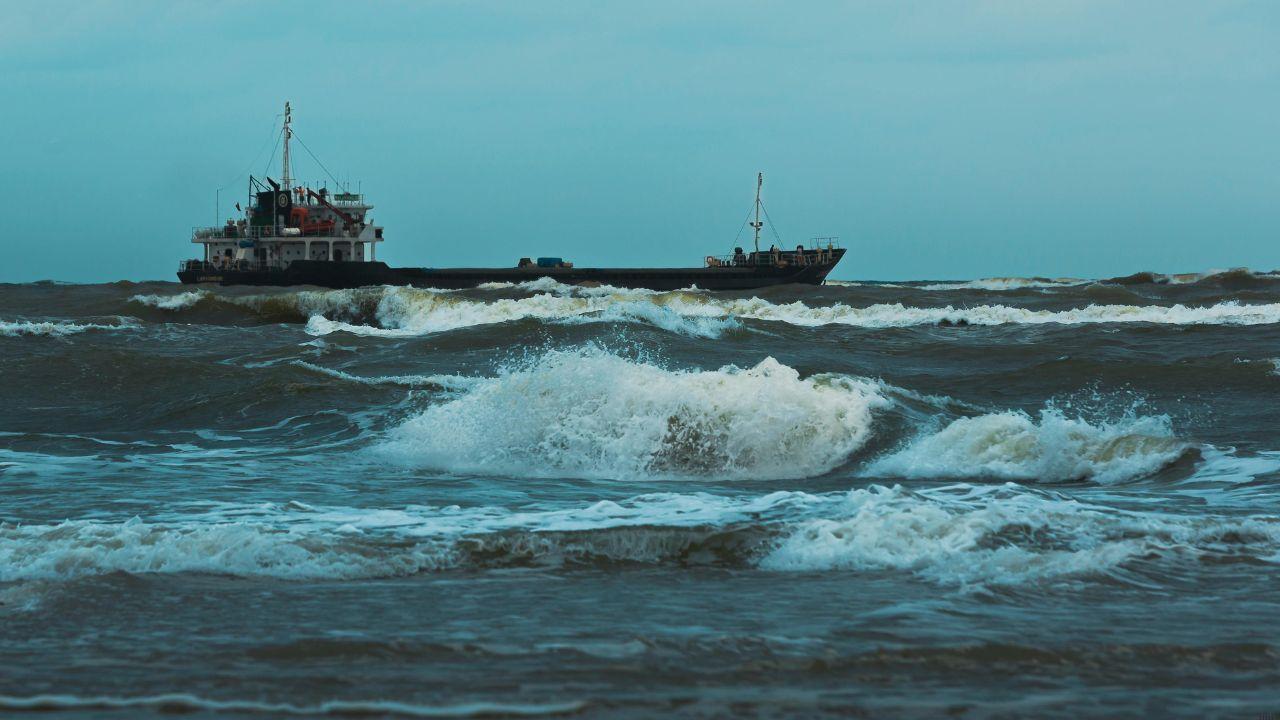
Concerns are escalating that continued tensions could disrupt global shipping operations. Any instability in the operation of the Panama Canal could lead to trade slowdowns, heightened shipping costs, and ramifications for supply chains worldwide.
To conclude, the escalating tensions regarding China's stance alongside the criticisms from the U.S. and Latin American countries highlight the intricate connections binding global politics to trade dynamics. Once merely an engineering feat, the Panama Canal has evolved into a symbol of contemporary power struggles. The resolution of this situation may hinge on whether diplomatic channels can mend divisions, or if global trade corridors will further fracture due to political strife.


 English