Post by : Mariam
Al-Faris
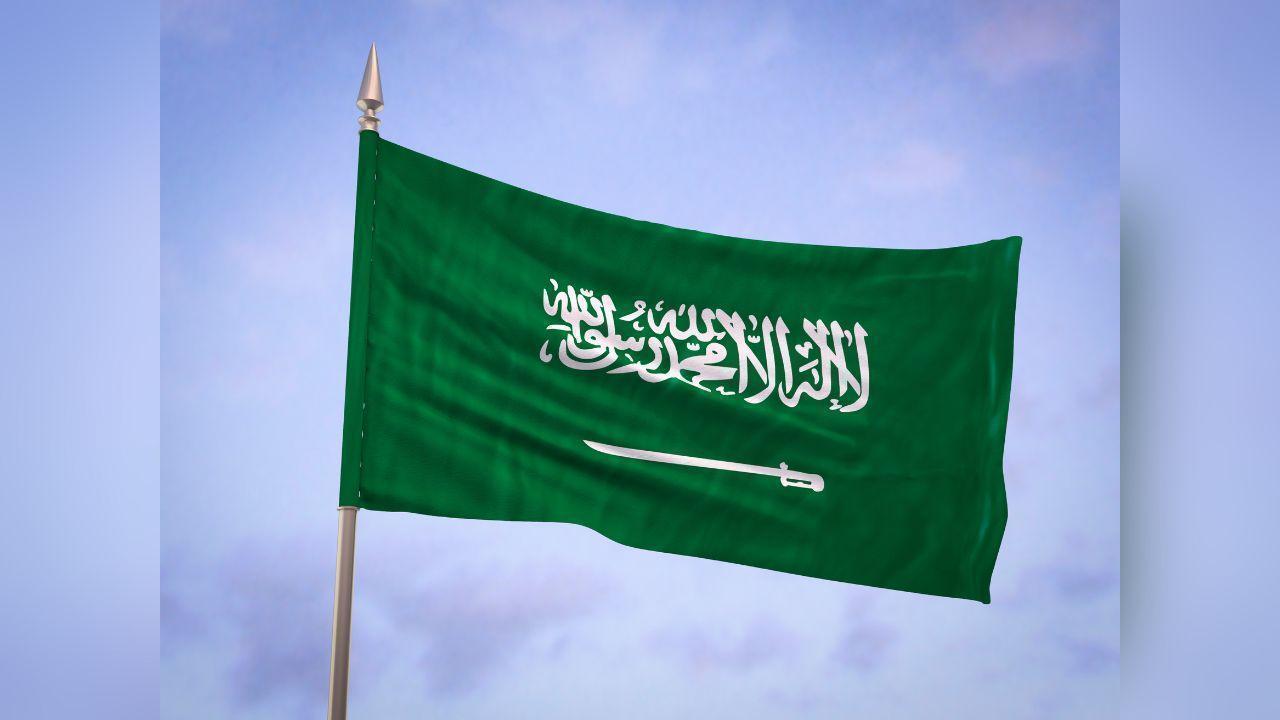
Fitch Ratings, an important global credit rating agency, has confirmed that the Kingdom of Saudi Arabia has kept its 'A+' credit rating. This means Fitch believes that Saudi Arabia is in a strong financial position and is doing well in managing its economy. Fitch also gave the country a Stable Outlook, which means that Saudi Arabia is not expected to have major financial problems in the near future.
This is good news for the Kingdom because it shows the world that its economy is trustworthy and that the country is managing its finances carefully and responsibly.
Why Credit Ratings Matter
A credit rating is like a report card for a country’s economy. It tells the world how well a country can manage its debts and how safe it is for investors to lend money or do business there. A high credit rating like 'A+' means that Saudi Arabia is a low-risk country in terms of paying its debts and keeping its economy stable.
When a country has a good rating, it can borrow money more easily and at lower interest rates. It also helps bring in foreign investments because investors trust the country’s financial stability.
Fitch Praises Saudi Arabia’s Economy
In its official report, Fitch said that Saudi Arabia’s economy is in a strong position. One of the biggest reasons for this is the Kingdom’s low debt compared to its GDP (Gross Domestic Product). This is called the debt-to-GDP ratio.
The debt-to-GDP ratio shows how much a country owes compared to how much money it makes in a year. A lower number means the country is not borrowing too much and can handle its debts easily. Fitch said Saudi Arabia’s ratio is better than most countries in the same rating group.
Strong Net Foreign Assets
Fitch also pointed out that Saudi Arabia has strong net foreign assets. These are financial assets that the government owns outside the country, such as foreign currency, investments, and savings in other banks.
These assets are important because they act as a safety net. If oil prices drop or there is a global crisis, these reserves can help Saudi Arabia keep its economy stable. Fitch sees these foreign assets as one of the country’s biggest strengths.
Assets Will Stay High Through 2027
Fitch believes that Saudi Arabia’s net foreign assets will stay high over the next few years. According to the report, these assets are expected to reach 35.3% of the country’s GDP by 2027. That is a very large amount compared to other countries with similar ratings.
For example, countries in the same rating group usually have only about 3.1% of GDP in foreign assets. This means Saudi Arabia is far ahead, and this adds more confidence in its economy and credit status.
Large Reserves Help the Economy
Saudi Arabia also has large reserves of financial savings, such as deposits and other public sector assets. These reserves give the government money to use in emergencies. This is another big reason why Fitch kept the credit rating high.
If something unexpected happens, like a drop in oil prices or a global crisis, Saudi Arabia can use these savings to keep running its government and services without needing to borrow more money.
Saudi Arabia’s Smart Reforms
Fitch also highlighted the fiscal reforms that Saudi Arabia has been working on. These are changes the government is making in the way it spends and earns money. The main goal of these reforms is to reduce the country’s dependence on oil and to make the national budget stronger and more flexible.
These changes help Saudi Arabia stay strong even when oil prices are low, which has happened many times in the past. With a more balanced budget, the Kingdom can plan better for the future.
Growth in Non-Oil Revenues
One of the biggest improvements Fitch noticed was the increase in non-oil revenues. Saudi Arabia has been working hard to earn more money from other sectors like tourism, entertainment, mining, technology, and renewable energy. This is part of the country’s Vision 2030 plan, which aims to build a strong, modern economy that doesn’t rely only on oil.
Fitch sees this effort as a good sign. A country that has different sources of income is safer and more stable than one that depends too much on one thing, like oil.
Vision 2030 Plays a Big Role
Saudi Arabia’s Vision 2030 is a long-term plan to modernize the economy and make it more sustainable. This includes building new cities like NEOM, supporting small businesses, improving education, and creating jobs for young people.
These actions make the economy more diverse and give more people a chance to contribute to the country's growth. Fitch sees these developments as positive steps that support the 'A+' rating and show that the government is working hard for a better future.
Stable Outlook Means Future Looks Good
The Stable Outlook Fitch gave to Saudi Arabia means that things are not expected to get worse anytime soon. It means the country’s economy is in a good position and the government is making smart financial decisions.
This is especially important now, as many countries around the world are facing financial difficulties. Saudi Arabia’s ability to keep its high rating and a stable future outlook is a sign of strong leadership and smart planning.
What This Means for Investors
For investors around the world, this rating sends a clear message: Saudi Arabia is a safe and smart place to invest money. Whether it's building new factories, funding projects, or lending money to the government, investors can trust that Saudi Arabia will manage its finances well and honor its agreements.
This will help the country attract more money from abroad, which can support more growth, jobs, and innovation.
A Positive Signal
The Fitch report shows that Saudi Arabia is on a strong path forward. The country is not just depending on oil anymore. It is saving money, managing debt carefully, and planning smart reforms.
Keeping the 'A+' rating with a Stable Outlook is a clear sign that the world sees Saudi Arabia as financially responsible and economically strong. It’s good news for the government, for the people, and for businesses looking to grow in the Kingdom.


 English