Post by : Mariam
Al-Faris
Photo: SPA
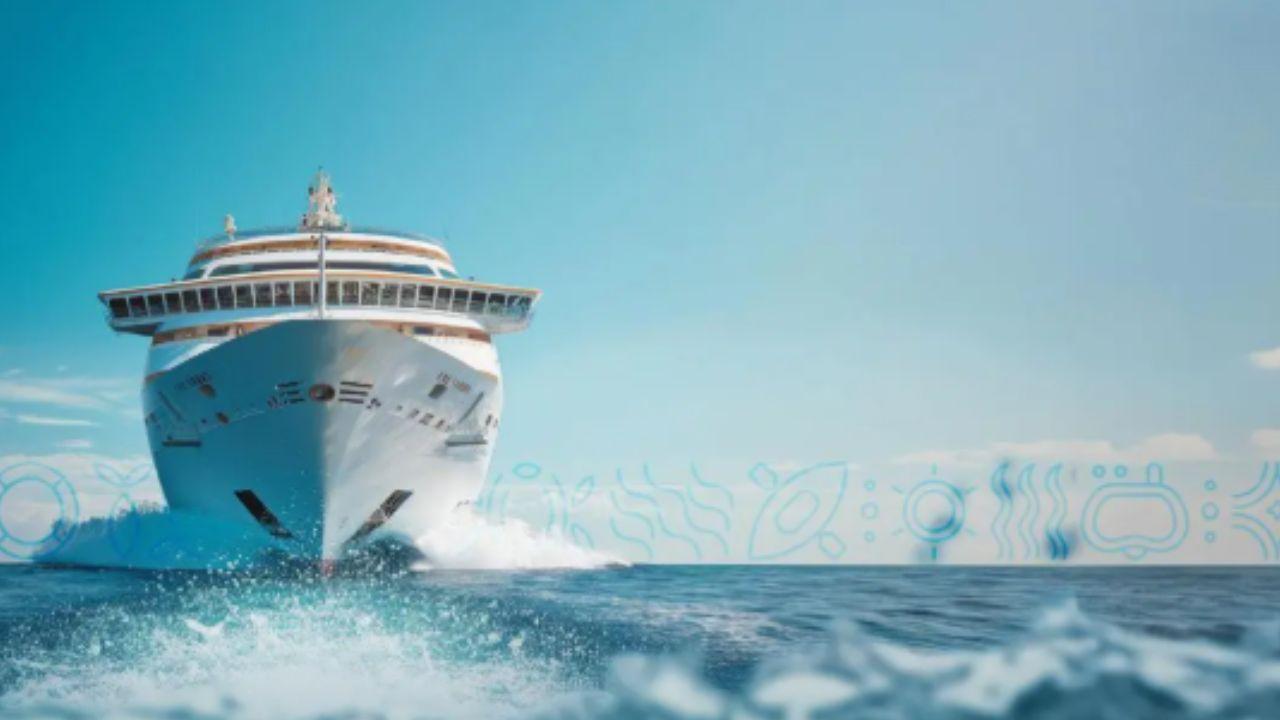
Saudi Arabia has taken a major step forward in its tourism journey by launching its first-ever official framework for cruise ship operations. The announcement was made by the Saudi Red Sea Authority (SRSA), which is responsible for overseeing maritime tourism along the Red Sea coast.
This new framework includes detailed rules and standards to make cruise travel in Saudi waters safe, secure, enjoyable, and environmentally friendly. It supports the country’s larger goal to become one of the leading global maritime and tourism destinations as part of its Vision 2030 initiative.
Let’s take a closer look at what this new cruise policy means for Saudi Arabia, its people, tourists, and the environment.
Why This Framework Matters
Saudi Arabia is rapidly developing its tourism industry to attract international travelers and reduce its reliance on oil. Cruise tourism, especially along the scenic Red Sea coast, plays an important role in this effort.
Until now, the kingdom did not have a comprehensive set of rules for cruise operations. With the growing number of cruise ships arriving and the government's heavy investment in maritime infrastructure, clear guidelines became essential.
The new cruise framework is designed to:
-
Ensure passenger safety and satisfaction
-
Protect the Red Sea’s marine environment
-
Offer clear regulations for cruise operators and ports
-
Promote investment and build global confidence in Saudi Arabia’s tourism sector
Clear Rules for Cruise Operators and Ports
The framework sets out specific responsibilities for everyone involved in cruise tourism — including ship operators, shipping agents, and port authorities.
It explains how cruise operators can:
-
Apply for and obtain the required licenses and permits
-
Meet technical and operational standards
-
Stay in line with international maritime laws and agreements
This step-by-step process is aimed at simplifying operations, increasing efficiency, and making sure all cruise activities in Saudi waters follow strict rules that protect both passengers and the sea.
For port operators and agents, the guidelines help build consistency and improve coordination, which is essential as the country prepares for an increasing number of cruise visits in the coming years.
Strong Focus on Passenger Safety
One of the main priorities of this new framework is ensuring the safety of passengers and crew members onboard cruise ships.
The guidelines require every cruise operator to:
-
Develop and maintain emergency response plans
-
Conduct regular safety drills and training for the ship’s crew
-
Keep onboard medical staff, first-aid kits, and life-saving equipment at all times
These safety measures must follow international standards, giving travelers peace of mind that their health and well-being are in good hands while cruising through Saudi waters.
In case of emergencies, the framework ensures there are clear procedures in place to provide fast and professional responses, minimizing any risks during the journey.
Environmental Protection at the Heart of the Rules
Saudi Arabia’s Red Sea coast is known for its rich marine biodiversity, coral reefs, and pristine waters. Recognizing its value, the SRSA made environmental protection a central part of the new cruise guidelines.
Every cruise ship operating in Saudi waters is required to:
-
Implement an integrated waste management plan
-
Treat wastewater properly before release
-
Follow a strict zero-discharge policy — meaning no waste can be dumped directly into the sea
Additionally, all cruise operators must follow international environmental agreements like:
These rules are aimed at preserving the natural beauty of the Red Sea, which is considered a national treasure and a major attraction for tourists.
By forcing ships to meet global standards, Saudi Arabia is making sure its seas remain clean, sustainable, and suitable for marine life and eco-tourism in the long run.
Enhancing the Tourist Experience
Besides safety and environmental care, the new framework focuses heavily on making tourists feel welcomed, comfortable, and valued throughout their journey.
Cruise companies and ports must now provide:
-
High-quality services such as transportation, entertainment, meals, and accommodation
-
Clear and accessible information in multiple languages
-
Fast and fair solutions in case of changes to the cruise schedule
-
Effective complaint-handling systems to resolve issues quickly
These standards aim to ensure that every tourist — whether it’s their first cruise or tenth — has a positive and reliable experience in Saudi Arabia.
From the moment passengers board a ship to the moment they leave, they should feel safe, respected, and satisfied with the services provided. This also encourages more positive reviews and future tourism growth.
Boosting Global Tourism Confidence
With this announcement, Saudi Arabia is signaling to the world that it is ready to compete with global cruise destinations like the Mediterranean, the Caribbean, and Southeast Asia.
The country’s heavy investments in:
All show that the leadership is serious about turning Saudi Arabia into a modern, sustainable, and tourist-friendly country.
These new cruise rules show that the kingdom is willing to match global best practices, making it easier for international cruise lines to add Saudi ports to their itineraries.
Part of Vision 2030’s Bigger Picture
This framework is not just a tourism update — it is a part of a much larger national transformation plan.
Saudi Arabia’s Vision 2030 aims to:
-
Diversify the economy beyond oil
-
Increase the number of foreign tourists
-
Create new job opportunities for Saudis in the tourism and service sectors
-
Promote a positive global image of Saudi Arabia as open, safe, and welcoming
By ensuring the cruise industry operates with high standards and a people-first approach, this framework is helping turn that vision into reality.
A Sustainable Step Forward
With the launch of this detailed cruise ship operations framework, Saudi Arabia has taken a historic and strategic step toward a sustainable tourism future.
By focusing on:
-
Passenger safety
-
Clean seas
-
Top-quality service
-
And clear regulations
The kingdom is preparing itself for a new era of responsible and enjoyable travel.
The rules are not just about ships and ports — they are about people. They protect travelers, empower businesses, and protect nature, ensuring that Saudi Arabia’s Red Sea remains one of the most unique and attractive destinations in the world.


 English