Post by : Mariam
Al-Faris
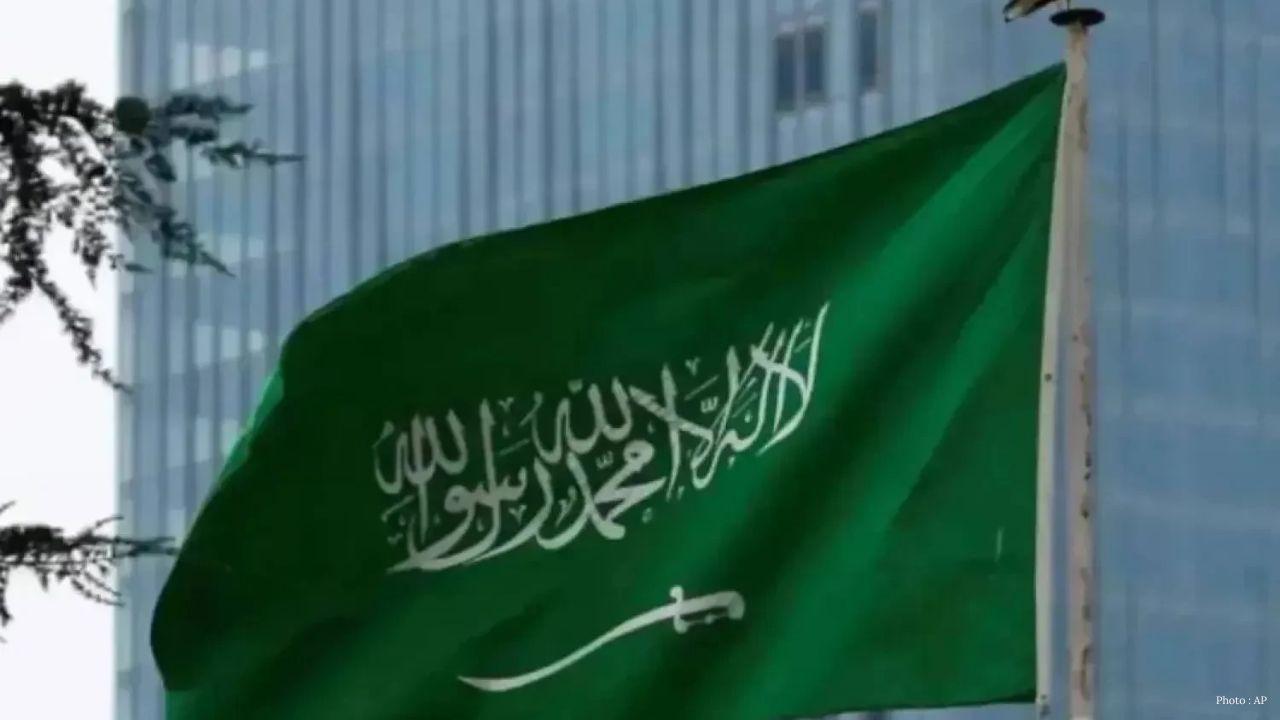
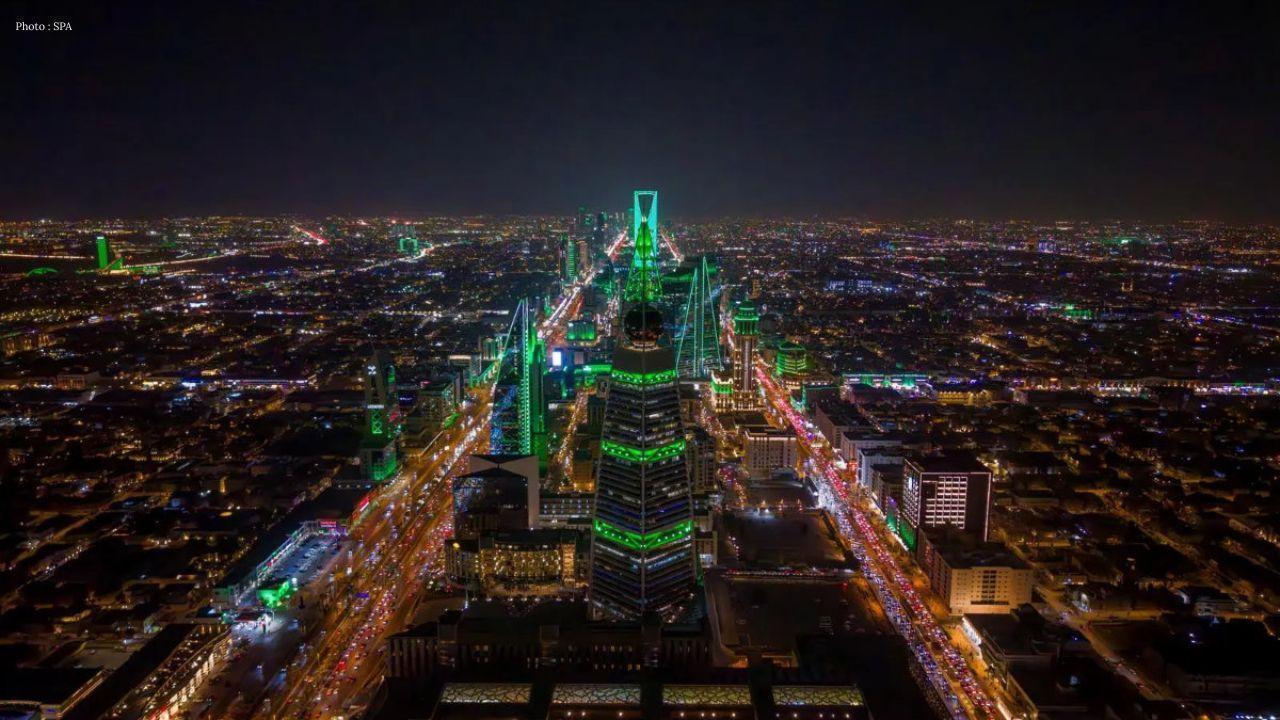
Minister of Industry and Mineral Resources, Bandar Alkhorayef, spoke at the 3rd Saudi International Iron and Steel Conference in Riyadh. He highlighted the strong growth of Saudi Arabia’s iron sector and the wide investment potential across seven key product areas, valued at over SAR60 billion. The conference saw the participation of Egypt’s Deputy Prime Minister for Industrial Development, Kamel Al-Wazir, and other senior industry and mining officials.
Role of Iron Sector in Saudi Vision 2030
Alkhorayef emphasized that Saudi Vision 2030 aims to diversify the national economy, expand production, and increase the private sector’s contribution to 65% of GDP. The plan also targets boosting non-oil exports to 50% of non-oil GDP. The iron sector is a key part of achieving these goals, helping drive economic growth and diversification.
National Steel Sector Restructuring Plan Approved
The minister announced that the National Steel Sector Restructuring Plan, approved in August 2024, serves as a roadmap for developing and sustaining the steel industry. The plan includes updating policies and regulations to improve competitiveness and attract further investment in high-value iron and steel products.
Market Analysis Confirms Investment Opportunities
A study by the Industrial Center reviewed domestic iron consumption, import volumes, and product specifications. The research confirmed strong market demand and highlighted opportunities for qualitative investments to enhance competitiveness and support the localization of the steel value chain.
Ministerial Discussion on Steel Value Chain
Alkhorayef participated in a ministerial fireside chat titled “Enabling steel value chain localization in support of economic growth and diversification.” He discussed three pillars for sector growth: projected demand from priority industries, Saudi Arabia’s strategic advantages, and the transition toward green metals production.
Focus on Strategic Advantages
Saudi Arabia’s location, connecting three continents, competitive energy costs, and advanced infrastructure make it a strategic hub for steel production. These factors are expected to support increased demand and investment in local iron and steel manufacturing.
Green Metals Production and Sustainability Goals
The Kingdom is prioritizing renewable energy in steel production. Alkhorayef stated that Saudi Arabia aims to achieve a 50% share of renewable energy in total power generation by 2030, supporting environmentally sustainable iron and steel manufacturing.
Production Targets and Sector Challenges
Currently, Saudi Arabia imports 4 million tons of iron ore annually. By 2035, the nation plans to increase total iron production to 25 million tons. The sector faces challenges such as surplus rebar production, limited capacity for high-value products, and import competition, which has exceeded twice the local production capacity for flat steel products.
The conference highlighted the Kingdom’s commitment to supporting the iron and steel industry through investments, policy improvements, and sustainability initiatives. These efforts are expected to create new opportunities for local industries, investors, and the global market, aligning with Saudi Vision 2030.


 English