Post by : Bianca
Haleem
Saudi Arabia is intensifying its involvement in Yemen by deploying political influence and billions of dollars in financial support to strengthen the internationally recognized Yemeni government and stabilize the war-torn nation. The move follows the withdrawal of the United Arab Emirates from Yemen late last year and signals Riyadh’s renewed focus on regional leadership after years spent prioritizing domestic economic reforms.
According to multiple officials familiar with the matter, the Kingdom is attempting to consolidate control in southern Yemen by uniting divided armed factions, tribal forces, and political groups under a single structure aligned with the Yemeni government it supports. At the same time, Saudi Arabia is injecting large sums of cash into state institutions to prevent economic collapse and ensure the continued functioning of civil administration.
Nearly $3 Billion Budgeted for Salaries
Officials from Yemen and Western diplomatic circles indicate that Saudi Arabia has allocated nearly $3 billion this year to pay the salaries of Yemeni civil servants and security personnel. The package reportedly includes about $1 billion earmarked for southern fighters who were previously funded by Abu Dhabi before the UAE stepped back from direct involvement.
Yemeni Information Minister Muammar Eryani confirmed Saudi cooperation in salary support, stating that the assistance would help reorganize armed groups and bring them under formal state authority. While he did not disclose precise figures, he emphasized that the funding is crucial for restoring institutional order.
This financial backing is seen as an effort to create a success model in government-controlled areas, particularly in the south, which could increase pressure on the Iran-aligned Houthi movement that controls significant territory in northern Yemen, including the capital, Sanaa.
Balancing Carrots and Pressure
Beyond financial aid, Saudi Arabia is also offering political incentives. Officials say Riyadh has privately indicated openness to the idea of a future southern Yemeni state — a long-standing aspiration among separatist factions — but only after the conflict with the Houthis is resolved and national consensus is achieved, potentially through a referendum.
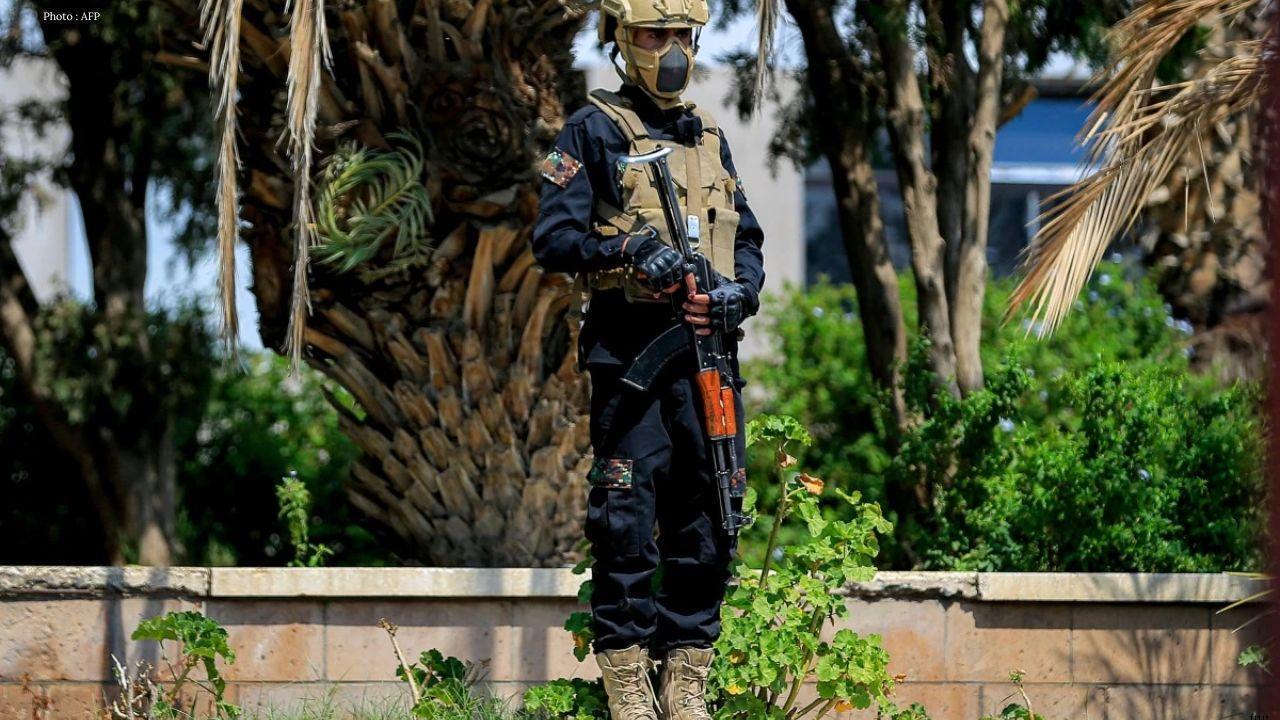
At the same time, Saudi authorities have used firm measures against individuals perceived as undermining unity efforts. Reports suggest that certain Yemeni officials faced dismissal or temporary detention following disagreements over military responses and internal rivalries. These actions underscore Riyadh’s determination to centralize command structures and prevent fragmentation among anti-Houthi forces.
Rivalry With the UAE Shapes Strategy
The shift also reflects growing competition between Saudi Arabia and the UAE for influence in regional conflict zones. After years of joint operations in Yemen, the Emirati withdrawal left Saudi Arabia as the primary external actor shaping developments on the ground. Emirati officials have stated that their country is no longer directly involved in Yemen, though they highlighted past humanitarian and security contributions.
In December, clashes between Saudi-backed units and Emirati-supported separatist groups exposed tensions between the two Gulf powers. Since then, Riyadh has pursued a reconciliation approach, inviting separatist leaders for talks, covering travel and accommodation expenses, and encouraging dialogue aimed at alignment under a Saudi-led framework.
Economic Strain at Home, Security Concerns Abroad
Saudi Arabia’s expanded spending comes at a time when its own budget faces pressure from fluctuating oil prices and ambitious domestic megaprojects. However, analysts argue that instability along the Kingdom’s 1,800-kilometer border with Yemen presents a direct security risk that cannot be ignored. Past Houthi drone and missile attacks on Saudi energy facilities demonstrated the potential economic fallout of regional unrest.
Experts believe Riyadh views the current investment as a long-term security measure rather than short-term aid. By funding salaries, energy support, and development initiatives, Saudi Arabia aims to reduce the appeal of militia recruitment and rebuild public institutions that have eroded during nearly a decade of conflict.
A Fragile Truce and an Uncertain Timeline
Despite a ceasefire that has largely held since 2022, Yemen remains deeply divided. Southern factions disagree over independence versus unity, while the Houthis maintain strong control in the north. Saudi officials have reportedly expressed hope that meaningful progress toward conflict resolution could emerge by the end of the year, though many observers consider that timeline optimistic.
Negotiations over Yemen’s future political structure — including the possibility of a southern referendum — could take years. Meanwhile, dismantling the entrenched war economy and restoring civilian life remains an even greater challenge.
Human Cost Remains High
For ordinary Yemenis, the prolonged conflict has reshaped daily realities. Teachers, civil workers, and young students often face a stark choice between poorly paid public sector jobs and better-paid roles with armed groups. In many regions, a fighter can earn several times more than a schoolteacher, creating a cycle that draws youth away from education and into militarized livelihoods.
Analysts warn that without sustained economic reform and political reconciliation, financial injections alone will not secure lasting peace. While Saudi Arabia’s strategy may bring temporary stability and stronger administrative control in government-held territories, Yemen’s long-term recovery will depend on inclusive negotiations, institutional rebuilding, and opportunities that allow its citizens to envision a future beyond war.


 English