Post by : Bianca
Haleem
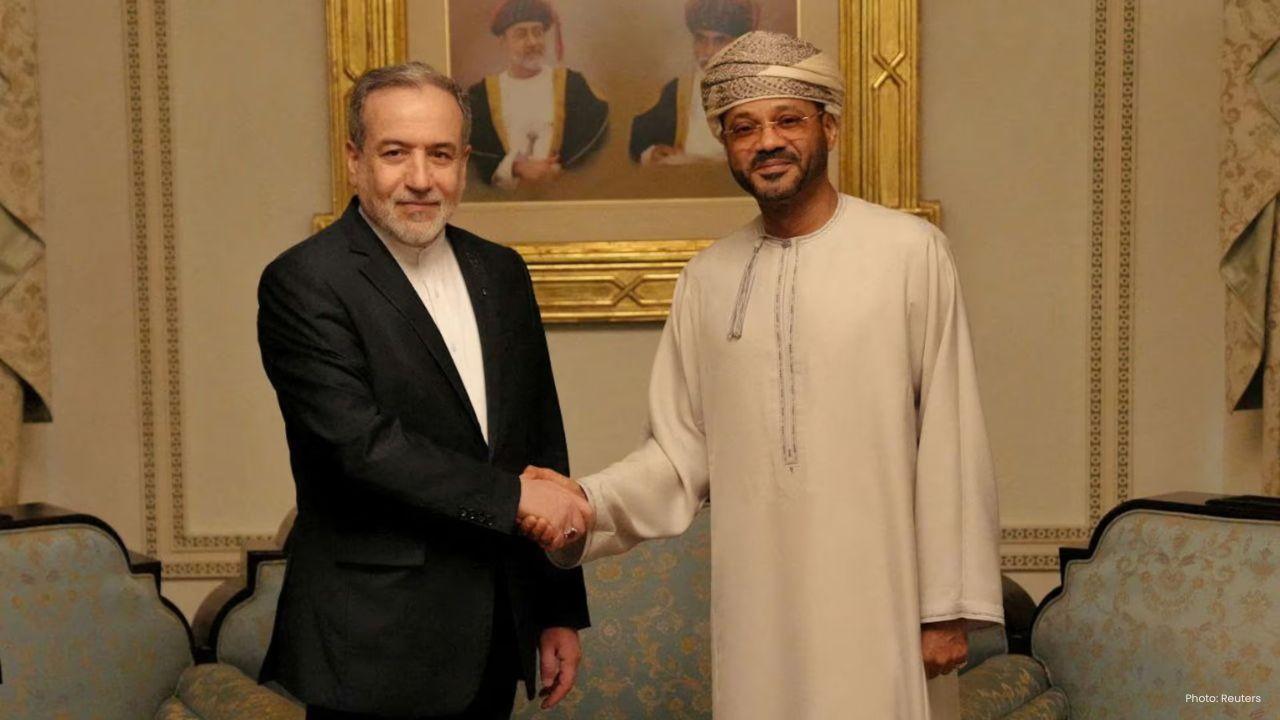
High-stakes negotiations between Iran and the United States have begun through Omani mediation, aiming to revive diplomacy over Tehran’s nuclear programme. However, sharp disagreements over the scope of the talks and growing regional tensions threaten to derail the process before it fully gains momentum.
According to Iranian officials speaking to international media, the negotiations had not formally started at the time of reporting, although Iran’s key demands had already been communicated to Washington through Oman. The discussions are expected to follow an indirect or “shuttle diplomacy” format, where mediators move messages between both sides rather than direct face-to-face meetings. This method has been used in previous rounds of US-Iran engagement and is seen as a way to maintain dialogue while avoiding political sensitivities.
Dispute Over Expanding the Agenda
While both Tehran and Washington have publicly expressed willingness to reopen diplomatic channels, their priorities remain significantly different. The United States is seeking to widen the scope of the negotiations beyond nuclear enrichment. American officials have indicated they want discussions to include Iran’s ballistic missile programme, its alleged support for armed groups across the Middle East, and concerns over domestic human rights issues.
Iran, however, has firmly rejected the idea of expanding the agenda. Iranian leaders insist that the negotiations must focus strictly on nuclear matters and sanctions relief. Tehran views its missile programme as a core element of national defence and has repeatedly described it as a “non-negotiable red line.” Any attempt to bring military capabilities into the talks is seen in Iran as an infringement on its sovereignty and security strategy.
Diplomatic sources close to the Iranian government have also warned that the presence of US regional military officials or representatives from American Central Command in the discussions could jeopardise the entire process. Iran prefers a strictly diplomatic framework led by foreign ministers and envoys rather than military figures.
Role of Oman and Indirect Diplomacy
Oman continues to play a crucial mediating role, acting as a neutral bridge between the two countries. Muscat has historically hosted sensitive regional talks and is trusted by both Washington and Tehran. The indirect nature of the discussions reflects the deep mistrust that still defines US-Iran relations, even when both sides acknowledge the need for dialogue.
Meetings are expected to involve senior diplomats rather than heads of state, with mediators relaying proposals and counter-proposals. This format reduces public pressure while allowing room for compromise behind closed doors.
Military Tensions Add Pressure
The diplomatic efforts are unfolding against a backdrop of heightened military tension in the region. Tehran’s leadership remains concerned about the possibility of military strikes following recent naval deployments by the United States near Iranian waters. American officials have described the buildup as a strategic presence rather than an immediate threat, but Iranian authorities view it as pressure tactics intended to force concessions.
Earlier this year, the United States joined the final stages of an Israeli military campaign that targeted Iranian nuclear facilities. In the aftermath, Iran announced a temporary halt to certain enrichment activities, though Western governments remain sceptical about the long-term implications of that move.
Simultaneously, Washington has warned that failure to reach an agreement could lead to serious consequences. Public statements from US officials have emphasised that diplomacy remains the preferred route, yet they have also underlined that military options remain available if negotiations collapse. Such remarks have added urgency to the talks while also increasing anxiety across the region.
Missile Programme Remains a Flashpoint
One of the most sensitive sticking points is Iran’s ballistic missile capability. Tehran possesses one of the largest missile arsenals in the Middle East and considers it a critical deterrent. Just hours before the latest diplomatic exchanges, Iranian state media reported the deployment of an advanced long-range ballistic missile at an underground military site, a move widely interpreted as a signal of defiance.
Western powers and Israel argue that Iran’s missile development is closely linked to its nuclear ambitions and poses a direct security risk. Iranian officials counter that their military capabilities are purely defensive and unrelated to nuclear weaponisation. This deep divide continues to complicate efforts to reach a comprehensive agreement.
Sanctions Relief and Uranium Enrichment
Despite strong rhetoric on defence matters, Iranian negotiators have signalled limited flexibility on uranium enrichment levels. Reports suggest Tehran may consider transferring a portion of its highly enriched uranium stockpile and exploring consortium-based enrichment arrangements under international supervision. However, Iran maintains that its right to peaceful nuclear enrichment cannot be entirely relinquished.
Sanctions relief remains another major demand from Tehran. Economic restrictions reimposed after the United States withdrew from the 2015 nuclear agreement have significantly impacted Iran’s economy. Iranian leaders view the lifting of sanctions as a central condition for any new deal, while Washington insists that compliance and verification must come first.
Regional Impact and Global Concerns
Global powers and neighbouring states are closely monitoring the negotiations, fearing that failure could trigger another military confrontation in the Middle East. The region’s strategic importance to global oil markets means that any escalation would likely have worldwide economic consequences.
Iran has warned that any military strike against its territory would provoke a strong response and could draw neighbouring countries hosting foreign military bases into the conflict. Such statements underline the fragile security environment surrounding the talks.
At the same time, Iran’s regional influence has shifted in recent years due to political and military developments involving its allied groups and neighbouring governments. Analysts note that these changing dynamics may affect Tehran’s negotiating position, potentially pushing it toward limited compromise while still guarding core defence interests.
A Narrow Path Forward
The negotiations in Oman represent a cautious attempt to reopen dialogue after years of distrust, sanctions, and military threats. While both sides recognise the risks of confrontation, their fundamental disagreements over missiles, sanctions, and regional policies remain unresolved.
Diplomats involved in the process describe the situation as delicate but not hopeless. Success will likely depend on whether both countries can separate nuclear issues from broader geopolitical disputes long enough to establish confidence-building measures. Without such progress, fears of renewed instability in the Middle East could quickly overshadow diplomatic optimism.


 English