Post by : Shweta
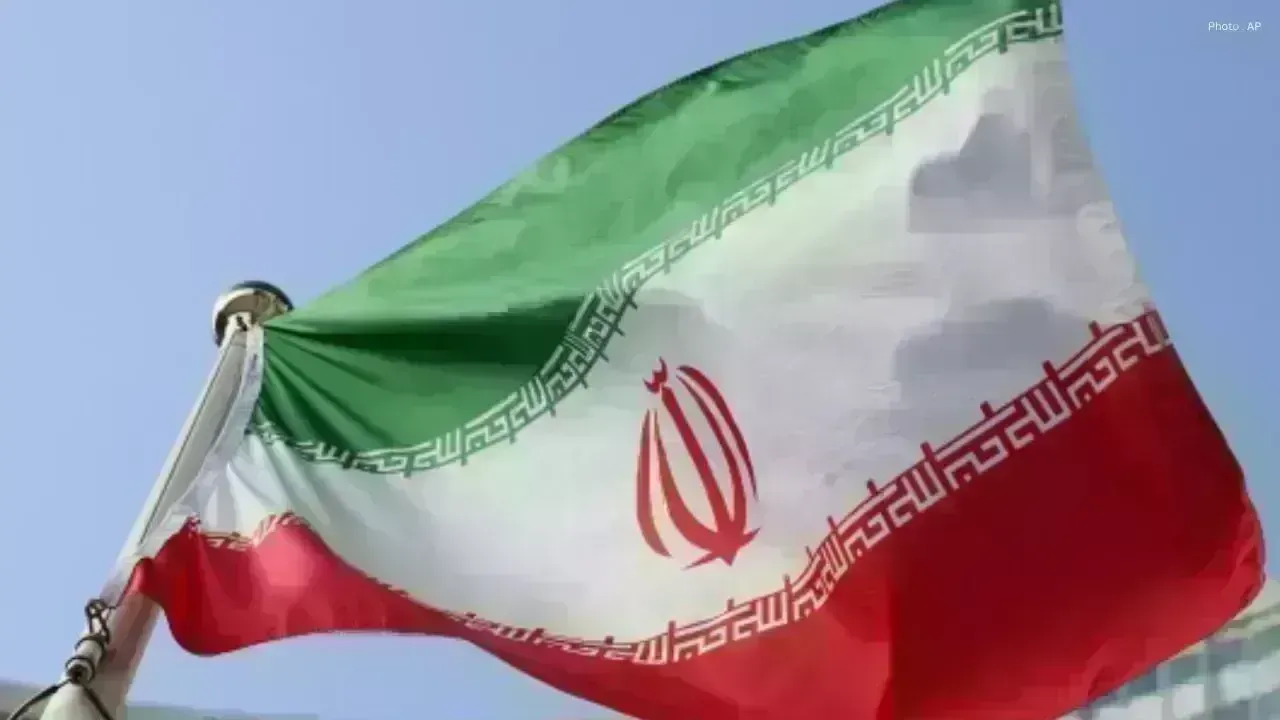
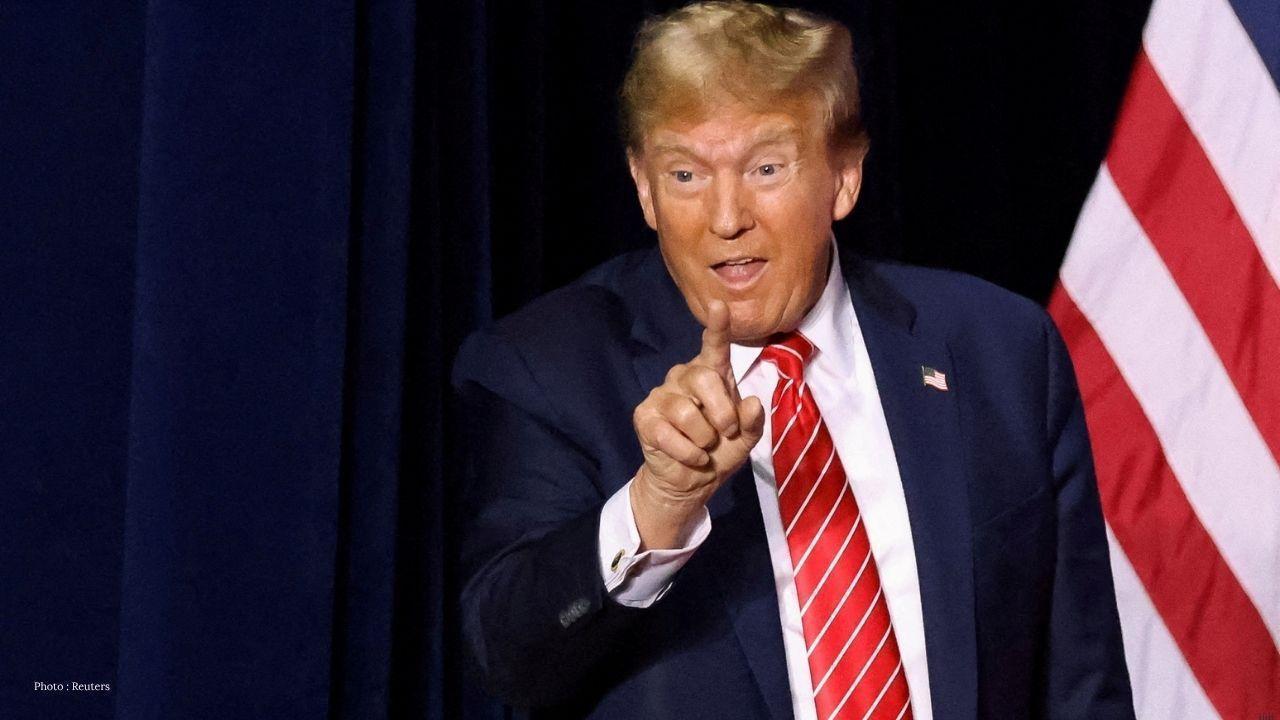
The U.S. Senate has successfully pushed forward a significant resolution regarding war powers, designed to halt American military engagement in Iran unless there is explicit Congressional approval for further actions. This procedural vote witnessed a rare coalition of Republican senators aligning with Democrats, marking a notable challenge to President Donald Trump’s foreign policy.
With a vote tally of 50-47, Republican senators such as Rand Paul, Susan Collins, Lisa Murkowski, and Bill Cassidy teamed up with most Democrats to support this legislation. This measure mandates that the president either secures a congressional nod for ongoing military efforts against Iran or withdraws U.S. troops entirely.
Initiated by Senator Tim Kaine, this resolution emphasizes the constitutional power granted to Congress to declare war. Advocates of the bill argue for the necessity of congressional debate before any long-term military commitment involving U.S. personnel. They express apprehensions regarding the financial burden, potential military risks, and the ambiguous long-term strategies concerning the conflict with Iran.
The discussions come amidst escalating military tensions between the U.S., Iran, and regional partners in the Middle East. Critics assert that President Trump has broadened military operations without adequate input from Congress. Concerns have also been raised about the risk of further regional instability and stress on global energy supplies as a result of prolonged conflict.
Senator Bill Cassidy’s shift in stance drew significant focus as he had previously opposed similar proposals. Reports indicate that Cassidy altered his viewpoint after receiving considerable voter pressure and recognizing the limited information available to Congress regarding military actions linked to Iran.
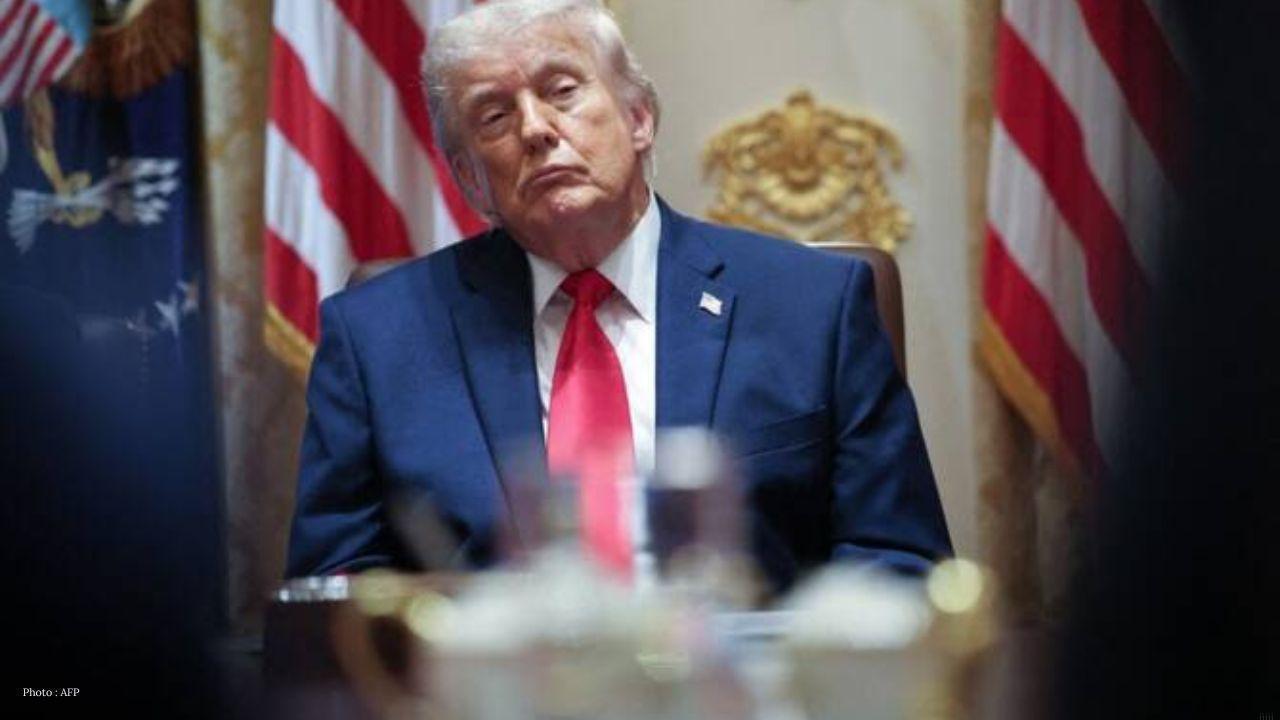
Conversely, Trump supporters argue that firm military responses are essential to curtail Iran's regional ambitions and nuclear capabilities. Administration representatives defend the recent military actions as vital for safeguarding American interests and allies within the Middle East, stressing the possibility for diplomacy while retaining military preparedness.
Political analysts observe that this vote reveals deepening rifts within the Republican Party concerning foreign policy and the powers of the presidency in war initiatives. While a number of Republicans continue to back Trump's strategies, others are increasingly advocating for a greater Congressional role in military decisions abroad.
Despite this advancement in the Senate, significant hurdles remain for the resolution to become law. Approval from the House of Representatives is necessary, and a presidential veto could also be encountered should it reach that stage. Nonetheless, the vote serves as a crucial political indication of the rising bipartisan apprehension regarding ongoing U.S. involvement in the Iranian conflict.


 English