Post by : Bianca
Haleem
During a pivotal two-day visit to New Delhi, Russian President Vladimir Putin is set to redefine India–Russia relations with a focus on energy, defense, and labor mobility. The visit comes at a critical juncture as tensions grow between India and the US, especially with increasing scrutiny of Russian oil imports and the ongoing Ukraine conflict affecting global alliances.
Putin was received with full honors upon his arrival for the annual bilateral summit with Prime Minister Narendra Modi, a long-standing tradition that underscores the strength of their partnership, which this year carries heightened stakes.
Historically allies since the Soviet era, India and Russia now find their partnership influenced by economics, sanctions, and intense global competition. With India's economy expanding rapidly at over 8%, it has become a prime market for Russian exports, particularly affordable crude oil. Prior to the Ukraine crisis, Russian oil accounted for a mere 2.5% of India's imports, but that figure skyrocketed to nearly 35% as India took advantage of reduced prices.
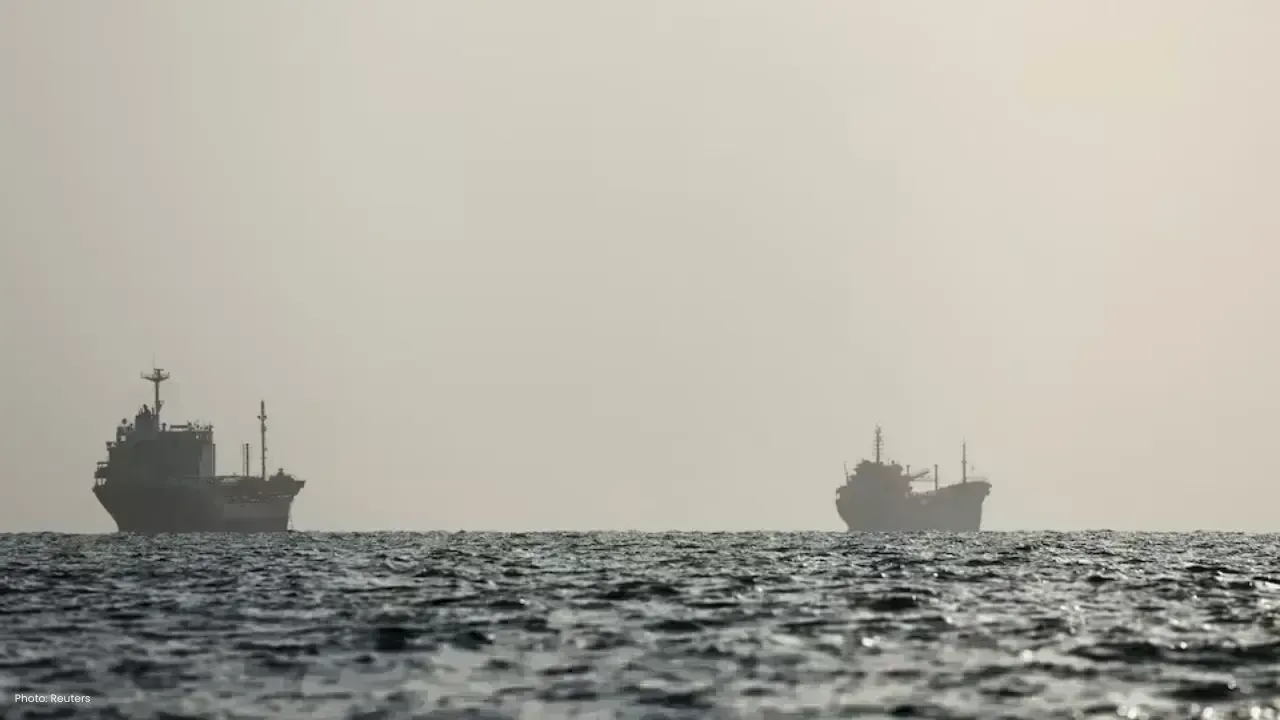
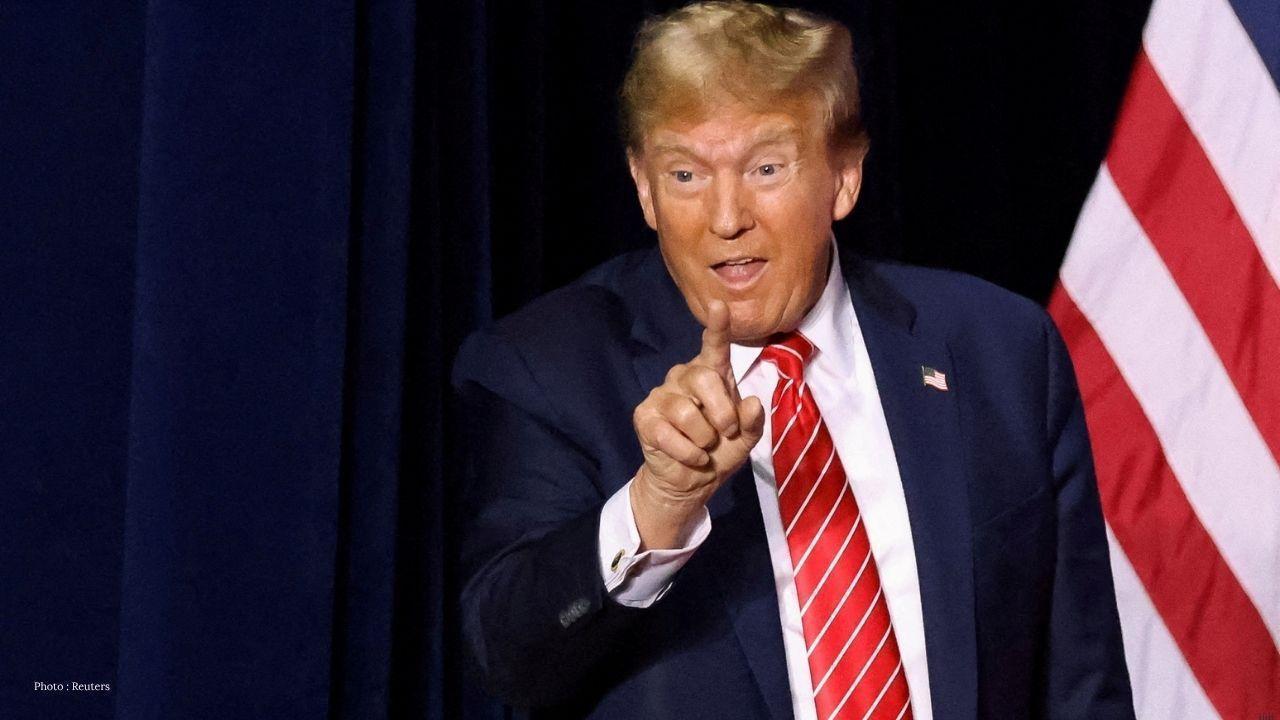
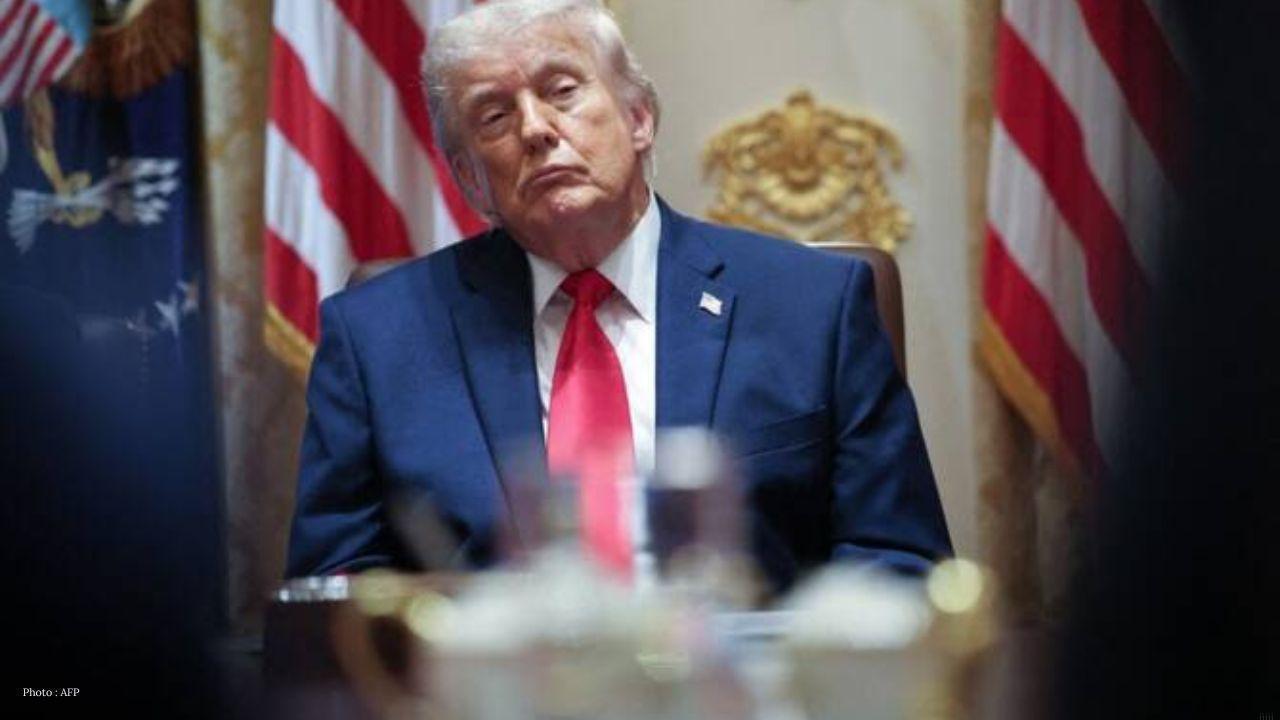
While this surge has benefited Indian refiners, it has created friction with the US. The imposition of a hefty 25% tariff on Indian goods by the Trump administration in retaliation for continued Russian oil purchases forced India to curb its orders. Putin’s current visit aims to reinvigorate that momentum, emphasizing Moscow's desire to maintain its energy ties with India.
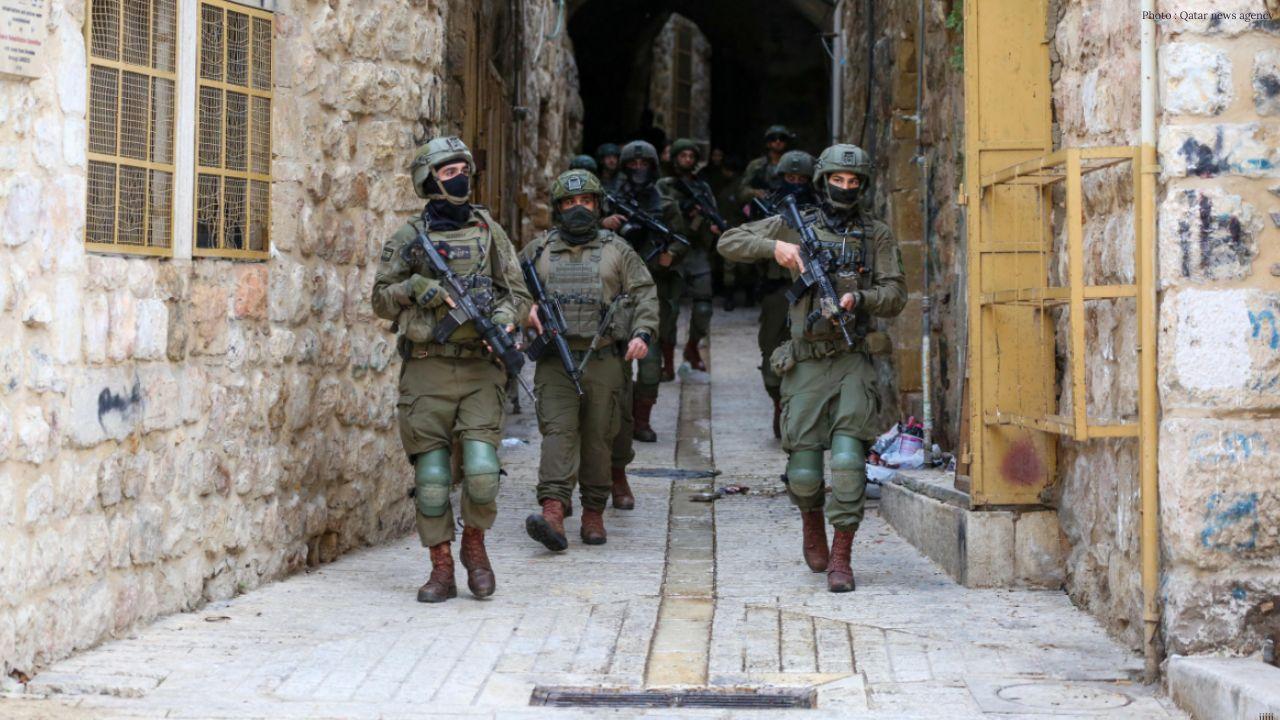
Defense collaborations are also central to the agenda. Russia has been India's principal military supplier for decades, and although India is diversifying its sources, significant Indian military platforms—ranging from Sukhoi-30 fighter jets to S-400 defense systems—remain dependent on Russian technology. In light of Pakistan introducing Chinese fifth-generation jets, India is expected to explore advanced options like the Su-57 and the S-500 system, although ongoing sanctions and supply chain issues from Russia present challenges that Modi is likely to address.
Another pressing issue is the trade imbalance, with bilateral trade exceeding $68 billion, primarily driven by Indian oil imports that favor Russia. New Delhi seeks greater access for Indian goods in Russian markets—including electronics, seafood, and garments—where India has a surprisingly minimal presence.
This visit also serves as a broader geopolitical statement, with the Kremlin attempting to counter Western isolation efforts by positioning itself alongside Modi. Conversely, India aims to host Putin while maintaining strong ties with the US and Europe, reflecting a careful diplomatic balancing act. Both countries are keen to preserve their historical ties amid these complexities.
As formal discussions commence, the summit's focus will center on practical cooperation in areas such as oil trade, defense procurement, trade routes, and labor exchanges, rather than expansive political declarations. The results from this meeting could be crucial in shaping India's strategic autonomy as global alliances evolve at an unprecedented pace.


 English