Post by : Mariam
Al-Faris
Photo: WAM
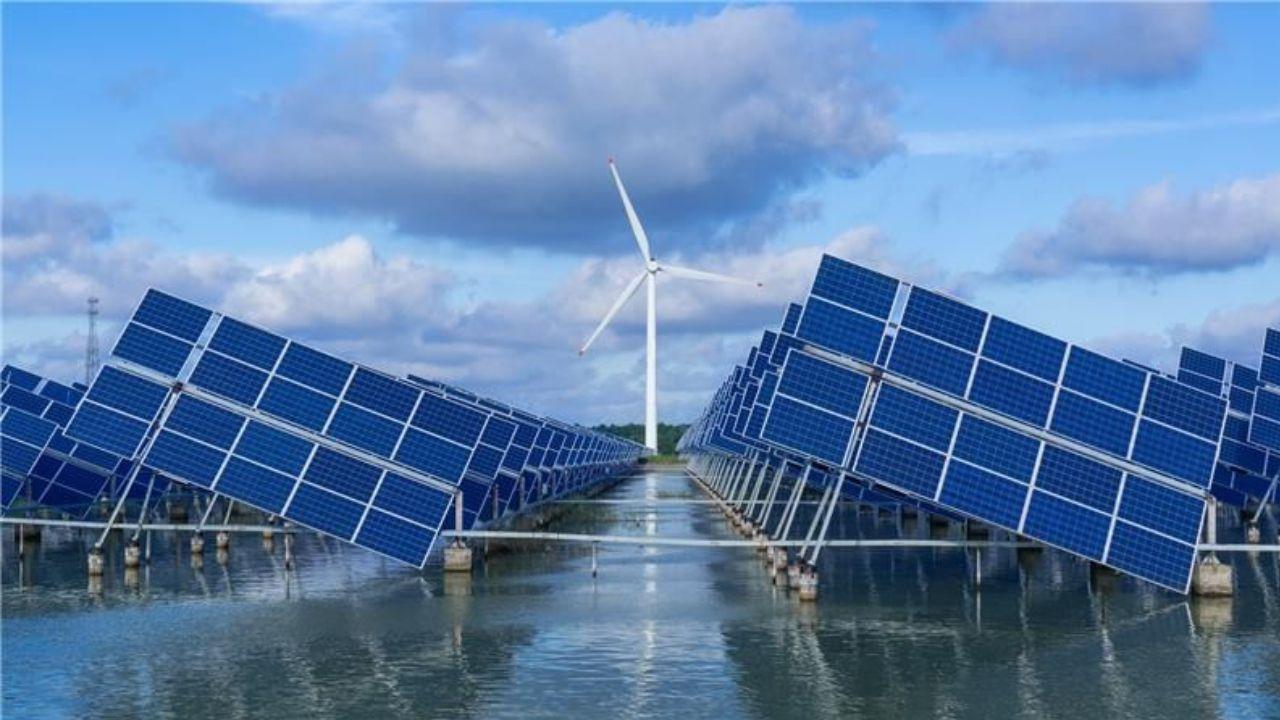
A new report from IRENA (International Renewable Energy Agency) confirms that renewable energy sources like solar and wind power stayed cheaper than fossil fuels in 2024. The findings show that clean energy continues to be the best choice—not just for the environment but also for saving money.
This detailed report, titled "Renewable Power Generation Costs in 2024," explains how technology improvements, competitive markets, and global supply chains have helped keep costs low for renewable energy.
Solar and Wind Are Way Cheaper Than Fossil Fuels
According to IRENA, solar photovoltaics (solar PV) in 2024 were 41% cheaper than the lowest-cost fossil fuel option. Even more impressive, onshore wind projects were 53% cheaper. This means if a country had to choose between building a new wind or coal plant, the wind option would cost them far less.
Among all clean energy options, onshore wind was the cheapest, costing just US$0.034 per kilowatt-hour (kWh). Next in line was solar PV at US$0.043 per kWh. These numbers show that renewable power is not only clean but also affordable for everyone.
582 GW of Clean Energy Added, Saving Billions
In 2024, countries around the world added a total of 582 gigawatts (GW) of renewable power. This massive increase helped avoid fossil fuel usage worth around US$57 billion.
Even more exciting is that 91% of new renewable projects were cheaper than any new fossil fuel alternatives. That means most new clean energy plants were a smarter economic choice than any kind of oil, coal, or gas plants.
Renewables Boost Energy Security
Renewables are not just about saving money or fighting climate change. They also help make countries more energy secure. This is because renewables don’t depend on imported fuels like oil or gas. Instead, they use natural sources like sun and wind, which are free and locally available.
When countries use more renewables, they are less affected by international events like war, trade disputes, or fuel shortages. This gives them more control over their energy needs, making them stronger and more stable.
The Business Case for Renewables Is Strong
The IRENA report clearly says that investing in renewables is smarter than ever before. Over the years, technology has improved, markets have expanded, and policies have helped grow the sector. As a result, clean energy is now a strong and reliable business opportunity.
IRENA’s Director-General Francesco La Camera explained that in 2024, the total avoided fossil fuel costs from all renewables in operation reached up to US$467 billion. That’s a huge saving for governments, businesses, and consumers.
But There Are Challenges Too
While the outlook is mostly positive, the report also talks about some risks and problems that could slow down progress.
Geopolitical Issues
Things like trade wars, tariffs, and changes in global politics are affecting how easy it is to build renewable energy projects. For example, if one country raises tariffs on solar panels made in another country, the cost of solar energy can go up.
Raw Material and Supply Chain Problems
Some of the materials used in renewable energy systems—like lithium for batteries or rare earth metals for wind turbines—can be hard to get. Supply chain delays and cost increases can raise prices temporarily.
Local Barriers in Europe and North America
In rich regions like Europe and North America, building new renewable projects is often slowed down by things like permits, lack of space on the electric grid, and high setup costs.
Asia, Africa, and South America May See More Progress
In contrast, developing regions like Asia, Africa, and South America have a better chance to lower costs. That’s because they are learning fast, have big potential for renewable energy, and are building projects from scratch using the latest tech.
Global Leaders Speak Up
United Nations Secretary-General António Guterres supported the report’s message. He said, “Clean energy is smart economics – and the world is following the money.” He encouraged governments to remove barriers, support investment, and build trust in renewables.
Financing Is Key to Faster Growth
The report also highlights how finance and investment play a huge role in renewable energy growth. If financing costs are low, renewable energy becomes much cheaper. But in many developing countries, the cost of borrowing money is very high.
For example, building wind farms in Europe and Africa may have similar basic costs. But in Africa, financing is more expensive because banks and investors think it’s riskier. IRENA estimates that the cost of capital is around 3.8% in Europe but 12% in Africa. This big difference makes African projects costlier even when they use the same technology.
Battery Storage Is Getting Cheaper
Another exciting part of the report is about battery storage. Batteries help store energy from the sun and wind, so it can be used even when it’s dark or the wind isn’t blowing.
In 2024, the cost of utility-scale battery energy storage systems (BESS) dropped by 93% compared to 2010, reaching US$192 per kilowatt-hour. This is because of better materials, improved technology, and larger production facilities.
Batteries are now a big part of the clean energy system. Hybrid systems that combine solar, wind, and batteries are becoming common. These systems make renewable energy more reliable.
AI and Digital Tools Improve Energy Performance
Digital technologies like Artificial Intelligence (AI) are now helping manage clean energy better. AI tools can predict how much energy will be produced, improve the performance of solar and wind farms, and make the energy grid more responsive.
But not all countries have the digital infrastructure needed. Especially in emerging markets, more investment is needed in digital tools, modern grids, and flexible systems so that the full potential of renewables can be realized.
Grid and Permitting Are New Bottlenecks
As more renewable energy is added to the grid, new problems arise. Permitting delays and grid connection issues are slowing down projects, especially in big economies like those in the G20.
In many areas, the electricity grid wasn’t built to handle this much clean power. That means governments now need to upgrade and expand grid infrastructure to support the energy transition.
Clean Energy is Winning—But Needs Support
The 2024 IRENA report gives a clear message: renewable energy is more affordable and better for the future than fossil fuels. But to keep the momentum going, countries need to work together, fix financing issues, and invest in modern energy systems.
The shift to renewable energy is happening—but the speed and fairness of this change depend on the choices made today. With the right policies, finance, and global cooperation, a cleaner and cheaper energy future is possible for all.


 English