Post by : Bianca
Haleem
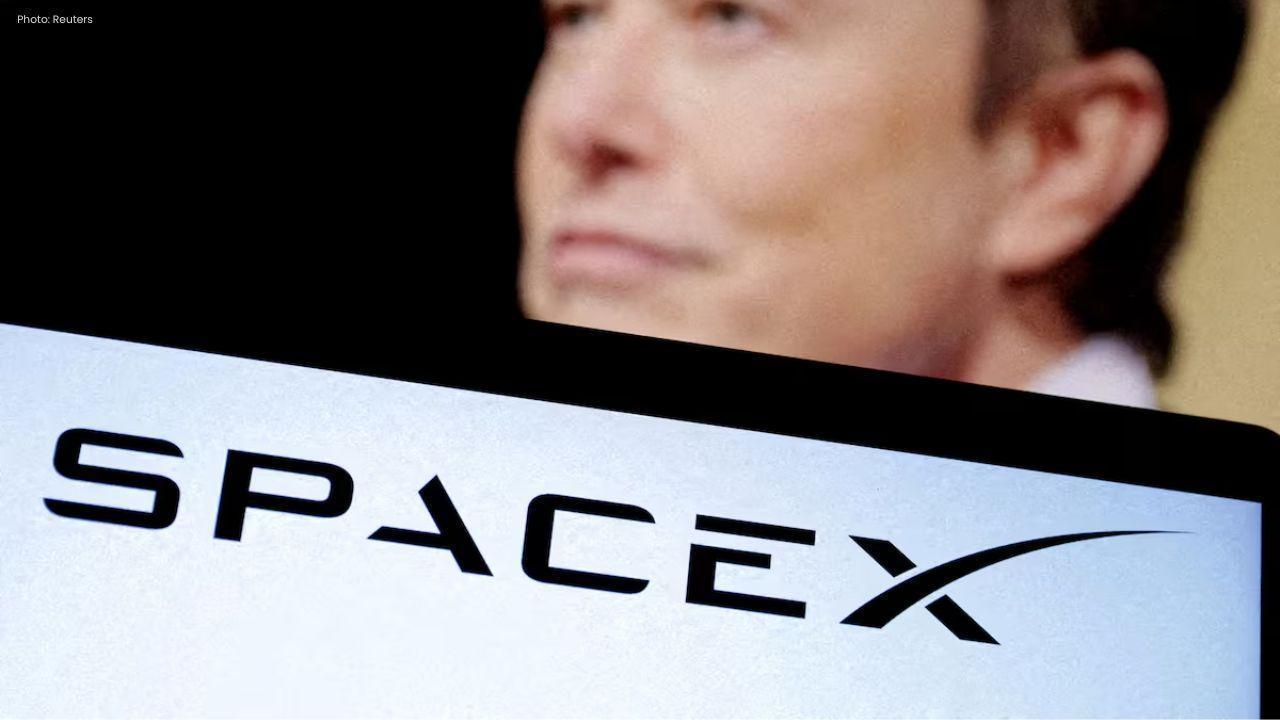
Elon Musk structured SpaceX’s acquisition of artificial intelligence firm xAI using a widely practiced two-step merger method that offered multiple financial and legal advantages, according to people familiar with the transaction. The approach allowed SpaceX to avoid the immediate repayment of billions of dollars in debt, provide tax benefits to shareholders, and protect the aerospace company from potential legal liabilities tied to xAI’s operations.
The deal, announced earlier this week, forms a combined corporate structure valued at approximately $1.25 trillion. Despite the massive scale of the transaction, the two companies will not fully merge into a single operating entity. Instead, xAI will remain a wholly owned subsidiary under SpaceX. This structure allows both companies to maintain operational independence while still benefiting from shared ownership.
Industry experts describe the method as a “triangular merger,” a common corporate strategy used in major acquisitions. In this arrangement, the acquiring company forms a temporary intermediary entity to purchase the target business, which then becomes a subsidiary rather than being absorbed directly. Legal analysts note that this strategy is often chosen because it limits exposure to lawsuits, preserves existing contracts, and creates a tax-efficient transfer of ownership.
By keeping xAI separate, SpaceX avoids inheriting its direct debts and legal risks. xAI, which operates the social media platform X and developed the Grok chatbot, has faced regulatory scrutiny in Europe related to allegations that manipulated or inappropriate digital images were circulated on the platform. Maintaining xAI as a subsidiary helps shield SpaceX from ongoing or future investigations and litigation linked to those issues.
Financially, the merger was also designed as a tax-free reorganization. Shareholders of xAI who received SpaceX stock as part of the deal can defer paying taxes until they eventually sell their shares. According to earlier financial disclosures, xAI was valued at $250 billion in the transaction, with each xAI share converting into a fraction of a SpaceX share. The entire purchase was completed through an all-stock exchange rather than a cash payment, reducing immediate financial strain.
The multi-layered transaction also helped SpaceX avoid triggering “change-of-control” clauses often found in corporate debt agreements. Such clauses can force companies to repay loans or refinance bonds immediately after a merger. By structuring the deal through intermediary entities registered in Nevada, SpaceX ensured that existing bond agreements would remain intact. Analysts estimate that xAI inherited approximately $12 billion in debt when it acquired the social media platform in 2025 and added at least another $5 billion afterward, though exact figures remain undisclosed.
Market reaction has been positive so far. Bonds previously issued by xAI have risen in value following news of the acquisition, largely due to investor confidence in SpaceX’s stronger financial standing. The upward movement suggests that creditors believe the merger reduces the risk of default while improving long-term repayment prospects.
Importantly, the acquisition is not expected to delay SpaceX’s anticipated public stock market debut later this year. Financial executives at SpaceX have continued discussions with major Wall Street banks regarding what could become one of the largest initial public offerings in history. Estimates from financial institutions suggest the company could raise more than $50 billion if market conditions remain favorable.
Large acquisitions close to an IPO can sometimes complicate regulatory filings, especially if the acquired company is considered financially significant under U.S. securities regulations. However, legal experts believe SpaceX may avoid additional disclosure requirements if xAI’s financial size falls below the regulatory threshold that triggers expanded reporting obligations. This would allow SpaceX to proceed with its listing plans without major administrative delays.
Despite optimism, some investors remain cautious about the growing complexity of SpaceX’s business model. The company already operates in multiple high-tech industries, including rocket launches, satellite internet services, and government defense contracts. Adding artificial intelligence development and social media operations creates a diversified conglomerate that can be challenging to evaluate from a valuation standpoint.
Still, many investors view Musk’s leadership as a strong confidence factor. Supporters argue that his track record in building large-scale technology enterprises gives the combined structure credibility, even as it expands into new and unconventional sectors. For them, the merger represents not just a financial strategy but a long-term vision that blends aerospace, artificial intelligence, and digital platforms under one powerful corporate umbrella.


 English