Post by : Saif
Al-Najjar
The ongoing conflict in the Middle East has intensified risks for global shipping, particularly in the Strait of Hormuz. Recent analyses reveal that oil tankers navigating this strategic passage are under significant threat, jeopardizing both crew safety and international trade.
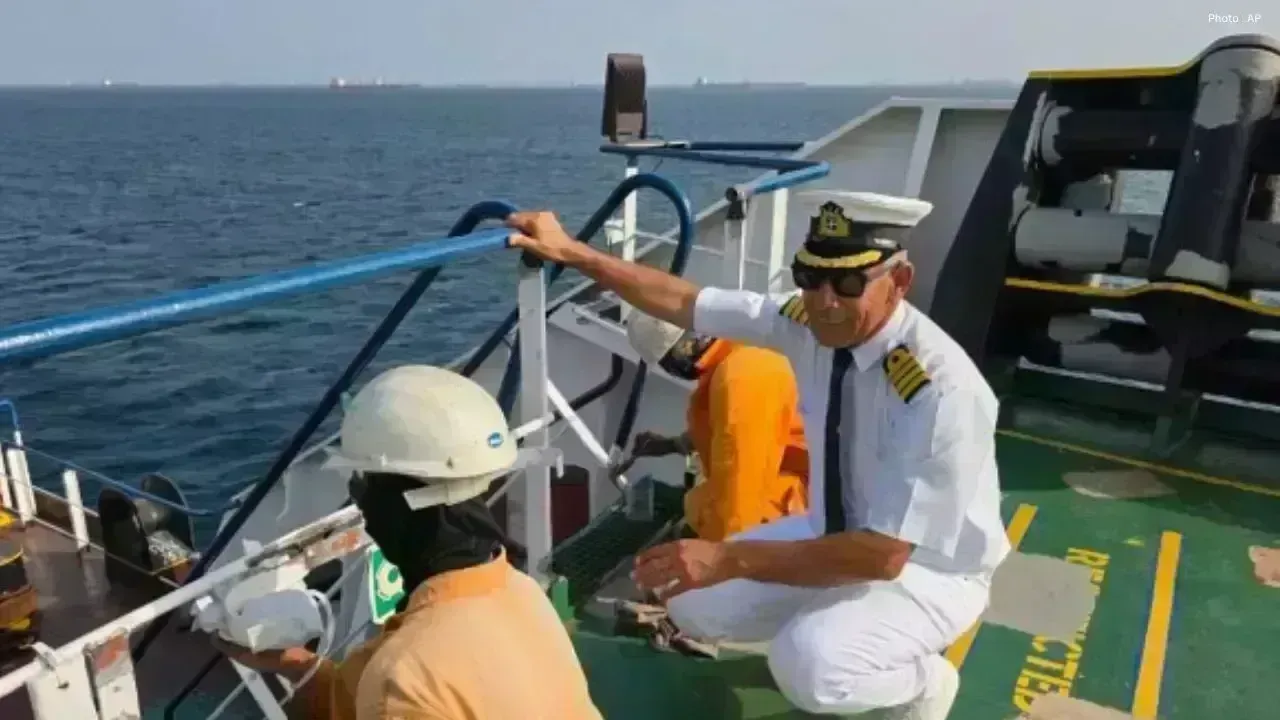
Among those facing these dangers is a seasoned Iraqi ship captain who continues his voyages through perilous waters amidst escalating risks. His experiences illustrate the heightened tension and stress confronting seafarers in this crisis. Oil-carrying vessels have become potential targets for missile attacks, drone strikes, and armed confrontations.
As one of the world’s critical maritime corridors, approximately one-fifth of global oil transits through the Strait of Hormuz daily. Any disruption could lead to widespread repercussions for fuel prices and global economies.
Recent developments indicate a rise in military actions, with Iranian forces reportedly engaging vessels and imposing new shipping restrictions. Some oil tankers have been compelled to alter their routes or return for safety reasons.
In response, the United States has acted to prevent specific ships associated with Iran from operating in the area. This has resulted in direct maritime confrontations, escalating tensions and the risk of conflict. As both sides fortify their positions, commercial shipping finds itself ensnared in the middle.
For mariners and their crews, this scenario presents immense challenges. They must continue their duties amid ongoing threats, frequently accompanied by smaller team sizes and stringent safety protocols. Many experience significant mental stress being away from their families while managing perilous voyages.
The crisis is also influencing global oil markets, with prices already beginning to rise amid supply anxieties. Delays or blockages of tankers diminish the oil flow to reliant nations, potentially raising fuel costs and economic pressures on consumers and businesses.
Experts caution that even if tensions abate, a return to normal shipping operations may take time. Factors like infrastructure damage, security concerns, and increased insurance costs could impede recovery. The longer the unrest persists, the deeper the repercussions on global trade and energy availability.
This situation underscores the critical nature of secure maritime passageways for the global economy. A chokepoint such as the Strait of Hormuz can significantly affect pricing and supply chains on a worldwide scale. The implications of unsafe routes extend far beyond their geographic boundaries.
Currently, shipping firms, governments, and international agencies are vigilantly tracking the situation. While efforts are underway to bolster safety, uncertainty remains paramount.
The oil tanker situation in the Strait of Hormuz starkly illustrates how dependent global trade is on political stability. Until tensions ease, challenges to shipping lines, energy supplies, and economic stability are expected to persist.


 English