Post by : Saif
Al-Najjar
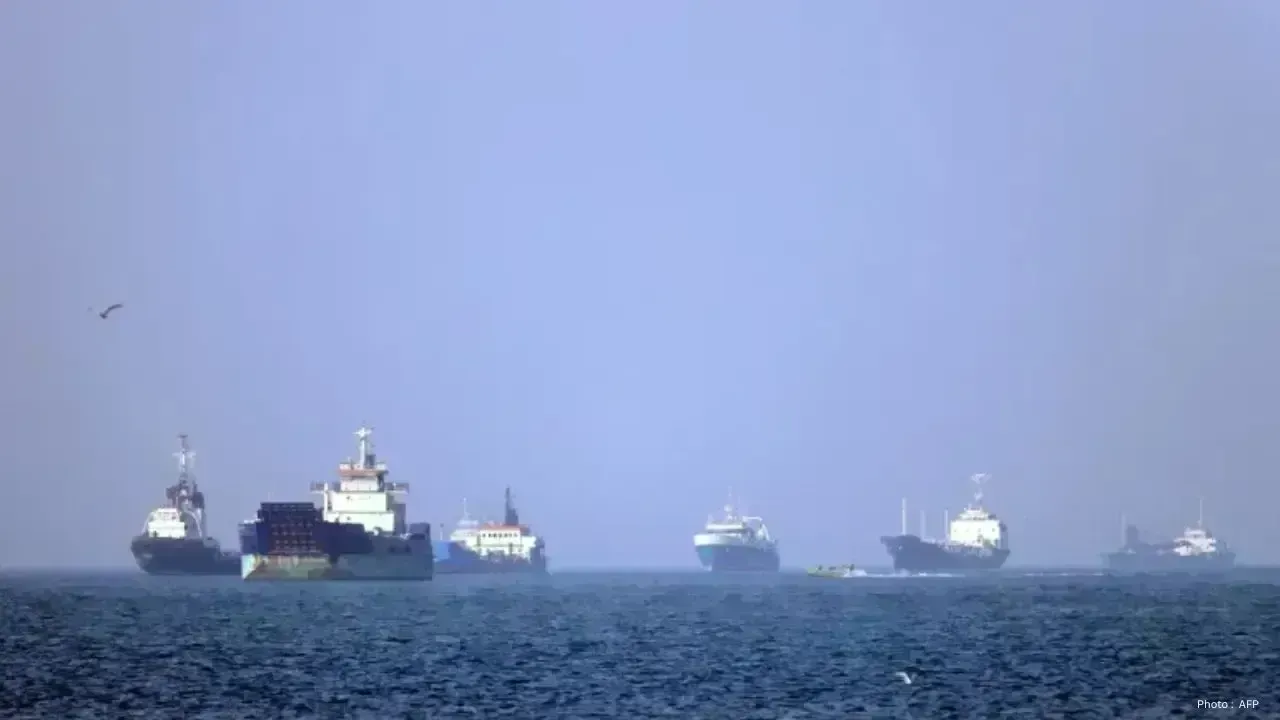
Thousands of maritime workers on cargo vessels and oil tankers throughout the Middle East remain in limbo as the United States and Iran engage in discussions over a potential peace accord. Although recent diplomatic efforts have spurred hopes for decreased tensions, numerous crews find themselves stranded at sea, unable to safely return to their home ports.
Heightened conflict and military unrest involving Iran have significantly disrupted international shipping channels, particularly in the Strait of Hormuz, a crucial artery for global oil transport. This turmoil has led to interruptions in global trade, prolonged shipment delays, and pressing challenges for maritime personnel.
Many seafarers have endured months working under precarious and stressful circumstances. Security concerns prevent some crews from docking at ports, while others are left waiting for clearance to navigate through sensitive waters safely.
This situation underlines a generally overlooked human toll of geopolitical strife. As governments strategize on diplomacy and military options, the day-to-day struggles of workers—such as sailors, engineers, and cargo handlers—often remain overshadowed. Countless seafarers live in uncertainty, away from their families, longing for resolution.
The Strait of Hormuz holds immense significance in the global economy, with a substantial volume of the world's oil transiting through this narrow passage daily. Military escalations in the region can swiftly impact shipping operations, oil pricing, insurance rates, and international commerce.
Following the surge in US-Iran tensions earlier this year, many shipping firms have adjusted their routes or postponed operations to mitigate risks. Numerous vessels have experienced electronic disruptions, security challenges, and delays tied to military actions in the Gulf.
These disruptions have led to severe working conditions for seafarers. Extended shifts, mental strain, delayed wages, and concerns over safe navigation have emerged as significant issues. Maritime organizations and labor advocates have repeatedly called for enhanced protections and support for seafarers working in conflict zones.
Diplomatic talks between the United States and Iran have fostered a degree of cautious optimism. Reports indicate that both parties are considering steps that might alleviate military pressures and foster regional stability. Nevertheless, experts agree the situation is still precarious and subject to rapid changes.
The global shipping sector is closely monitoring these events, as peace in the area could lead to stabilization of oil markets and lower risks for commercial vessels. A reduction in tensions would also improve circumstances for seafarers currently caught in precarious situations.
This crisis emphasizes the interconnectedness of today’s global economy. Conflict in one region can rapidly ripple through fuel prices, food distribution networks, transportation expenses, and international trade overall.
Seafarers represent vital contributors to the world economy, transporting essential goods like oil, food, medical supplies, electronics, and machinery across nations. Yet, their challenges often attract minimal global attention until significant crises arise.
Human rights advocates and maritime unions are urging governments and international bodies to prioritize the safety and well-being of seafarers amidst regional strife. Many specialists believe that robust international safeguards are crucial for maritime personnel in hazardous areas.
As the US and Iran evaluate a potential peace settlement, countless seafarers remain hopeful for clarity, security, and a safe path home. Their plight serves as a poignant reminder that behind geopolitical tensions are real lives profoundly impacted by global affairs.


 English