Post by : Shakul
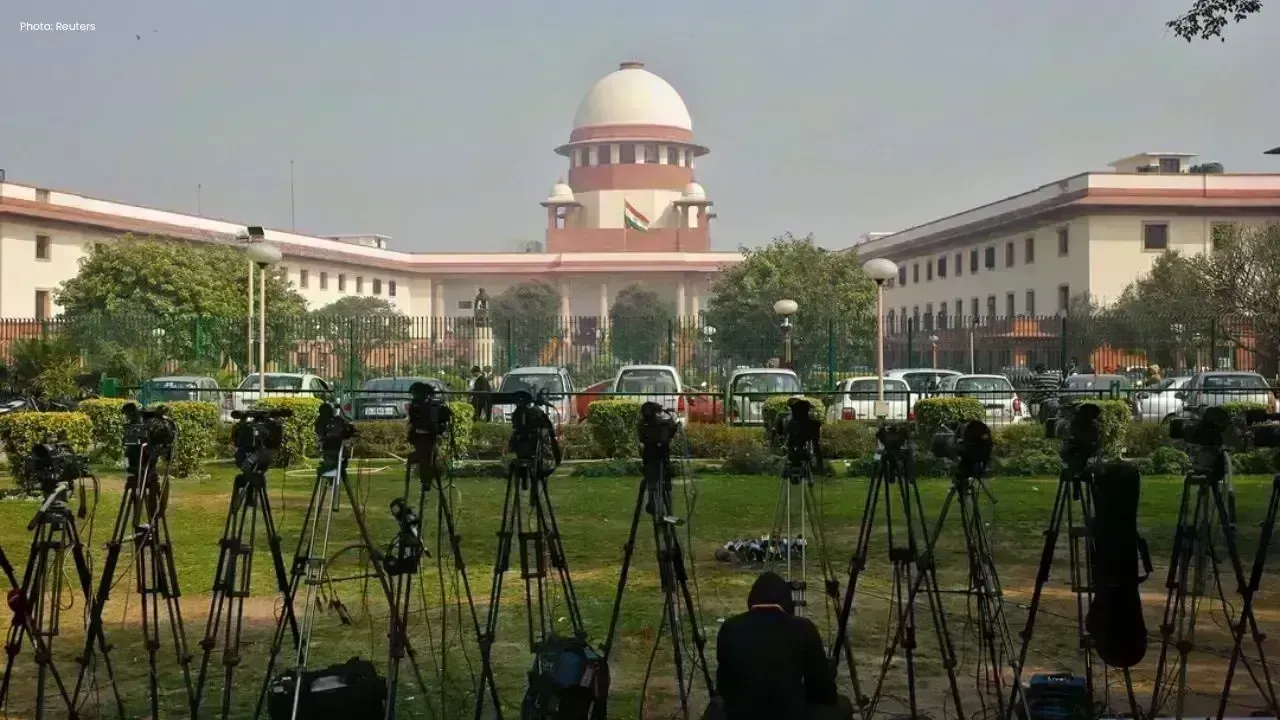
The Supreme Court of India has decided to scrutinize issues related to the Central Board of Secondary Education’s new three-language policy, set to affect Class 9 students starting July 1, 2026. The introduction of this rule has ignited discussions on whether educational institutions and students can effectively adapt to its demands.
Chief Justice of India Surya Kant, leading a three-judge panel, noted that the court’s foremost concern extends beyond the policy itself to the practical hurdles in its implementation. The Bench pointed out that factors like teacher shortages, textbook availability, and inadequate educational facilities could significantly influence whether the policy imposes an undue burden on students and schools.
Under the new CBSE directive, students in Class 9 will be required to learn three languages as part of the restructured academic curriculum. Advocates argue that the initiative enhances multilingual education, bolsters communication capabilities, and aligns with nationwide educational reforms aimed at maintaining linguistic variety across the country.
Conversely, critics have voiced concerns that numerous schools, particularly those in rural and resource-limited areas, may find it challenging to implement this policy effectively. Both education specialists and parents have highlighted worries about the availability of qualified language instructors and suitable materials for the diverse linguistic offerings required by the policy.
During the proceedings, the court reiterated the necessity of understanding the actual conditions in schools before facilitating broad application of the policy. The Bench questioned whether educational institutions are equipped, both administratively and academically, to uphold the augmented language requirements without detracting from the students’ overall learning experience.
Legal analysts suggest that this case could have far-reaching consequences for upcoming educational reforms in India, especially those tied to the National Education Policy and initiatives focusing on multilingual education. The court’s insights may also guide educational authorities in balancing policy aspirations with real-world implementation challenges.
The proceedings have attracted significant attention from educators, school leaders, and parents nationwide as many prepare for the forthcoming academic year. The Supreme Court is poised to assess whether the policy can be executed effectively and fairly without imposing undue academic pressure on students.
Education analysts believe the decision made in this case could have an enduring impact on future dialogues concerning curriculum reforms, teacher hiring practices, the availability of textbooks, and policies regarding language education in India's school system.


 English