Post by : Shakul
On Tuesday, the Supreme Court of India affirmed the Special Intensive Revision (SIR) of electoral rolls, emphasizing its significance in promoting free and fair elections nationwide. The ruling, delivered by Chief Justice Surya Kant, highlighted the Exercise’s role in upholding electoral integrity.
Dismissed were claims by petitioners alleging that the electoral roll review functioned as a covert approach for citizenship verification. The Bench clarified that the Election Commission holds the constitutional authority to assess voter eligibility and maintain accurate electoral records.
The Supreme Court confirmed that the Election Commission’s ability to verify citizenship is restricted solely to determining an individual's inclusion on the electoral roll. The judges made it clear that this should not be conflated with comprehensive citizenship checks or nationality assessments.
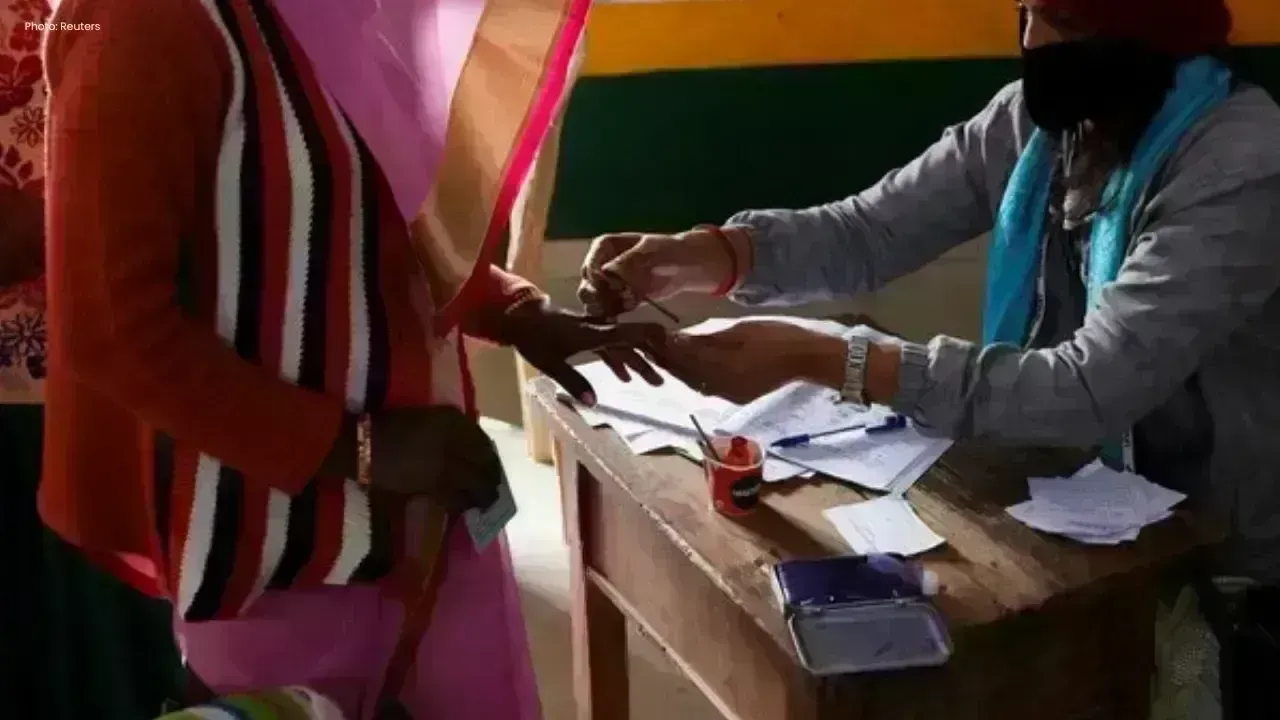
This decision arose amid challenges to the SIR process, especially where Booth Level Officers were mandated to verify records and documents. Petitioners voiced concerns that the exercise could instill fear among voters and disproportionately affect certain communities.
Nonetheless, the Supreme Court underscored the necessity of maintaining precise electoral rolls to safeguard democratic principles and election sanctity. The Bench reiterated that free and fair elections are crucial aspects of the Constitution's basic framework, and the Election Commission is responsible for eliminating fraudulent or duplicate entries.
Further, the court insisted that the revision process must be conducted transparently and equitably, ensuring no eligible voter is mistakenly left out. It was noted that legal protections and established protocols must be adhered to during the verification process.
Political reactions are unfolding nationwide, with proponents of the ruling calling it a crucial move towards electoral transparency, while opponents raise alarms over potential misuse of document checks during voter registration.
The Special Intensive Revision has recently attracted significant attention as electoral authorities ramp up efforts to refresh voter databases ahead of forthcoming elections. Booth Level Officers have been actively involved in door-to-door verifications and examining identity-related documents from voters.
Legal analysts suggest this ruling might set a pivotal precedent concerning the Election Commission's authority to maintain voter records and may shape future discussions surrounding voter verification, citizenship issues, and electoral reforms in India.


 English