Post by : Anis
Al-Rashid
Photo: AFP
A Sudden Resurgence of Conflict
The Thailand–Cambodia border has erupted into violence again, following a sudden attack in early December 2025 that disrupted a brief period of calm. This violent resurgence has raised alarm among both local civilians and regional observers, who fear a return to chaotic hostilities.
What began as an unexpected exchange of gunfire escalated into serious confrontations marked by artillery strikes, air defense responses, troop movements, and increasing civilian casualties. These developments signify the most alarming escalation between the two countries since the early 2010s.
Catalysts for the Recent Violence
Border Clashes along Contested Areas
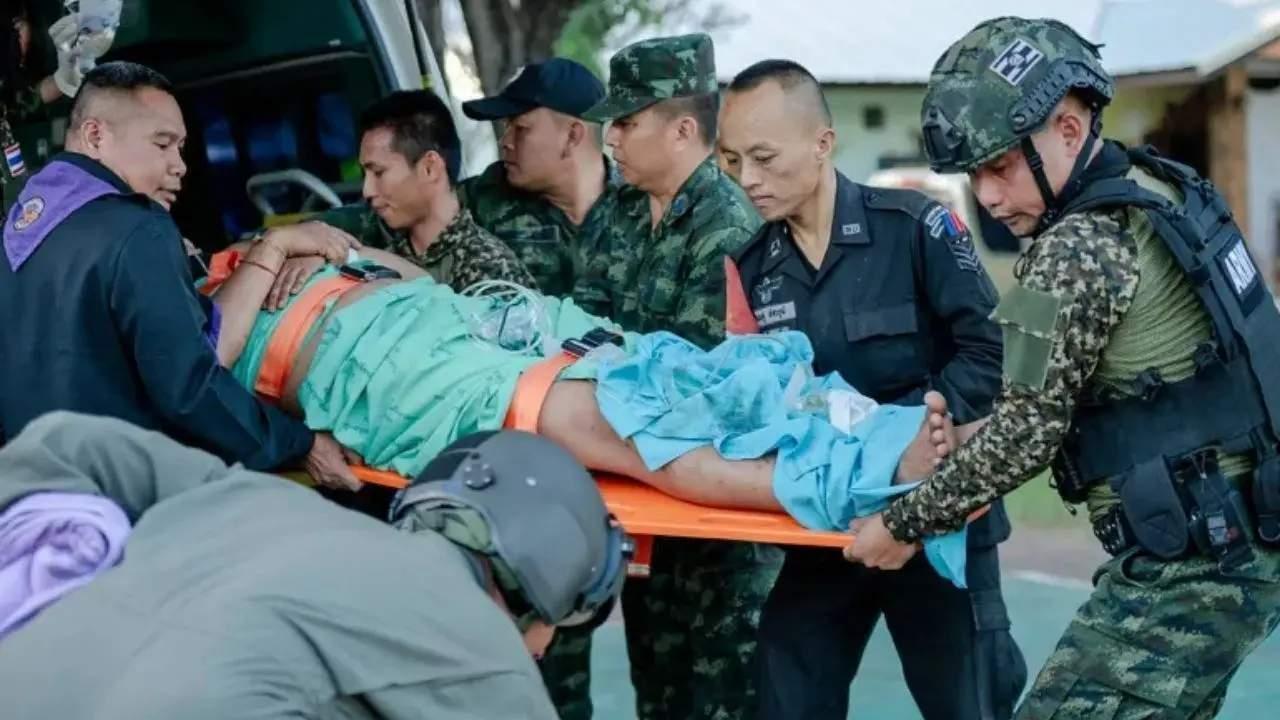
The incident reportedly ignited during the early hours when Thai forces on a disputed border segment were unexpectedly fired upon, resulting in injuries and one confirmed death. Thai military authorities characterized this assault as a calculated act.
In retaliation, Thailand executed several airstrikes targeting supposed Cambodian military locations, a move that has escalated tensions further and raised questions about national security and the stability of the peace accord.
Cambodian officials contested the allegations, asserting that Thai airstrikes affected civilian areas and resulted in injuries as well.
The Fragile Framework of a Recent Peace Accord
The Kuala Lumpur Peace Accord, signed just two months earlier, was seen as a breakthrough in fostering political dialogue. It aimed to promote de-escalation and monitoring, but relentless disputes chipped away at its effectiveness.
Not long after the accord was established, incidents involving injuries from landmines led to accusations of violations, hampering confidence that was essential for upholding peace.
The recent attacks have confirmed worries that the agreement was insufficient to manage entrenched historical grievances.
Escalation of Military Actions
Intensified Retaliation and Casualties
Following the initial gunfire, Thai forces responded aggressively with airstrikes. This marked a substantial escalation in military tactics rarely witnessed in this ongoing conflict, signaling a heightened seriousness.
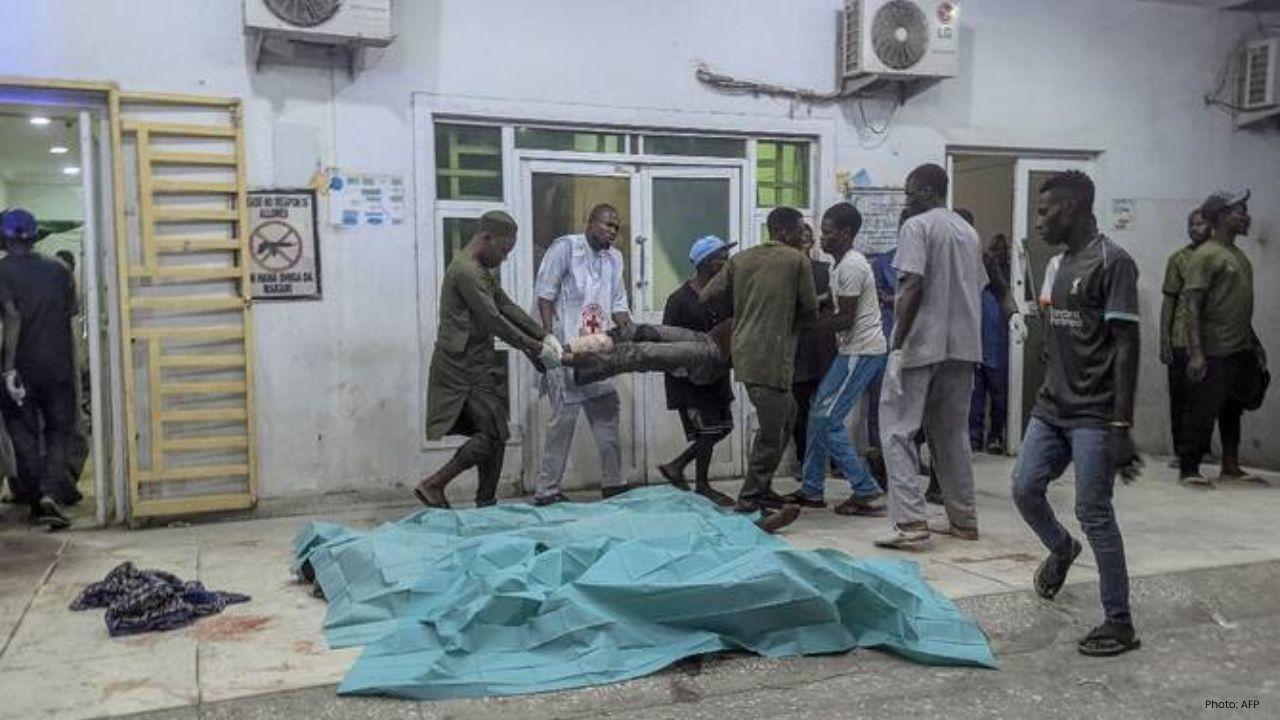
Cambodian reports indicated civilian casualties, highlighting the toll of military actions, although accurate casualty figures remain elusive due to restricted access to affected areas.
Evacuations Amid Rising Fear
As conflict intensified, communities along the border swiftly evacuated in response to increasing artillery fire. Thai authorities relocated tens of thousands of individuals to safer zones, with schools and local businesses shuttered in panic.
Entire families fled their homes with little more than essential items, unsure of when normalcy might return.
Increasing Military Deployments on Both Sides
Reports reveal significant troop mobilizations that include:
Mobilized armored units
Repositioned artillery batteries
Reinforced border patrol units
Strengthened defensive structures
This military buildup raises concerns about the potential for further confrontations, likely due to the ongoing tensions between the nations.
Understanding the Root of the Conflict
Colonial-Era Disputes Fuel Tensions
Long-standing disagreements about the Cambodia–Thailand border trace back to colonial maps defined during Cambodia's French colonial rule. Disputed regions include vital temples and farmlands, intertwining historical claims with national pride.
Heritage Sites and National Identity
The contention over ancient temples—many of which are recognized as UNESCO World Heritage sites—intensifies nationalistic feelings, complicating compromise and fueling tensions whenever clashes arise.
Recurring Failures of Ceasefire Agreements
The new agreement was not the first attempt at peace. Historical ceasefires have consistently collapsed due to:
Distrust among military personnel
Incomplete monitoring systems
Political pressures in both nations
Autonomous actions by local commanders
Uncleared landmines in dispute areas
The December outbreak exemplifies how unaddressed border issues undermine any attempts at reconciliation.
Humanitarian Situation: Civilians Bear the Brunt
Displacement and Societal Disruption
Countless families along the borders now contend with:
With access to fields and marketplaces obstructed, community life suffers deeply amid longstanding conflict conditions.
Increasing Risk of Refugee Crises
Should hostilities continue, the number of displaced individuals may skyrocket. Humanitarian organizations are preparing for:
The region already grapples with past displacements, and renewed violence could severely stretch available resources.
Wider Implications: Regional and Global Concerns
Diplomatic Repercussions Throughout Southeast Asia
The unraveling of the peaceful accord has alarmed neighboring countries, posing threats to:
Stability of trade networks
Tourism-related economic health
Investment confidence
Security for bordering communities
Diplomatic channels strive for renewed communication, yet the current tension remains palpable.
Impact on Tourism and Local Economies
Tourism forms a core part of both Thailand's and Cambodia’s economies. Even conflicts occurring remotely from tourist hubs can deter travel, resulting in sizable economic losses and cancellations.
Provinces affected by the ongoing conflict are already seeing downward trends in tourist bookings as global media highlight the situation.
Economic Ripple Effects Throughout Southeast Asia
The border area supports crucial trade routes vital for local businesses. Disruptions to these routes could severely impact:
Should the crisis persist, long-term economic detriments could be extensive.
Future Possibilities: Navigating Ahead
Efforts for Diplomatic Resolutions and Ceasefires
Regional diplomats may seek to encourage both nations towards:
Prompt withdrawal of forces from tension points
Joint investigations into border tensions
Re-instituting ceasefire monitoring protocols
Clear communication strategies to avert misunderstandings
However, substantive peace hinges on the political willingness of both groups, which has historically been unreliable.
Potential for Escalation into Wider Warfare
Continued retaliatory actions risk:
Broader air operations
Increased artillery confrontations
Engagement of additional combat units
Accidental strikes on civilian areas
While a widespread war remains unlikely, it is a potential outcome if tensions remain unresolved.
Long-Term Resolutions Stay Elusive
True resolution requires:
Completion of border demarcation
Removal of landmines
Implementation of neutral monitoring entities
Reduction of military formations in contentious areas
Until these challenges are addressed, further flare-ups are all but inevitable.
Significance of This Crisis Beyond Borders
A Lesson on the Fragility of Peace
This situation is a stark reminder of how quickly fragile peace agreements can deteriorate in the face of historical tensions and unaddressed boundary disputes.
A Humanitarian Crisis at Its Core
Civilian distress remains a major consequence of such conflicts, often overshadowed in analysis. Generations living near the border grow accustomed to the despair of instability.
A Global Call to Unresolved Conflicts
This resurgence serves as a crucial warning for other nations grappling with similar historical disputes. Long-term diplomatic investment is essential to prevent dormant tensions from reigniting unexpectedly.
Urgent Appeal for Dialogue and De-escalation
Southeast Asia has seen remarkable growth in trade and development. However, prolonged conflict between Thailand and Cambodia could jeopardize both bilateral and regional advancements.
Immediate focus should be on:
Ceasing hostilities
Ensuring civilian protection
Supporting reconstruction
Conducting transparent inquiries on border incidents
Restarting collaborative peace initiatives
If these actions fail to materialize, the cycle of violence may once again threaten to reinstate itself.
Disclaimer:
This piece reflects the current public knowledge of events under rapid development and may suffer from altered circumstances as verified data becomes available.


 English