Post by : Anis
Al-Rashid
Shifting Preferences Among Travellers
In the last year, there is a notable trend towards travel that emphasizes tranquility, authenticity, and a bond with nature. Wildlife parks, once viewed through a niche lens, are rapidly gaining traction among diverse demographics including families, professionals, and students.
This transformation is not a coincidence. Modern travel dynamics are influenced by long work schedules and a longing to escape urban distractions. Wildlife parks offer an antidote to the fast-paced city life, presenting slower tempos, fresh air, and a grounding connection to the environment.
Emphasis on Outdoor Exploration
A key factor driving visitor numbers is the newfound appreciation for outdoor adventures. Many travelers are opting for nature-centric getaways, leaving behind crowded urban locales. The serenity of the forests and the excitement of encountering wildlife contribute to a rejuvenating experience rarely found in city settings.
Moreover, people recognize that spending time in nature is not merely a leisure activity but crucial for maintaining mental health. The increased indoor confinement and screen time have led to anxiety and burnout. Wildlife parks allow for active engagement with one’s surroundings, promoting better well-being.
Adoption of Sustainable Travel
The growing demand for eco-friendly tourism significantly influences this trend. Contemporary travelers place a strong emphasis on minimizing their environmental impact, and wildlife parks align perfectly with these values by highlighting conservation and biodiversity.
The slow tourism concept, which promotes immersive experiences and deeper connections with destinations, complements wildlife parks excellently. Nature walks and safaris encourage more mindful experiences and resonate well with individuals seeking meaningful escapades.
Family Engagement in Nature
Families are increasingly choosing wildlife parks for educational and recreational benefits for both children and adults. Kids benefit from firsthand learning experiences with animals while parents appreciate the chance to introduce their children to nature in an enjoyable way.
With structured activities, guided tours, and educational programs, wildlife parks offer a safe and enriching environment, making them ideal for family-friendly outings.
Short Weekend Getaways
Urban dwellers are leaning towards quick getaways to wildlife parks that are often just a few hours from major cities. Such destinations provide opportunities for spontaneous trips without extensive planning.
The rise of remote work enables individuals to work from scenic lodges or extend their nature weekends. Wildlife parks have adapted to these changing patterns by enhancing their amenities and accessibility.
Impact of Social Media
The rising interest in wildlife parks can also be attributed to social media's role in shaping travel preferences. Beautiful imagery showcasing safaris and breathtaking landscapes proliferate on social platforms, inspiring more individuals to seek these experiences for themselves.
Influencer content has demystified wildlife parks, presenting them as welcoming and captivating locations for all. Many visitors cite these engaging online stories as key motivators for their trips.
The Emergence of Wellness Travel
Travel has shifted towards personal wellness, with wildlife parks harmonizing well with this trend. Research confirms that nature can alleviate stress, enhance immune function, and promote mental clarity.
With more wellness retreats collaborating with wildlife parks, visitors seek experiences like meditation and nature walks, turning their trips into holistic retreats.
Adapting to Post-Pandemic Travel
In recent years, traveler priorities have shifted toward seeking safety, space, and socially-distanced experiences. Wildlife parks have naturally fulfilled these needs, leading to an influx of visitors.
The pandemic has led to a renewed appreciation for outdoor experiences. Those once inclined toward indoor attractions are now embracing nature, contributing significantly to the visitor increase.
Enhanced Park Management and Infrastructure
Wildlife parks have noticeably improved their offerings. Upgraded roads, comfortable lodgings, and skilled staff have significantly enhanced the visitor experience.
Modern travelers appreciate convenience; parks have streamlined booking processes and refined their operational standards, making them more accessible and appealing.
Economic Benefits for Local Communities
Wildlife parks contribute significantly to local economies, providing employment and economic opportunities to nearby communities through tourism.
Local residents play active roles as naturalists, guides, and artisans, creating sustainable tourism models that enrich the experience for visitors and locals alike.
The Joy of Wildlife Encounters
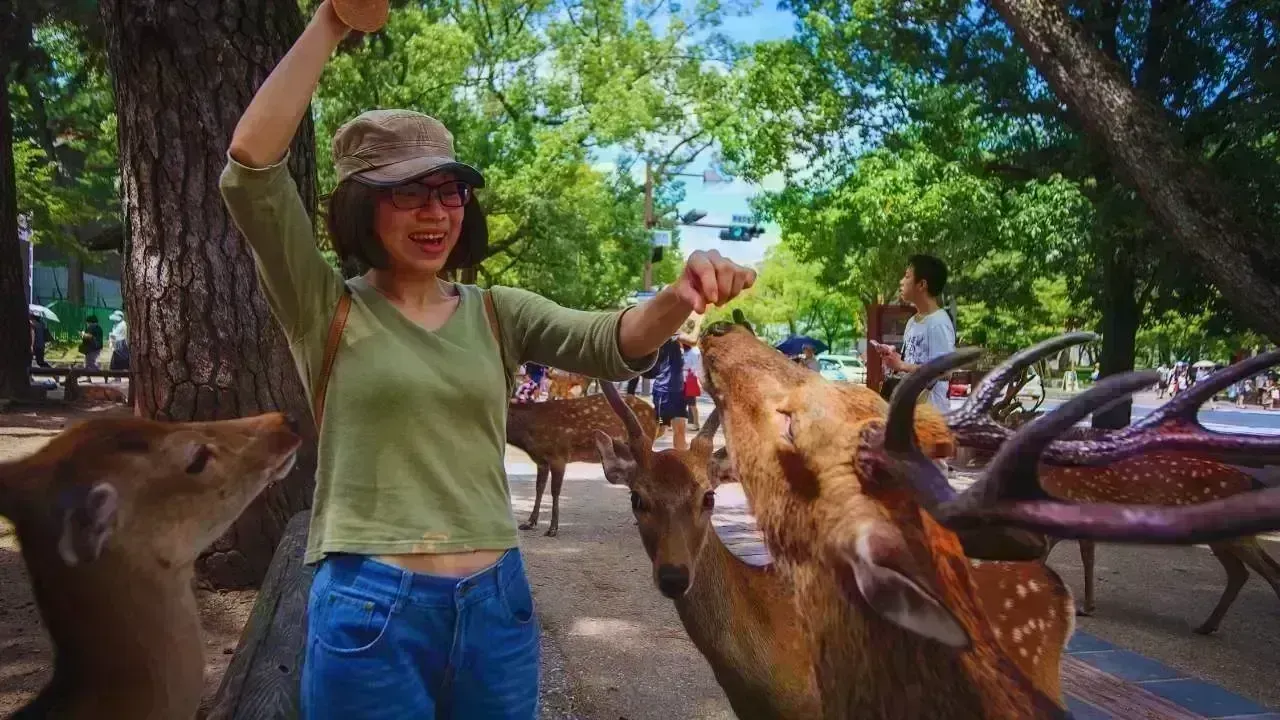
One of the main draws is the thrill of wildlife encounters. The excitement from witnessing a herd or spotting a rare animal creates cherished memories that encourage repeat visits.
Each safari offers unique experiences, keeping travelers eager to return for more discoveries and adventures.
Evolving Educational Experiences
Today’s visitors crave enriching experiences that extend beyond entertainment. Wildlife parks offer a wealth of knowledge about ecosystems, conservation, and biodiversity.
Educational trips for schools have increased, offering students a chance to learn ecology in a hands-on environment, which enhances their educational journeys.
Conservation Achievements
Successful wildlife conservation initiatives have garnered attention, encouraging visitors to witness thriving animal populations and restored habitats.
Many feel pride in contributing to these conservation efforts when they visit, knowing that their participation supports ecological funding.
Nature as a Sanctuary from Digital Life
Digital fatigue remains a significant source of stress; wildlife parks provide an escape from constant connectivity, allowing visitors to unwind and recharge.
This digital detox experience fosters tranquility and focus, promoting qualities that modern technology often impedes.
Looking Ahead: Future Trends
The increased interest in wildlife parks is expected to be a long-lasting trend. Growing awareness around mental health, sustainability, and responsible tourism will continue to draw more visitors.
As urban lifestyles become more frenetic, the allure of nature will remain powerful—wildlife parks serve as reminders of life’s rhythms and natural beauty.
Disclaimer:
This article serves educational purposes and does not endorse unsafe travel practices. Visitors should adhere to local regulations and guidelines for responsible experiences.


 English