Post by : Shakul
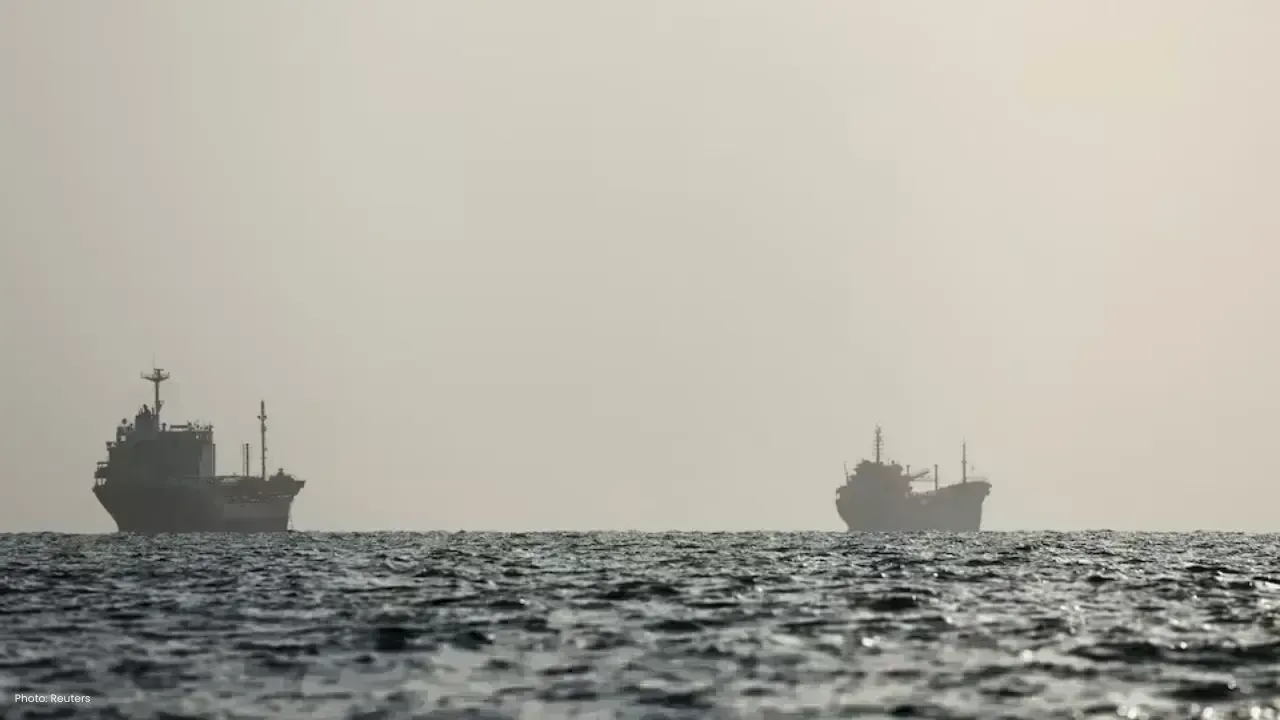
Afghanistan is grappling with a critical trade and humanitarian crisis following the disruption of vital import channels through Pakistan and Iran. The situation has escalated significantly due to the ongoing tensions surrounding the Strait of Hormuz, leaving numerous vessels stranded and hampering access for Afghan businesses and humanitarian efforts.
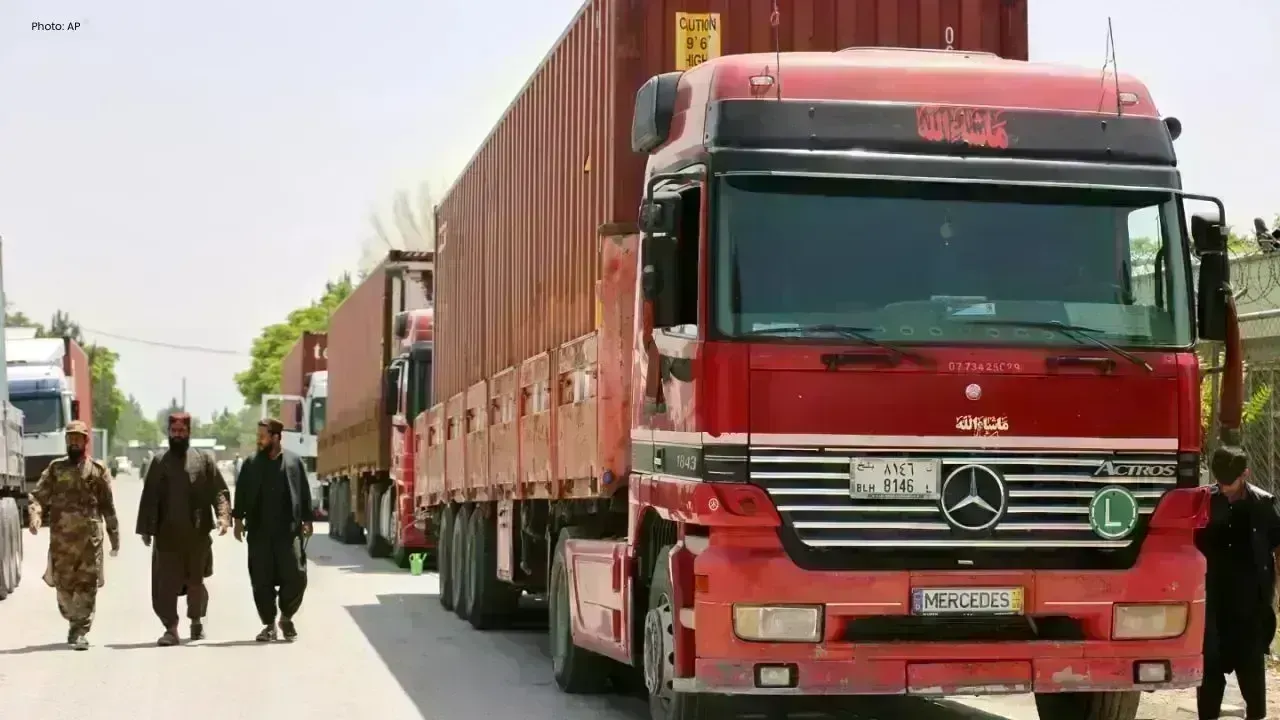
The turmoil commenced late last year when skirmishes and heightened border tensions between Afghanistan and Pakistan resulted in the shutdown of key crossings. In response, Afghan traders and aid organizations diverted their shipments to Iran’s Bandar Abbas port, yet this alternative route has also been compromised by disturbances in the Hormuz area.
The blockade of maritime routes poses severe challenges for the United Nations World Food Programme and various humanitarian entities active in Afghanistan. Organizations report a hefty rise in transport expenses, coupled with alarming shortages of vital food and nutritional supplies for mothers and children across numerous regions.
The World Food Programme disclosed that by mid-April, many nutritional aids for struggling women and children had already depleted. After initially rerouting supplies through Dubai and Iran post the closure of the Pakistan border, escalating regional tensions and constraints around Iranian ports have also blocked this pathway.
Currently, humanitarian businesses are left with the arduous task of transporting goods through lengthy and costly land routes across Central Asia, with shipments passing through countries such as Saudi Arabia, Jordan, Turkey, Georgia, Azerbaijan, and Turkmenistan before reaching Afghanistan. Some aid consignments have faced delays of nearly three months during transport.
Afghan importers are reporting significant financial losses due to surging shipping costs and cargo delays. Numerous containers carrying electronics, machinery, and construction materials from China remain stuck at sea or held up in transit corridors. Many owners express fears of going bankrupt if trade arteries aren't restored soon.
Logistics firms indicate that shipping costs have soared drastically since the crisis erupted. Prices for shipping containers that once fluctuated between $3,000 and $3,600 have now exceeded $7,000, with some instances hitting $11,000. Afghan traders report that delivery costs for electronics have surged nearly tenfold compared to earlier rates.
Despite the dire situation, Afghan officials maintain that overall price hikes within the country are relatively contained, largely due to emerging trade connections with Central Asian nations, Russia, China, and Turkey. Reports suggest that over 60% of Afghanistan’s trade is now being routed through Central Asian paths to mitigate reliance on Pakistan and Iran.
Experts warn that prolonged disruptions in the Strait of Hormuz and regional border tensions could further intensify Afghanistan's economic challenges, leading to soaring inflation and serious humanitarian deficits. Aid groups are urging for immediate international collaboration to reopen supply chains and guarantee that food and medical assistance reach the millions of Afghans in need.


 English