Post by : Raina
Al-Fahim
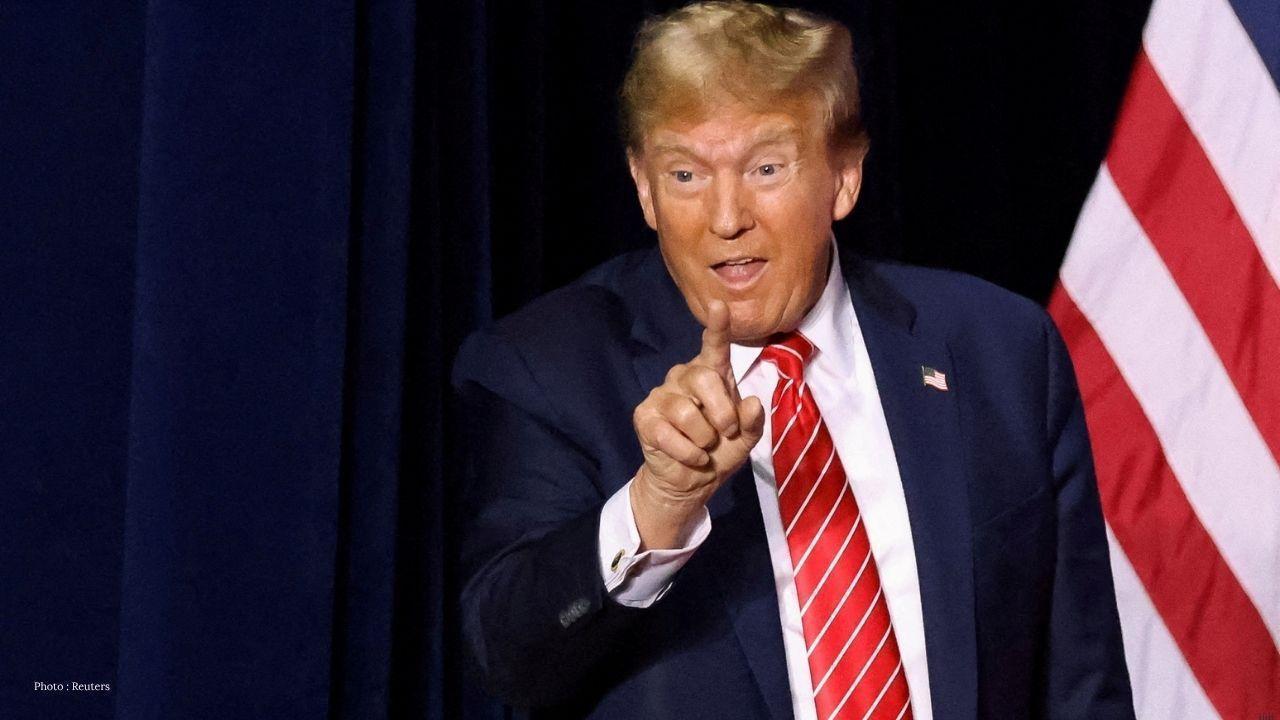
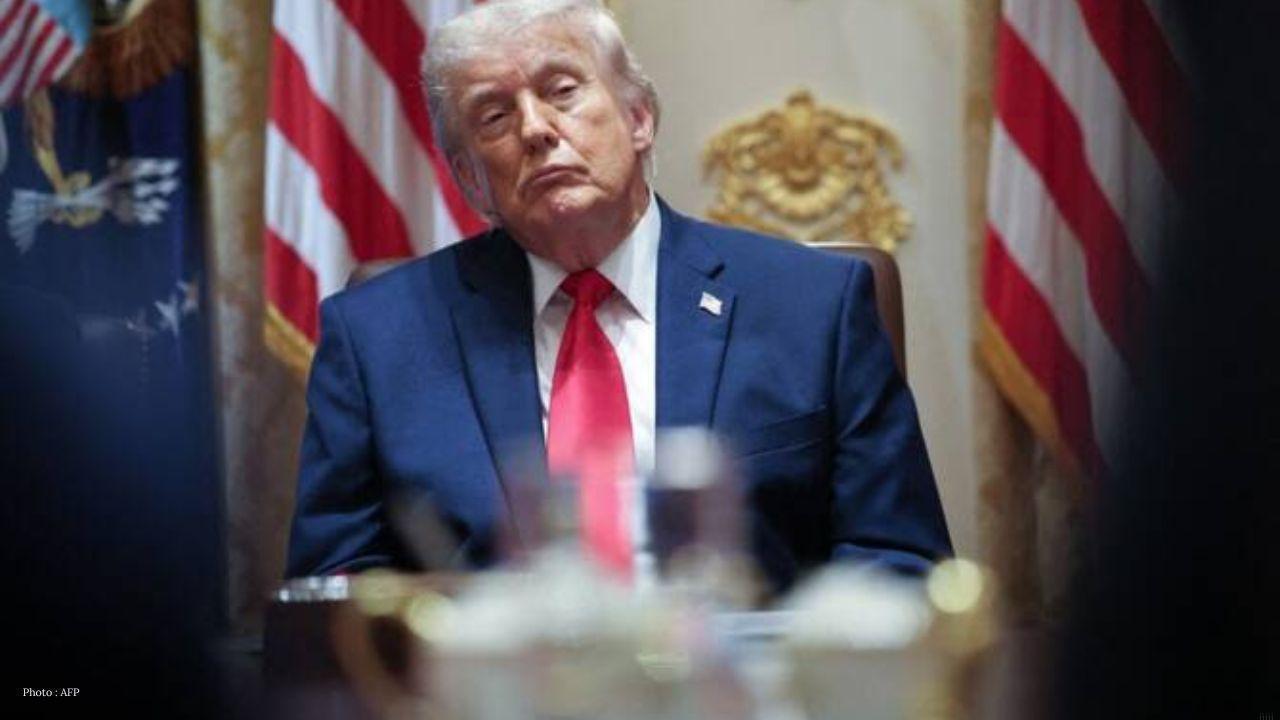
In a recent statement, U.S. President Donald Trump indicated that India has pledged to stop importing oil from Russia, a move he believes could facilitate diplomatic discussions aimed at resolving the conflict between Russia and Ukraine. This comes as the U.S. increases trade tariffs on India due to its ongoing purchases of Russian crude.
During a press interaction at the White House, Trump noted that Prime Minister Narendra Modi had assured him that India would phase out its imports of Russian seaborne crude oil. Although Trump recognized the transition would require time, he claimed a decision had already been reached.
“Prime Minister Modi has assured me that oil purchases from Russia will cease. While it cannot happen overnight, we are on course for it to conclude soon,” Trump stated.
He elaborated that a stoppage in India’s Russian oil purchases would significantly bolster his endeavors to mediate peace talks between Kyiv and Moscow. “If India halts its oil imports from Russia, it greatly simplifies my task of bringing both parties to the negotiating table,” he said, hinting at the possibility of restored diplomatic ties post-conflict.
India's Reserved Response
Thus far, the Indian government has refrained from formally addressing Trump’s declarations. New Delhi has consistently advocated for its oil trade with Russia, considering it essential for national energy security. Officials maintain that energy procurement is driven by market realities rather than external political factors.
As one of the globe's rapidly developing economies, India heavily relies on oil imports to meet its domestic consumption needs. Russian crude has become increasingly important due to its competitive pricing, particularly as Western sanctions limit Moscow's access to European energy markets following its 2022 invasion of Ukraine.
Despite U.S. pressure, Indian authorities have underscored that their imports from Russia are vital for stabilizing domestic fuel prices. Additionally, they have described the U.S. tariffs as unfair and discriminatory, arguing they disproportionately affect a developing nation.
Impact of U.S. Tariffs and Rising Tensions
Earlier this year, the Trump administration initiated a 25 percent tariff on India's crude oil purchases from Russia, compounding existing trade duties. This has pushed total tariffs on Indian imports close to 50 percent, a notably high level for any trading partner of the U.S.
Trump has labeled these as “secondary tariffs” aimed at deterring nations from financially supporting Moscow amidst the Ukraine crisis. Interestingly, China, being the largest consumer of Russian crude, has not faced similar U.S. sanctions, raising concerns about the inconsistency in Washington's treatment of these two Asian nations.
This tariff imposition has introduced new strains into U.S.-India relations, which historically have been robust in defense and strategic fields. Yet, energy trade remains a contentious topic as the U.S. endeavors to curtail Russia's capability to finance its military operations through oil revenues.
Trade Data Reveals Consistency
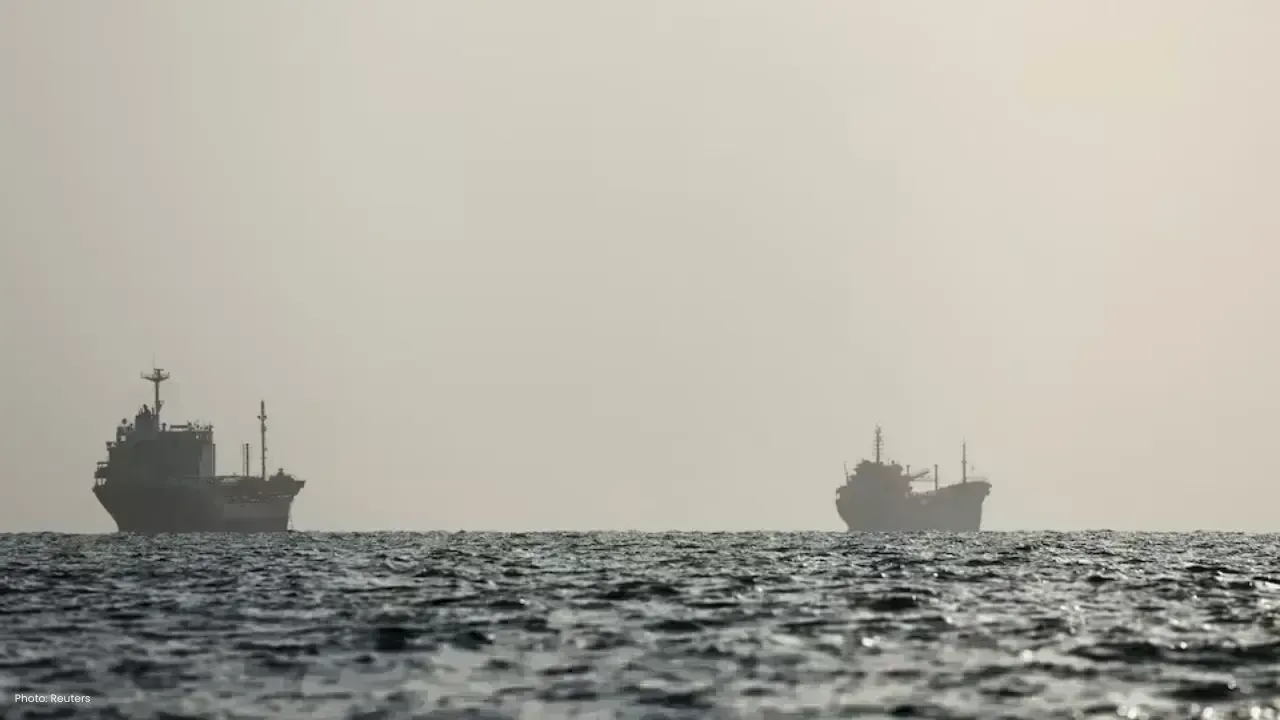
Contrary to Trump’s assertions, trade analytics indicate that Russia remains India's foremost oil supplier. Market intelligence data from Kpler reveals that India accounted for nearly 34 percent of all seaborne oil shipments from Russia in September 2025.
During that month, India imported over 4.5 million barrels per day—approximately 70,000 barrels more than in August—though slightly below last year's figures.
Research from the Centre for Research on Energy and Clean Air (CREA) shows that India purchased Russian fossil fuels valued at around ₹25,597 crore in September, remaining the second-largest buyer after China.
While state-operated Indian refineries did cut back Russian oil imports by roughly 45 percent from June to September, analysts contend this reduction was more about market dynamics and pricing adjustments than pressure from the U.S.
“This temporary decline stemmed from economic factors and shipment logistics, not political decisions,” remarked one industry insider familiar with the trade.
Oil Trade Stability in October
Global energy tracking reports indicate that India’s oil trade with Russia remained steady in October, averaging approximately 1.6 million barrels per day. This suggests that despite political rhetoric and tariffs, the energy relations between New Delhi and Moscow stay largely intact.
Energy analysts point out that Indian refineries continue to find Russian oil attractive due to its economical pricing and flexible payment arrangements. Some transactions are settled in currencies other than the U.S. dollar, aiding India in better management of its foreign reserves.
Energy Politics and Peace?
Trump’s recent comments imply he views India’s energy stance as a pivotal element in influencing Russia's strategy in Ukraine. By encouraging India and China—two of the largest Russian oil importers—to cut back on purchases, the U.S. aims to diminish the financial resources available to Moscow.
However, experts caution that it may be unrealistic to expect India to completely halt its oil imports. “India’s policy is shaped by its own national interests,” stated an Indian foreign policy analyst. “It values its relationships with both the U.S. and Russia and won't easily pick one over the other.”
Trump, who often highlights his close rapport with Modi, seems to be relying on this connection to further his geopolitical ambitions—specifically, to end the conflict in Ukraine. The effectiveness of this strategy remains uncertain, as neither Russia nor Ukraine displays willingness to compromise.
Trump’s assertion that India will halt Russian oil imports has garnered global attention and spurred debates about the future of relations among the U.S., India, and Russia. While Washington pushes for heightened economic pressure on Moscow, India remains focused on ensuring affordable energy access for its citizens and industries.
Currently, empirical data and market actions suggest that Russian oil continues to flow into India consistently, despite political tensions and stringent U.S. tariffs. Whether Trump’s diplomatic efforts will impact this dynamic or reflect India’s independent policy approach will likely shape future developments in this intricate global energy and security landscape.


 English