Post by : Shweta
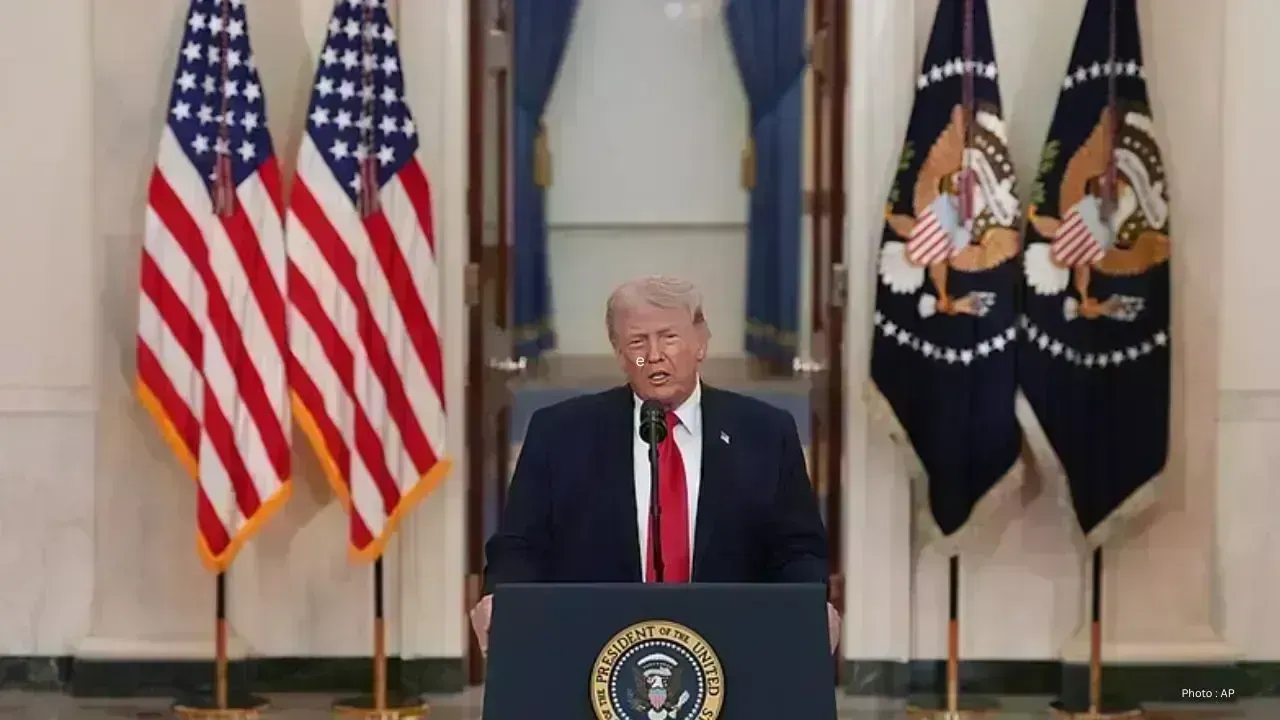
The protracted impasse between the U.S. and Iran places significant political and military strain on President Donald Trump, who is yet to realize a definitive victory or long-lasting resolution. With more than two months into escalating hostilities and tensions, the Trump administration finds itself grappling with several unmet strategic objectives, raising serious concerns among U.S. lawmakers and allies alike.
Reports indicate that despite numerous military operations, sanctions, and diplomatic outreach, the U.S. and Iran remain ensnared in a precarious stalemate. While American and Israeli airstrikes have reportedly compromised segments of Iran's military capabilities, key goals set by the Trump administration—such as curbing Iran's nuclear ambitions, diminishing its regional dominance, ensuring unobstructed access through the Strait of Hormuz, and pushing for significant political reform within Iran—remain unrealized.
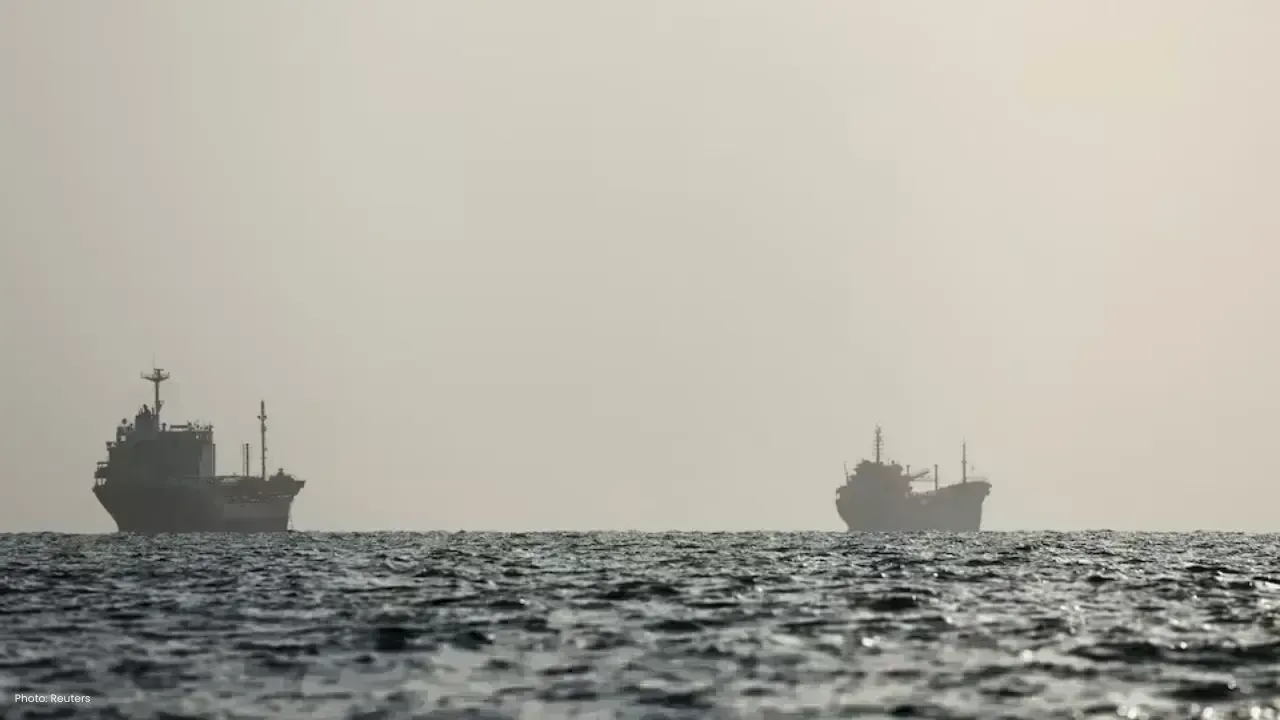
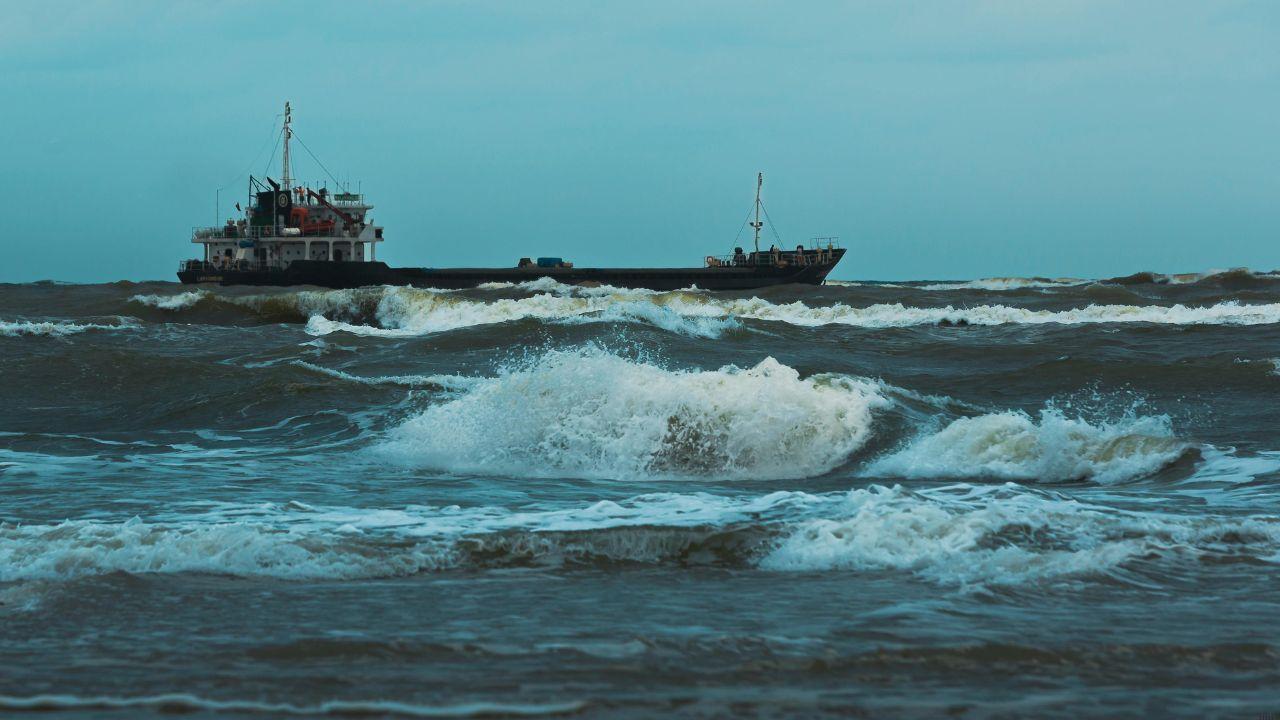
This ongoing conflict has triggered serious economic ramifications on a global scale. The disturbances around the Strait of Hormuz, a critical oil trade corridor, have influenced global energy dynamics and elevated fuel prices worldwide. With rising gasoline costs causing discontent among American consumers amid broader economic challenges, Trump now faces a political dilemma as he heads into the crucial midterms.
Although Trump recently informed Congress that hostilities had “ended” following a ceasefire accord, critics maintain that the situation remains unresolved. U.S. naval operations tied to the blockade around Iran continue, and regional tensions are far from alleviated. Lawmakers across the aisle have raised concerns regarding the absence of a coherent long-term strategy from the administration to resolve the ongoing crisis.
Diplomatic avenues are still struggling to gain traction. Recently, Iran expressed a willingness to revisit negotiations with the U.S. through Pakistani intermediaries, yet Trump dismissed the approach, asserting it did not adequately tackle issues surrounding Iran’s nuclear program and regional actions. Reports indicate Tehran prefers to postpone discussions on nuclear restrictions until a formal end of hostilities and the reopening of trade routes can be guaranteed.
Political analysts suggest that the current conflict has proven increasingly burdensome for Trump, largely due to unmet expectations of a swift resolution. Many believe the administration may have miscalculated Iran's capacity to exert pressure through its regional leverage and maritime tactics, complicating the negotiation landscape. Observers caution that extended military and economic standoffs may exacerbate U.S. relations with allies in both Europe and the Middle East.
Meanwhile, Iran grapples with severe economic challenges resulting from sanctions, military strikes, inflation, and dwindling trade. Nonetheless, its leadership remains resolute, rejecting what it deems unacceptable terms concerning national sovereignty and demanding sanctions relief and assurances on prospective U.S. military maneuvers.
The conflict has also ignited discussions in the U.S. regarding presidential war powers. Some lawmakers assert that Trump bypassed Congressional approval when he expanded military actions against Iran. While the administration contends that the ceasefire has halted the legal requirement for Congressional consent, legal experts and opposition figures continue to challenge this interpretation.
International analysts highlight a lack of a clear trajectory toward complete peace or a definitive military resolution. Instead, the scenario appears to evolve into a prolonged “no-war, no-peace” situation, where both factions persist in exerting pressure without arriving at a resolution. This uncertainty may contribute to ongoing volatility in global markets and elevate security risks across the Middle East for the foreseeable future.
As military tensions remain persistent and diplomatic dialogues stall, President Trump confronts intensifying demands to deliver tangible outcomes from a conflict that poses one of the most formidable foreign policy hurdles of his presidency.


 English