Post by : Saif
Al-Najjar
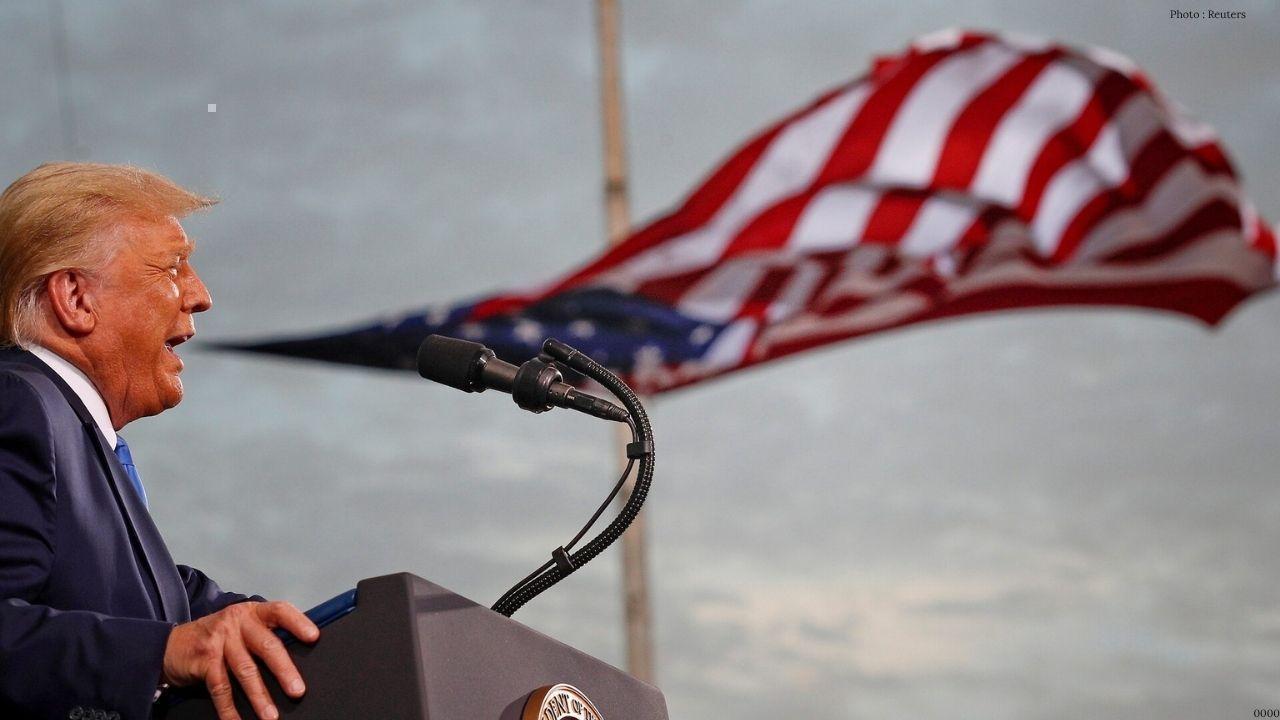
WASHINGTON – U.S. President Donald Trump on Thursday announced a new round of tariffs on imported goods, including 100% duties on branded drugs and 25% levies on heavy-duty trucks. The tariffs are expected to take effect next week, and the move has raised concerns among global businesses and markets.
Trump said the tariffs are meant to protect U.S. manufacturing, create jobs, and safeguard national security. This latest announcement adds to previous duties imposed on trading partners, which reached up to 50% on some products, including steel and other goods.
The 100% tariff on branded drugs will be waived if a company starts construction of a new pharmaceutical factory in the United States. This incentive is aimed at encouraging drug manufacturers to produce more medicines domestically rather than relying on imports. Some European countries, such as Ireland, had previously shipped large amounts of pharmaceuticals to the U.S., which may now be affected by the tariffs.
Financial markets reacted to the news. Asian stocks, particularly pharmaceutical companies, fell sharply, while European markets recovered some losses after early drops. Investors are uncertain about how widely these new duties will be applied and whether they will be added on top of existing tariffs.
Trump announced the new tariffs on his social media platform, Truth Social, without providing full details about the potential impact on trade agreements with countries like Japan, the European Union, and Britain. Some of these trade deals include caps on tariffs for products such as pharmaceuticals, so companies are waiting for clarification.
Analysts warn that the tariffs could create more challenges for global businesses already dealing with supply chain problems, rising costs, and consumer uncertainty. They also say the tariffs may lead to higher prices for American consumers, who are already feeling the impact of inflation.
The U.S. Federal Reserve has previously noted that trade restrictions contribute to higher prices for goods and services, adding pressure on families and businesses. The new tariffs are likely to intensify these economic pressures while raising questions about how global trade relationships will adjust.
Experts say that while the tariffs may support domestic manufacturing in the short term, they could also lead to retaliation by other countries, which may impose their own duties on American products. This could further disrupt global trade and slow down economic growth.
Trump’s latest move is part of a broader strategy to encourage American companies to produce more within the country. However, many international companies are concerned about the sudden changes in trade rules and are seeking clear guidance on how to comply.
The announcement comes at a time when businesses worldwide are still recovering from the effects of the pandemic, supply chain disruptions, and previous trade wars. The new tariffs are likely to influence global markets, trade negotiations, and investment decisions in the coming months.


 English