Post by : Shakul
US President Donald Trump has announced what he described as a major breakthrough in negotiations with Iran, claiming that both sides are close to finalising an agreement that could reduce tensions across the Middle East and restore stability to key global trade routes. The announcement comes after months of conflict, diplomatic efforts and growing concerns over energy security in the Gulf region.
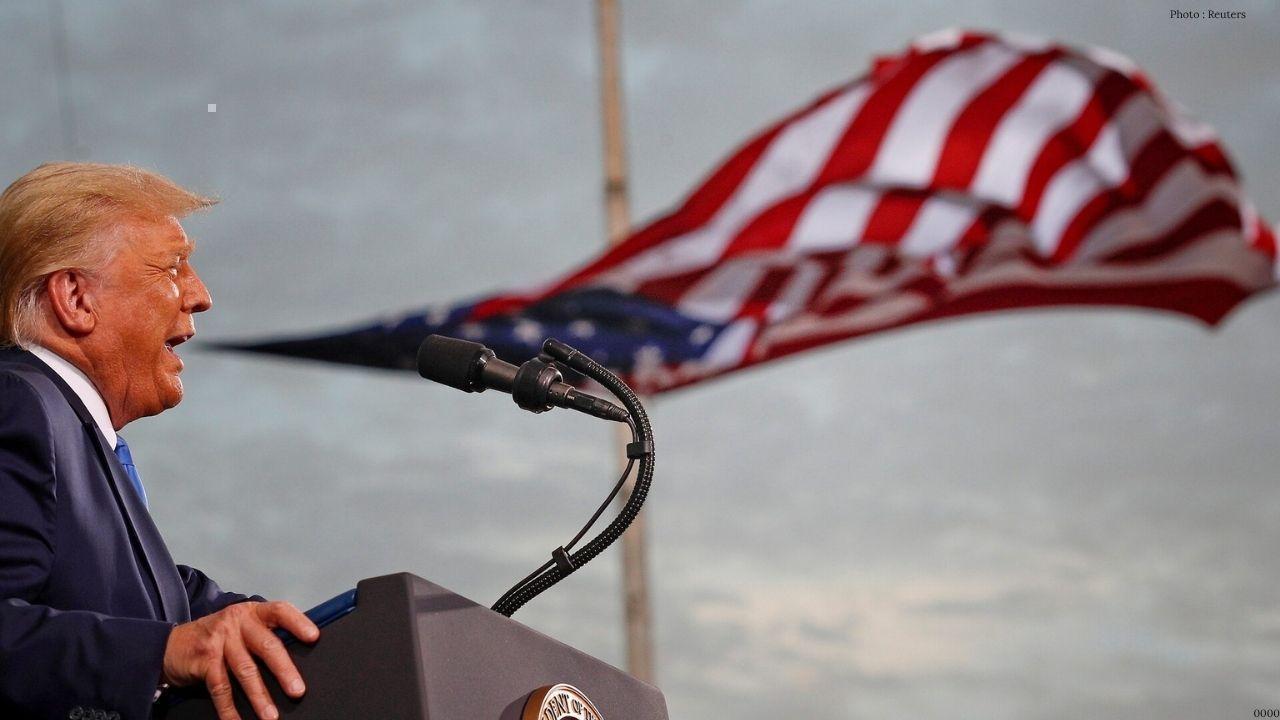
Speaking from the Oval Office, Trump said a formal agreement could be signed within days, possibly during meetings in Europe. He described the proposed arrangement as a “great settlement” and suggested it would help end the latest phase of confrontation between Washington and Tehran while preventing further military escalation.
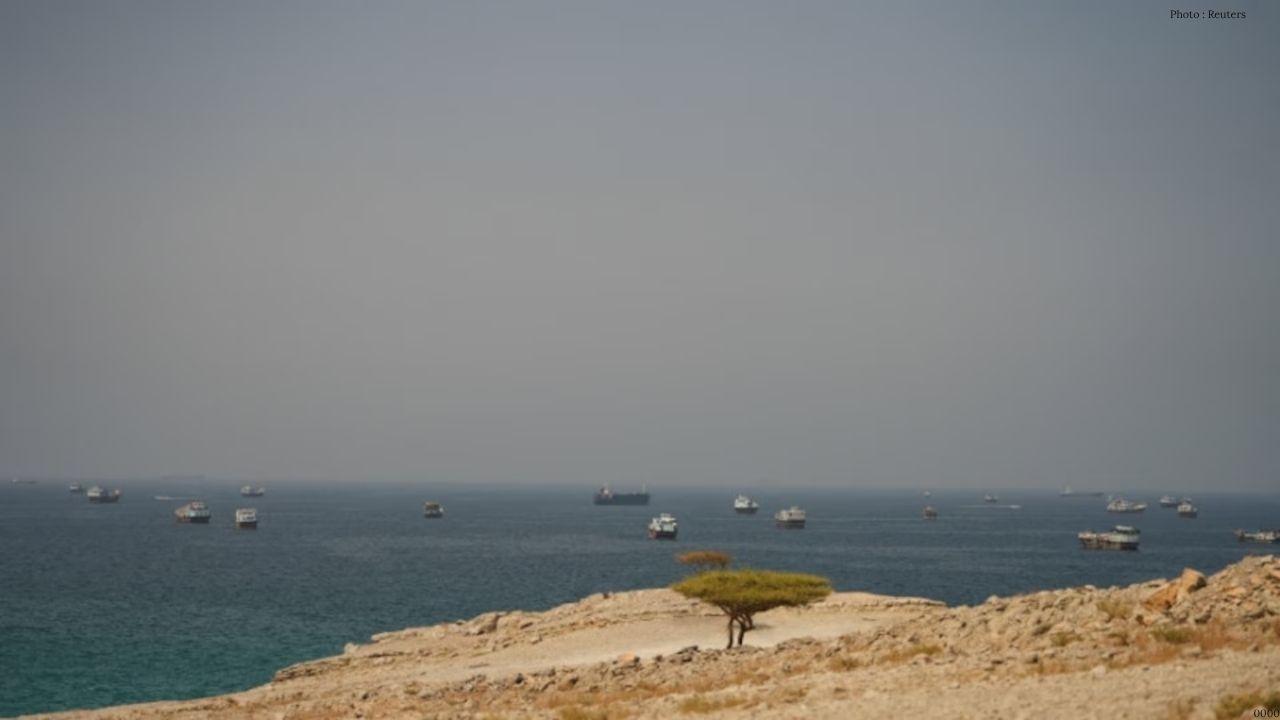
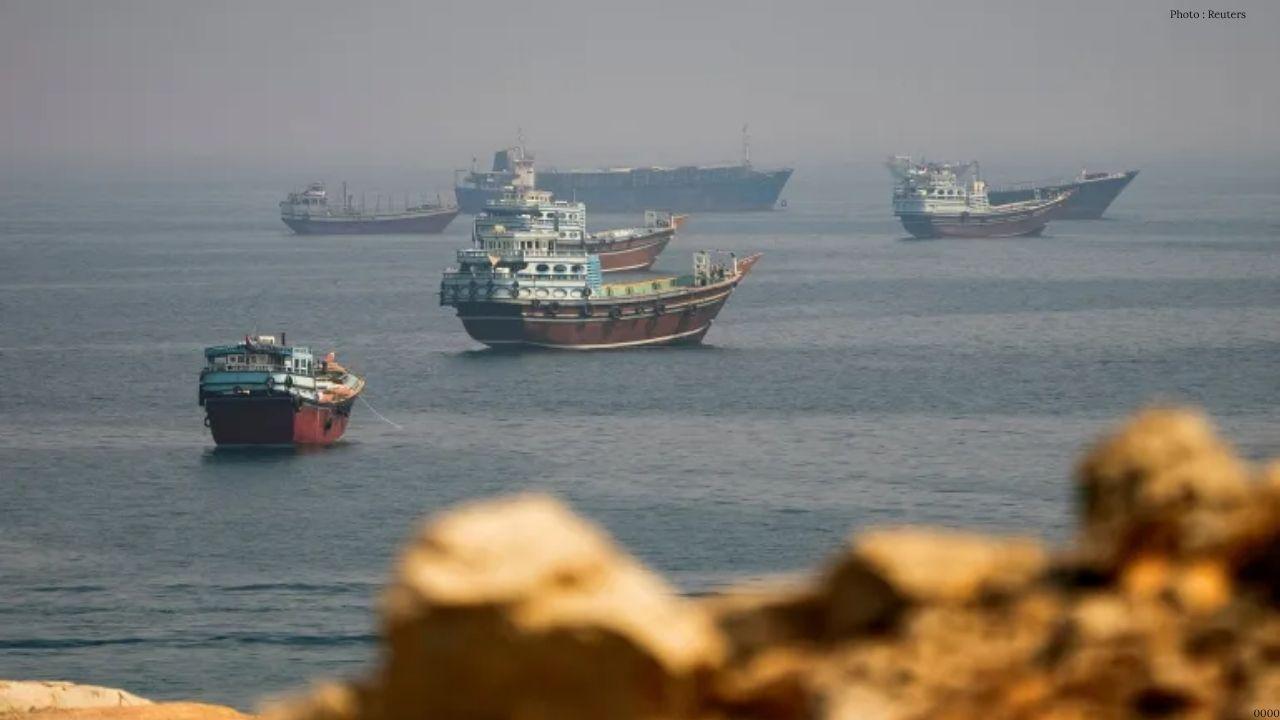
According to Trump and senior US officials, the emerging framework includes the reopening of the Strait of Hormuz for unrestricted commercial shipping, an extension of the current ceasefire, renewed negotiations on Iran’s nuclear programme and broader regional cooperation involving Gulf countries and international partners. The Strait of Hormuz remains one of the world's most strategically important maritime routes, carrying a significant portion of global energy supplies.
Trump also said he had spoken with leaders from several countries including Saudi Arabia, Qatar, the United Arab Emirates, Bahrain, Kuwait, Turkey and Israel as part of efforts to build support for the proposed settlement. He argued that restoring stability to the Gulf would help lower oil prices and strengthen global economic confidence.
However, the optimism expressed by Washington has been met with caution in Tehran. Iranian officials have pushed back against claims that a final agreement has already been approved. Reports from sources close to Iranian leadership indicate that several key issues remain unresolved and that no official authorisation has yet been granted for a final memorandum of understanding with the United States.
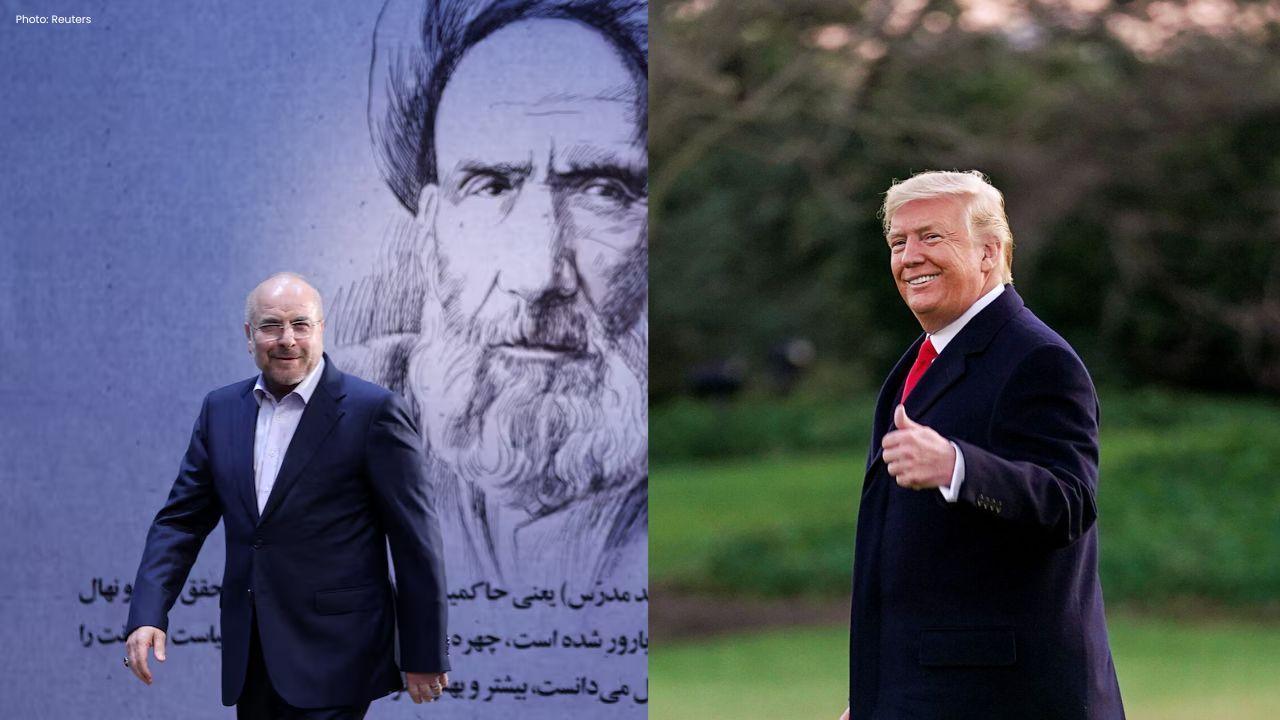
Iranian Parliament Speaker Mohammad Bagher Ghalibaf warned against premature conclusions and stressed that Tehran would carefully assess any proposal before making a final decision. His comments reflected concerns within Iran about the long-term implications of any agreement and the need to protect national interests during negotiations.
Foreign policy analysts also caution that expectations should remain realistic. Experts believe the most immediate outcome may simply be an extension of the ceasefire and the continuation of negotiations rather than a comprehensive peace agreement. While Trump has presented the development as a major diplomatic success, the final outcome will depend on whether both sides can bridge remaining differences and formally endorse the proposed framework.


 English