Post by : Shakul
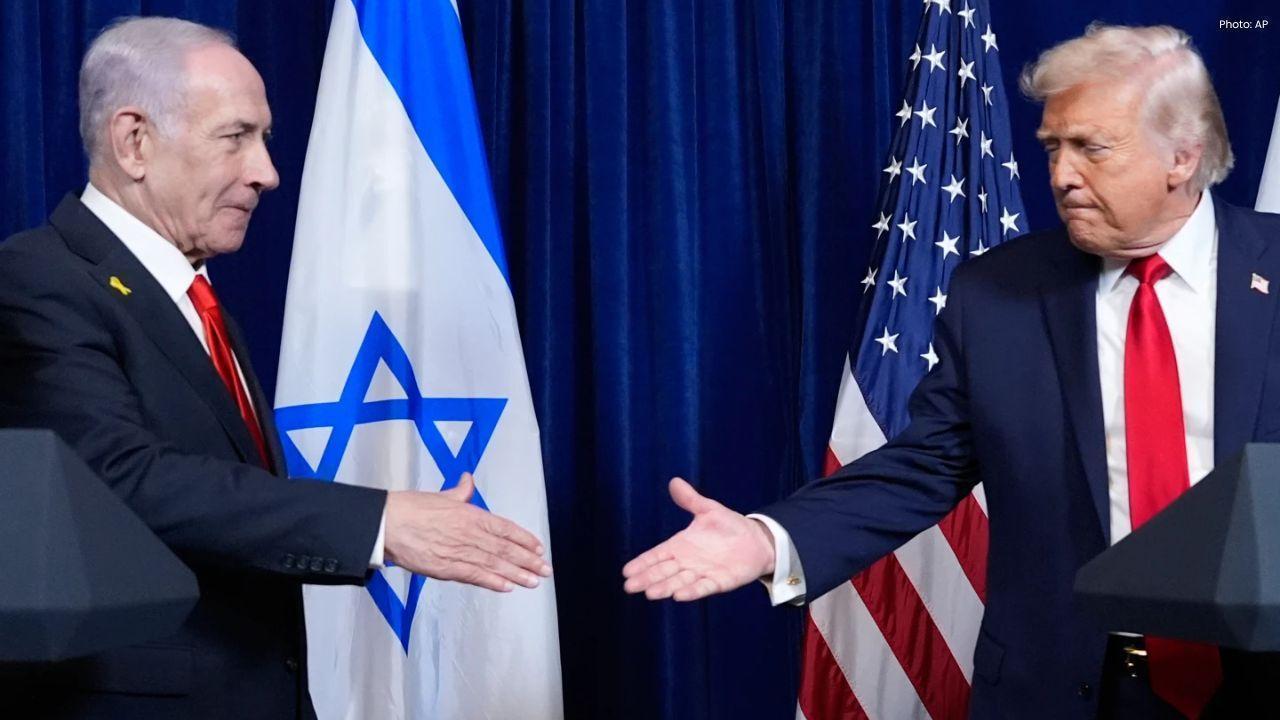
The political alliance that once appeared unshakable between United States President Donald Trump and Israeli Prime Minister Benjamin Netanyahu is showing visible signs of strain as disagreements emerge over the future of the Iran conflict. While both leaders initially presented a united front against Tehran, recent developments suggest that their political priorities are increasingly pulling them in different directions.
The differences have become more noticeable as diplomatic efforts to reduce tensions gain momentum across the Middle East. Trump has been actively encouraging negotiations and pushing for a broader regional settlement, while Netanyahu continues to advocate for maintaining military pressure on Iran and its allied groups. Analysts believe the diverging approaches reflect the domestic political challenges both leaders face ahead of important elections.
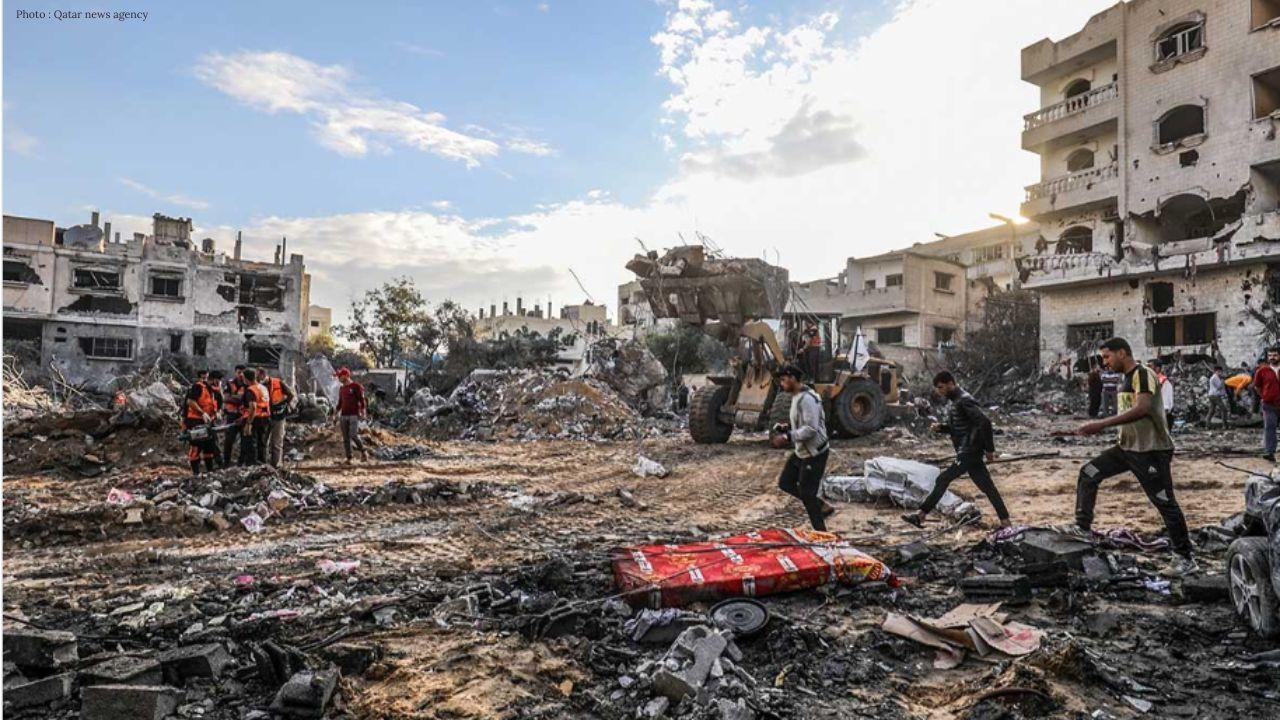
A major source of disagreement centers on Lebanon and the role of Hezbollah in the ongoing conflict. Israel has continued military operations against Hezbollah targets despite international calls for restraint. Trump reportedly expressed frustration over actions that could complicate negotiations with Iran and potentially undermine efforts to stabilize the region. The issue has become one of the most sensitive points in US-Israel relations in recent months.
Domestic politics are also playing a significant role in shaping each leader's strategy. Trump is focused on reducing regional instability and easing economic concerns at home, particularly rising fuel prices and voter concerns ahead of the US midterm elections. Netanyahu, meanwhile, faces pressure from Israeli voters who expect strong action against perceived security threats from Iran and its regional allies.
Despite the growing differences, both governments have publicly attempted to downplay suggestions of a serious rift. Trump has acknowledged disagreements but continues to describe Netanyahu as a close ally. Israeli officials have also emphasized the long-standing strategic relationship between the two countries, insisting that cooperation remains strong despite tactical disagreements.
At the center of the debate is the question of how the conflict should end. Trump appears increasingly interested in securing a diplomatic breakthrough that could reduce tensions and create a framework for future negotiations. Netanyahu, however, has repeatedly stressed Israel's right to continue military operations until what he views as security objectives are fully achieved.
Diplomatic efforts involving international mediators continue behind the scenes, with reports indicating that indirect discussions between Washington and Tehran remain active. While no final agreement has been reached, observers believe the coming weeks could prove decisive for both regional stability and the future of relations between two leaders who once appeared completely aligned on the Iran issue.


 English