Post by : Shweta
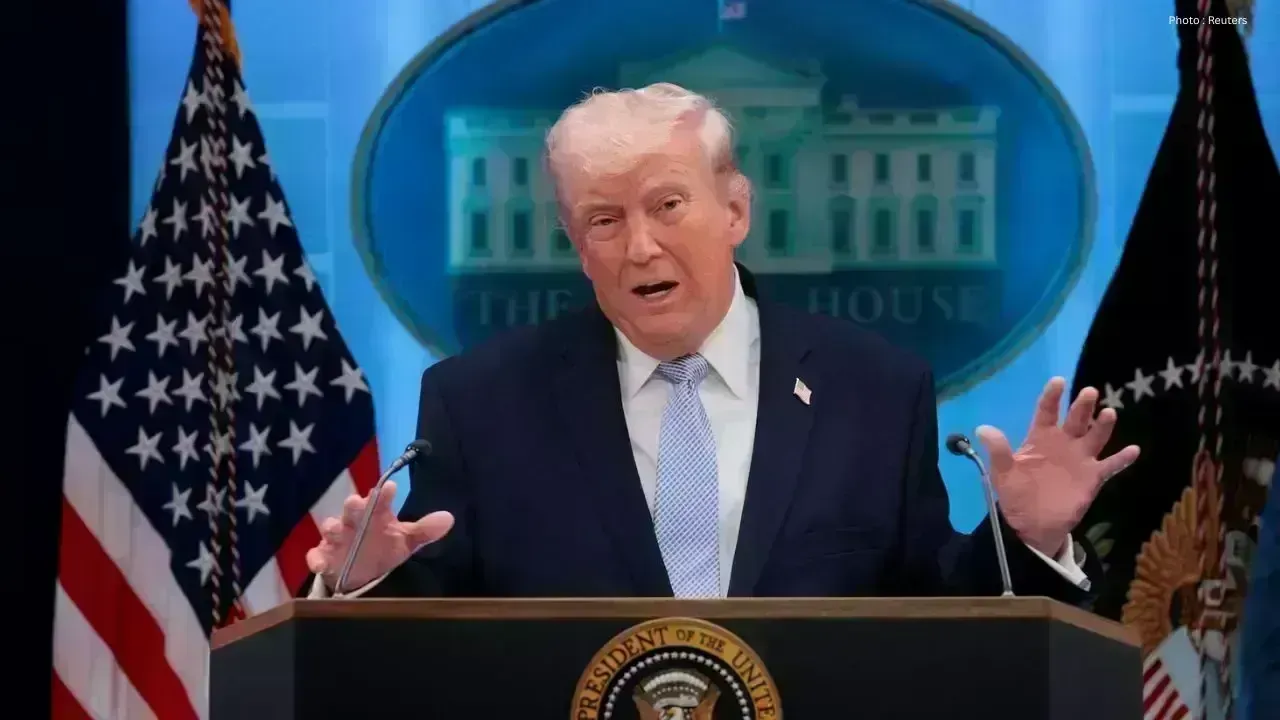
President Donald Trump announced that a prospective agreement between the United States and Iran to alleviate tensions in the Middle East is “mostly negotiated.” He stated that discussions are on the verge of reaching a conclusive framework that could facilitate the reopening of the Strait of Hormuz, a vital route for global oil shipping. This statement emerged amid ongoing diplomatic efforts involving several Middle Eastern nations and international negotiators.
Reports indicate that while Trump acknowledged final details are still under discussion, significant components of the proposed agreement have been settled. The potential deal aims to diminish military tensions, reopen the Strait of Hormuz to international commerce, and initiate new negotiations regarding Iran’s nuclear ambitions. Trump noted that regional leaders have encouraged the U.S. to proceed with the agreement to prevent further conflicts in the Gulf.
The Strait of Hormuz is a crucial passageway situated between Iran and Oman, through which around 20% of the world’s oil supply flows daily. Increased military actions, naval blockades, and assaults on vessels have exacerbated concerns about an expansive regional conflict, leading to a rise in global oil prices recently.
Proposed terms include a temporary ceasefire, removal of naval mines from the Strait, and improved access for commercial shipping. In exchange, the U.S. might ease some restrictions on Iranian ports and provide limited sanctions relief related to oil exports. However, Iranian officials have not fully corroborated all of Trump’s statements, with local media suggesting Tehran demands control over security in the strait and assurances against future military actions by the U.S.
Diplomatic initiatives have reportedly involved officials from Pakistan, Saudi Arabia, Qatar, the UAE, Egypt, Jordan, and Turkey. Pakistan's leadership remarked that recent discussions have shown “promising progress,” while regional powers continue their dialogues with Washington and Tehran to avert military escalations.
U.S. Secretary of State Marco Rubio also affirmed that negotiations are progressing, although significant issues remain unresolved, including Iran’s nuclear enrichment activities, missile programs, and demands for sanctions relief. Analysts opine that finalizing an agreement may still take time due to persistent disagreements over crucial security and political issues.
News of a possible reopening of the Strait of Hormuz has already impacted global markets. Following reports of diplomatic advancement, oil prices dipped, suggesting that restoring stability in the region could enhance worldwide energy supplies. Experts note that a successful agreement would hold implications not just for the Middle East but also for global trade, oil markets, and international security.


 English