Post by : Saif
Al-Najjar
Vietnam is reeling from the devastating impact of Typhoon Bualoi, which struck the country’s northern central coast on Monday. The storm has claimed at least eight lives and left 17 people missing, mainly fishermen caught in the powerful waves. Authorities and emergency teams are working around the clock to locate those still unaccounted for and assist the thousands affected by the storm.
Bualoi first moved along Vietnam’s coast, producing waves as high as eight meters and causing heavy rainfall, strong winds, and widespread flooding. According to the national weather agency, wind speeds reached 117 kilometers per hour at the time of landfall. By late morning, the storm had weakened to 74 kilometers per hour as it moved over Nghe An province and towards Laos.
Human Toll and Missing Fishermen
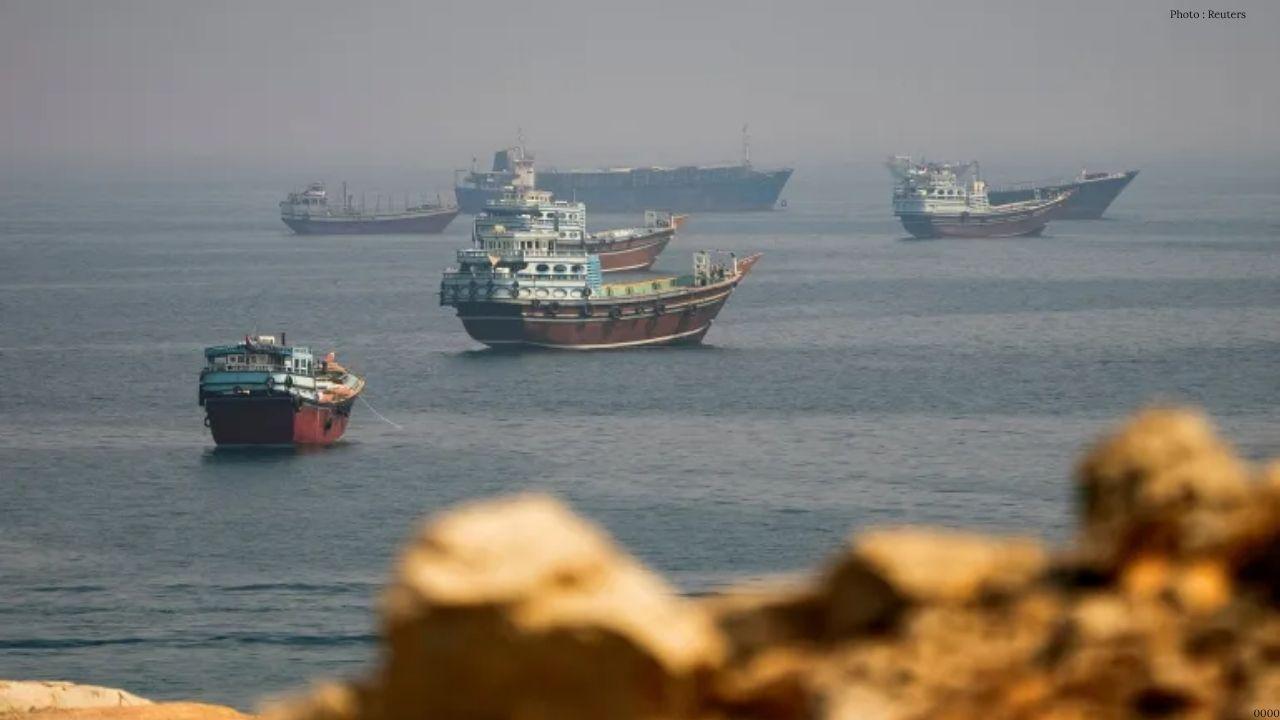
The human cost has been significant. In Ninh Binh province, eight people lost their lives and seven others were injured due to strong winds. In Hue city, one person drowned in floodwaters, while another died after a tree fell on them in Thanh Hoa province. In Quang Tri province, 17 fishermen remain missing after two fishing boats were hit by huge waves, and another boat lost contact during the typhoon. Search and rescue operations are ongoing in these areas.
Property and Crop Damage
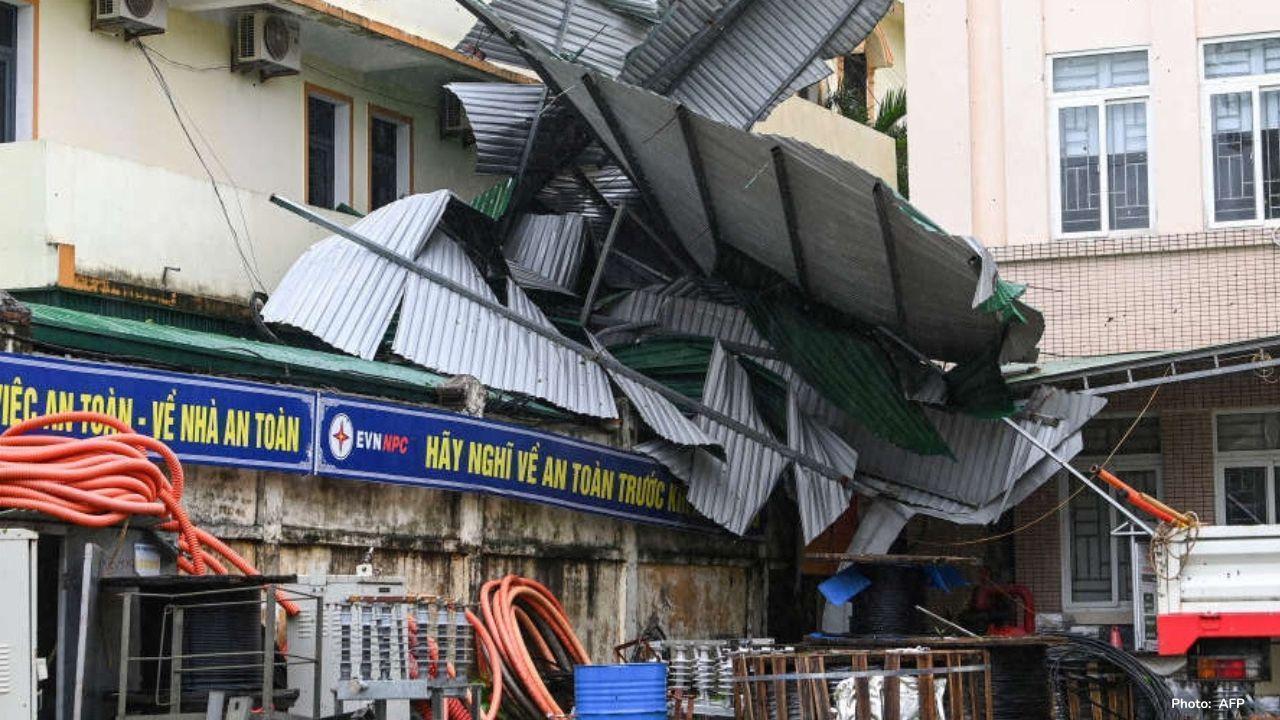
The storm has caused widespread property damage. Nearly 245 homes have been destroyed, and almost 1,400 hectares of rice and other crops have been inundated. Roads have been flooded, electricity supply disrupted, and access to some areas temporarily cut off. Fortunately, industrial facilities in the path of the typhoon, including factories owned by Foxconn, Luxshare, Formosa Plastics, and Vinfast, reported no major damage.
Government Precautions and Response
The Vietnamese government had taken proactive steps to reduce the impact of the storm. More than 28,500 people were evacuated ahead of the typhoon’s arrival, and flights were canceled or delayed as four airports in central provinces were closed. Despite these measures, the combination of heavy rains and high winds caused significant disruption across the affected regions.
Weather Warnings and Future Risks
Meteorologists have warned of continued risks. Rainfall in some areas is expected to reach 500 millimeters from Sunday night through Tuesday. The heavy rains raise the threat of floods and landslides, which could put additional lives and property at risk. Vietnam’s long coastline, facing the South China Sea, is prone to typhoons, many of which originate east of the Philippines. Last week, Bualoi struck the Philippines, killing at least ten people.
Challenges and Climate Concerns
The typhoon has highlighted the vulnerability of coastal and low-lying communities in Vietnam. While early evacuations and warnings saved many lives, the storm’s intensity has still caused tragic losses. Experts say climate change is increasing the frequency and intensity of typhoons in the region, making such disasters more severe.
Authorities continue to focus on rescue operations, restoring electricity, and providing food and shelter to displaced people. Emergency teams are also working to clear roads and ensure that medical and relief supplies reach areas cut off by flooding. Local and national governments are coordinating with community leaders to support affected families, especially fishermen and farmers who have lost their livelihoods.
Lessons and Regional Implications
Typhoon Bualoi serves as a stark reminder of the ongoing challenges that countries like Vietnam face in dealing with natural disasters. While preparedness and early response are essential, long-term strategies for resilient infrastructure, safer housing, and sustainable environmental practices are equally critical to minimize future risks.
The coming days will be crucial as emergency services continue to search for the missing, assess the full scale of damage, and support survivors. The nation now faces the difficult task of recovery, rebuilding homes, and helping communities return to normal life while preparing for future storms.
Vietnam’s experience underscores the need for international cooperation on disaster management and climate adaptation, particularly for countries that regularly face extreme weather events. As the storm moves into Laos, regional authorities are on high alert, hoping to prevent further loss of life and damage.
Typhoon Bualoi has caused heartbreak for families, disrupted livelihoods, and challenged local authorities, but it also demonstrates the importance of preparedness, community cooperation, and quick response in saving lives. The lessons learned from this disaster will be essential for improving safety measures and protecting vulnerable populations in the future.


 English