Post by : Shweta
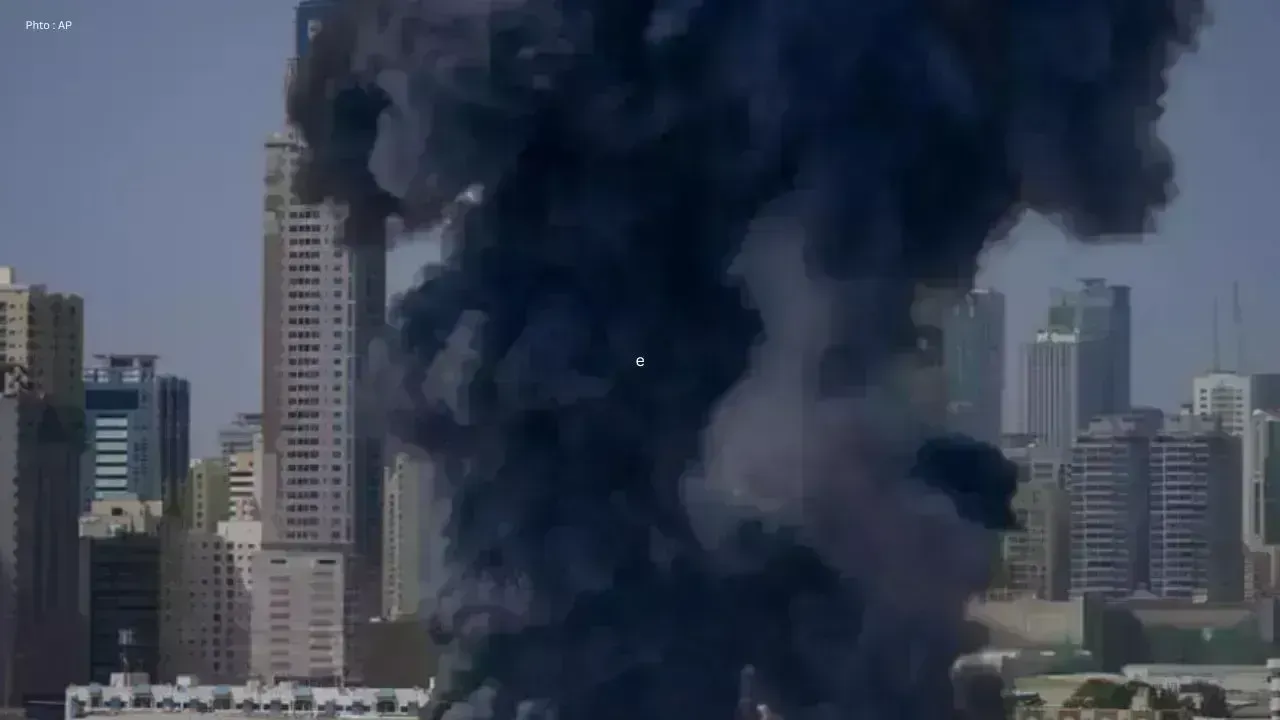
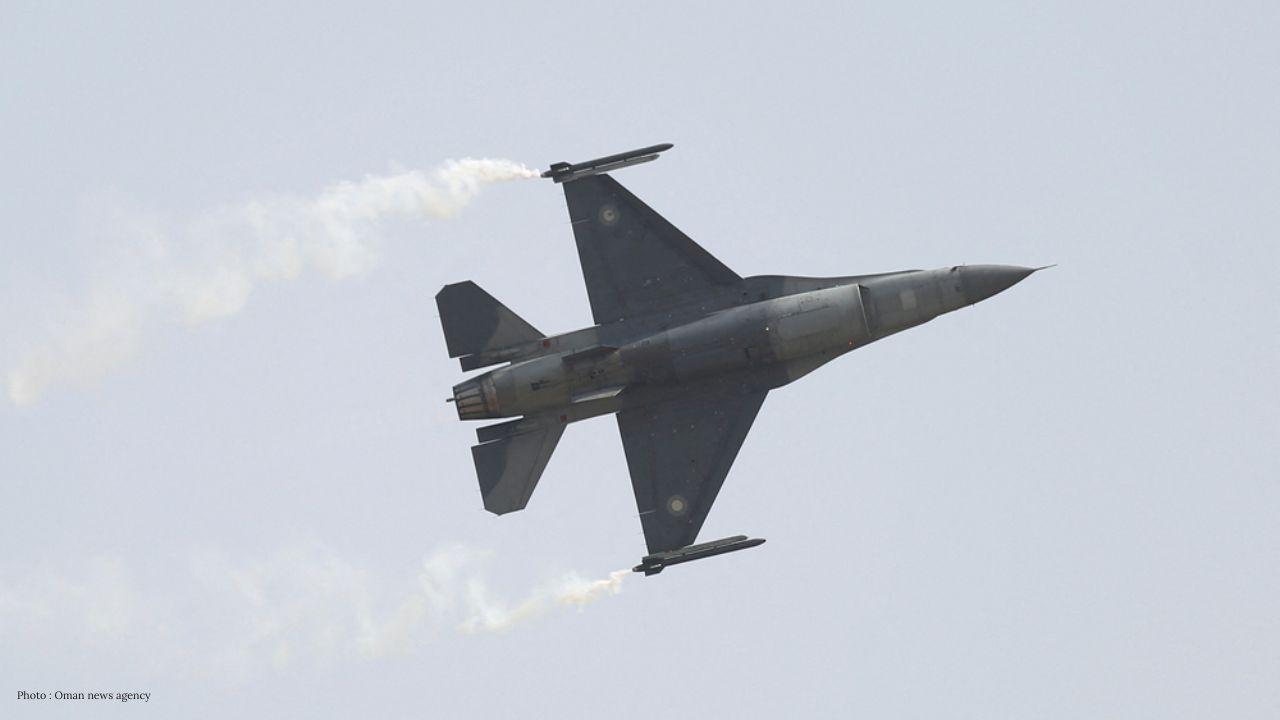
Escalating tensions in the Middle East have prompted the United Arab Emirates to confirm its air defense systems intercepted fresh Iranian missile and drone assaults, stirring fears that the already fragile ceasefire between Iran and the United States may dissolve. This resurgence of conflict follows a brief period of military restraint instated weeks earlier amid escalating Gulf tensions.
Reports indicate that several projectiles targeting UAE strategic locations were intercepted by national defense systems. Emergency protocols were activated swiftly, ensuring security forces remained vigilant throughout the night. Though no significant injuries were reported, monitoring efforts are ongoing as authorities assess the environment.
This recent violence escalated following a major incident in the Strait of Hormuz, where U.S. and Iranian forces reportedly exchanged fire. Iranian drones, missiles, and fast attacks targeted American naval destroyers, leading to successful interceptions before U.S. forces enacted retaliatory measures against identified Iranian positions.
Iran has accused the United States of violating the ceasefire via attacks on Iranian-affiliated vessels and strategic sites around the Gulf, arguing that their military actions are defensive against what they define as unlawful aggression. In light of these events, former U.S. President Donald Trump maintained that the ceasefire remains technically “in effect” and that behind-the-scenes negotiations persist.
The Strait of Hormuz has regained prominence in global discussions, recognized as a crucial passage for oil shipping where any military conflict could impact global energy prices. With disruptions reported in shipping activities and a spike in oil prices, investors brace for potential fallout from broader regional turmoil.
The UAE condemned the latest attacks, calling them a perilous escalation that threatens civilian safety and regional stability. Neighboring Gulf nations, including Saudi Arabia, Bahrain, Kuwait, and Qatar, have fortified their security measures following these incidents. Analysts express growing alarm that the ceasefire may not withstand ongoing hostilities.
International diplomatic efforts are in motion, involving Pakistan, European governments, and representatives from the United Nations to negotiate a ceasefire and restore maritime stability. However, experts warn of the fragile trust between Iran and the United States, citing persistent accusations of ceasefire breaches from both parties.
The ongoing conflict has raised significant economic and security concerns throughout the Middle East, with airports, ports, oil facilities, and military installations across Gulf nations repeatedly threatened. Experts fear that further attacks on regional assets could disrupt global commerce and escalate instability.
As diplomatic channels remain open, the latest series of attacks casts doubt on the viability of the current ceasefire. Military analysts suggest the forthcoming days are pivotal in deciding whether to return to negotiations or plunge into broader conflict involving multiple countries in the Middle East.


 English