Post by : Mariam
Al-Faris
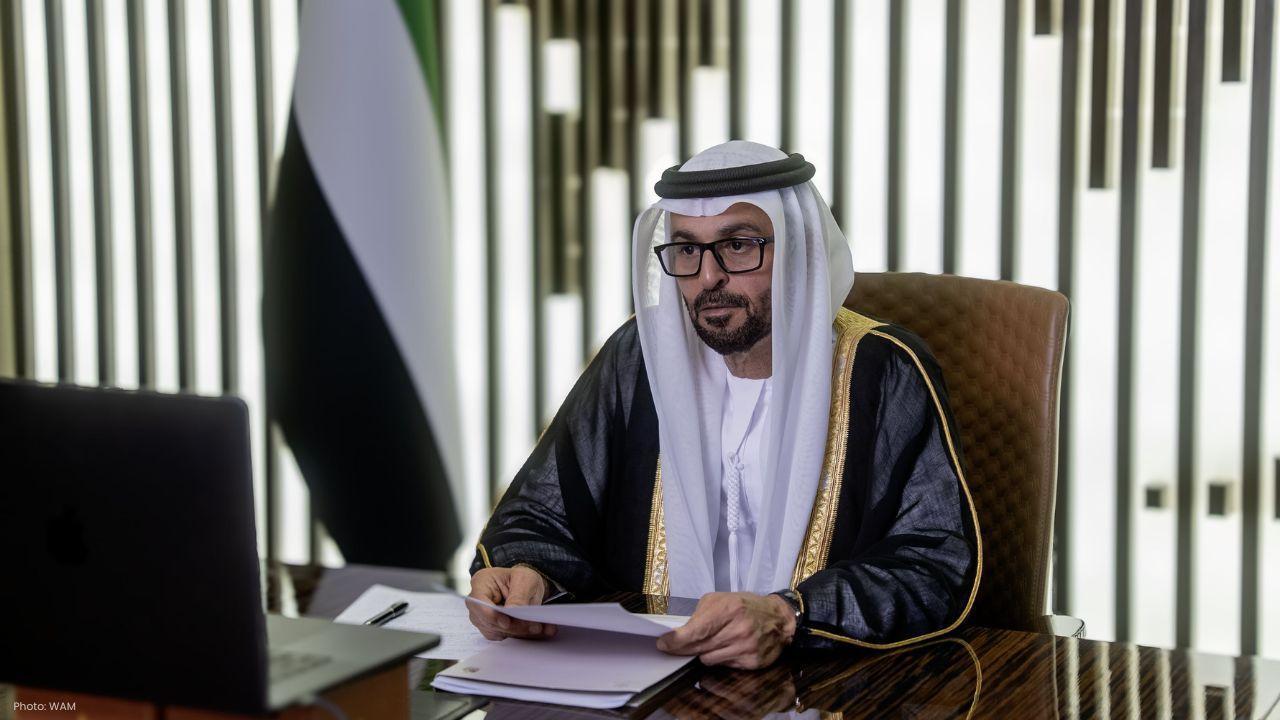
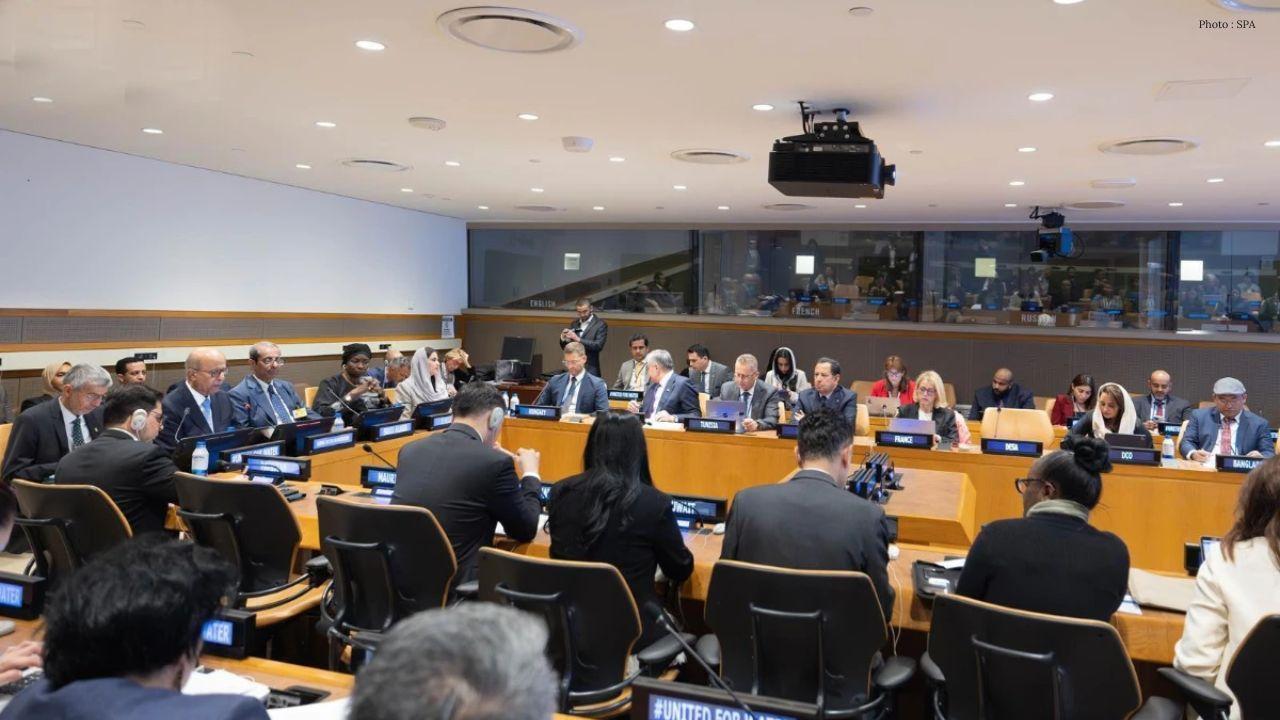
The UAE Public Prosecution recently participated in the 7th Meeting of Heads of Prosecution Services of BRICS Countries. The meeting was organized under the chairmanship of the Federal Public Prosecutor’s Office of Brazil and was held via videoconference. The session was themed “Artificial Intelligence and Justice: Strategies for Legal Security, Ethics, and International Cooperation”, drawing attention from senior legal officials and heads of public prosecution authorities from all BRICS member states.
The UAE delegation emphasized its commitment to adopting modern technological advancements, including artificial intelligence (AI), in prosecutorial processes. This participation underscores the country’s focus on integrating technology in the justice sector, supporting ethical practices, and promoting international collaboration in criminal justice.
Significance of BRICS in Global Legal Cooperation
BRICS, which stands for Brazil, Russia, India, China, and South Africa, is a group of emerging economies that aims to foster cooperation across economic, political, and social domains. In recent years, the bloc has expanded its focus to include legal and judicial collaboration, recognizing that global challenges like cybercrime, cross-border fraud, and digital evidence require a unified approach.
By participating in these meetings, the UAE contributes to shaping strategies that enhance international legal standards, exchange best practices, and foster partnerships for justice across continents. The UAE’s involvement also demonstrates the country’s proactive engagement in global rule-of-law initiatives, reinforcing its image as a leader in legal innovation.
AI and Technology in Modern Justice Systems
A major focus of the BRICS meeting was the role of artificial intelligence in justice systems. AI technologies are increasingly being used to assist prosecutors in case management, predictive analysis, legal research, and decision-making processes. For public prosecution authorities, AI can:
-
Analyze large volumes of data to identify patterns in criminal behavior.
-
Support evidence evaluation and speed up case proceedings.
-
Enhance accuracy in sentencing recommendations while maintaining fairness.
-
Ensure efficient resource allocation for investigative and prosecutorial functions.
The UAE Public Prosecution highlighted its commitment to integrating these tools while ensuring adherence to ethical and legal standards, as technology adoption must balance efficiency with fairness, privacy, and transparency.
UAE’s Commitment to Ethical and Secure Justice
During its address, the UAE reaffirmed support for joint initiatives aimed at:
-
Strengthening the rule of law by implementing AI-assisted judicial processes.
-
Safeguarding citizens’ rights in line with national and international laws.
-
Promoting criminal justice efficiency through technology-driven innovation.
-
Encouraging cross-border legal cooperation to tackle cybercrime, human trafficking, and financial crimes.
The UAE delegation emphasized that legal security and ethics must guide all AI applications in prosecutorial work. The country has consistently advocated for policies that ensure AI adoption does not compromise individual rights or due process.
Previous UAE Collaborations and International Engagements
The UAE has a strong track record of international collaboration in justice and technology. Some notable efforts include:
-
Partnering with interpol and regional law enforcement agencies to combat cybercrime.
-
Hosting conferences on digital transformation in justice systems, where AI, blockchain, and other technologies are explored.
-
Collaborating with countries such as the United States, European nations, and Asian partners to exchange best practices in prosecutorial efficiency and criminal justice reform.
Participation in the BRICS meeting is an extension of these initiatives, allowing the UAE to share experiences and learn from other emerging economies, fostering innovative solutions to global challenges.
AI and International Cooperation
The discussions at the BRICS meeting highlighted the need for a coordinated approach to AI governance in the justice sector. Key takeaways include:
-
Establishing frameworks for responsible AI usage in prosecution.
-
Creating mechanisms for knowledge sharing and collaborative research among BRICS countries.
-
Developing international standards for data protection and cybersecurity in AI-assisted justice systems.
The UAE’s active participation signals its readiness to contribute to shaping global legal standards, ensuring that technological innovations serve justice effectively and ethically.
UAE’s Role in Modern Justice
The 7th BRICS meeting reflects the UAE’s strategic vision of integrating technology and international cooperation in prosecutorial services. By participating, the UAE Public Prosecution strengthens its ties with other BRICS nations while promoting innovation, ethical standards, and global legal collaboration.
The event marks another step in the UAE’s journey to position itself as a regional and global hub for advanced, technology-driven legal frameworks, capable of addressing contemporary challenges while upholding justice and the rule of law.


 English