Post by : Saif
Al-Najjar
The United Arab Emirates (UAE) has completed the withdrawal of its remaining military forces from Yemen, signaling a significant shift in Middle Eastern dynamics. What was initially a cooperative military mission with Saudi Arabia has evolved into escalating tensions, raising alarms over Yemen's future and the stability of Gulf nations.
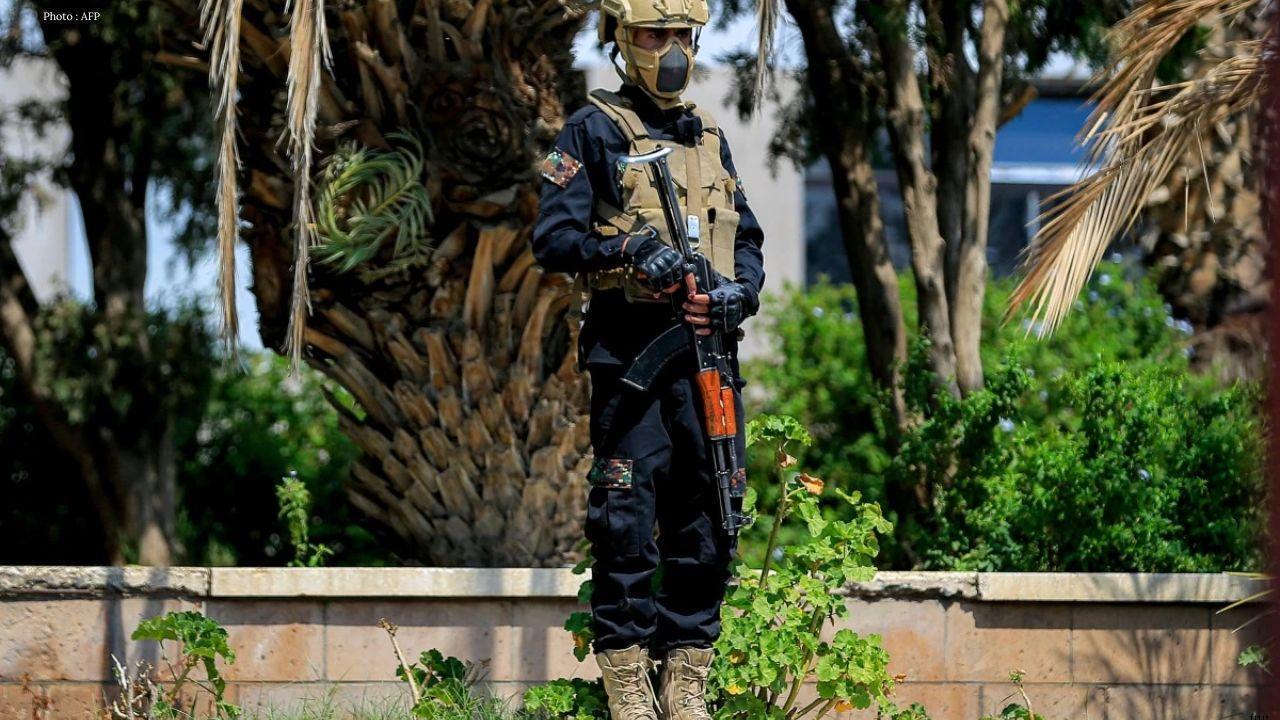
On December 30, the UAE declared it would terminate its military presence in Yemen, with the remaining troops primarily involved in counterterrorism. This decision follows the UAE's official military exit in 2019, and the UAE defense ministry emphasized that the withdrawal was driven by an evaluation of the circumstances on the ground.
This announcement coincided with airstrikes by Saudi-led coalition forces on Yemen’s southern port city of Mukalla, which Saudi officials claimed targeted arms shipments allegedly linked to the UAE and intended for separatists. This military action has heightened friction between the former allies.
Saudi Arabia has strongly supported a demand from Yemen’s presidential council for the immediate exit of Emirati troops. Rashad al-Alimi, leading the Saudi-backed council, accused the UAE of inciting rebellion through its ties with the Southern Transitional Council (STC), a group advocating for southern Yemen's independence.
The UAE refuted these allegations, expressing surprise over the Saudi airstrike and asserting that the shipments arriving in Mukalla did not carry arms, but were intended solely to assist its personnel. The UAE is keen on achieving a resolution that bypasses further hostilities based on verified facts.
Once aligned closely in a coalition to counter Yemen's Iran-backed Houthi militants since 2015, Saudi Arabia and the UAE's interests have diverged. While Saudi Arabia aims to maintain Yemen as a unified state under an internationally recognized government, the UAE has formed solid ties with southern factions like the STC.
This divergence has led to outright conflict, with Saudi officials labeling the UAE’s support for the STC as a direct security threat, reiterating firm language regarding their national interests.
The STC has recently launched a significant offensive against Saudi-supported forces, breaking a prolonged stalemate, and capturing significant southern territories, including the critical Hadramout province, despite Saudi warnings.
Saudi officials have claimed that two vessels arrived at Mukalla port from UAE’s Fujairah without the necessary approvals. Media from Saudi Arabia displayed footage of a ship allegedly unloading weapons and military assets. The UAE-associated shipping entity has not commented on these claims.
While Saudi officials reported no civilian casualties from the airstrike, Yemeni state channels showed damages and rising smoke from the port area. In reaction, Alimi has enforced a temporary no-fly zone and placed marine and land blockades on various ports for a duration of 72 hours.
The ongoing crisis has garnered international attention, with U.S. Secretary of State Marco Rubio engaging in discussions with foreign ministers from both Saudi Arabia and the UAE regarding the escalating tension. Other Gulf nations, including Kuwait and Bahrain, have advocated for diplomacy and political solutions, while Qatar emphasized the interconnected security of Gulf states.
Additionally, the UAE’s withdrawal may influence global oil markets. Given both nations are pivotal OPEC members, any significant rift could complicate consensus on oil output regulations, leading to a negative market response as seen with declines in Gulf stock indices following the news.
While the UAE’s exit could temper immediate tensions, unresolved questions linger. Will the UAE cease its backing of the STC? Can Saudi Arabia ensure cooperation among its Yemen allies? Most importantly, will ordinary Yemenis find respite after enduring prolonged conflict?
Yemen continues to grapple with one of the world’s dire humanitarian situations. The discord between former allies exacerbates the crisis, illustrating the fragility of regional alliances and the volatility of shared objectives. As a result, the UAE's exit reflects not merely a change in military strategy but also deeper fissures within Gulf partnerships, with implications for Yemen's future, regional peace, and global energy markets.


 English