Post by : Saif
Al-Najjar
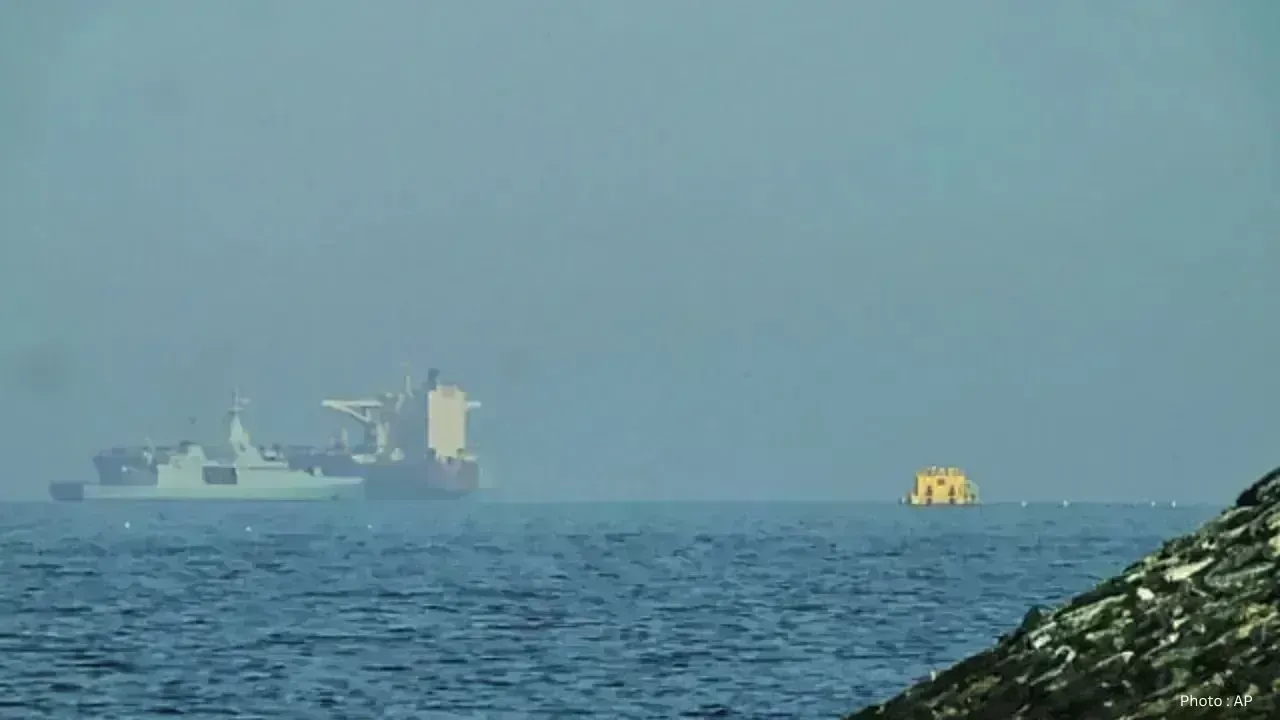
The UK Maritime Trade Operations has issued a warning indicating that the threat level in the Strait of Hormuz is still deemed “critical,” emphasizing the substantial dangers for ships navigating this crucial trade route.
This alert emerges amid escalated tensions in the region, particularly between the United States and Iran. The agency’s advisory illustrates the relentless hazards faced by vessels in the area, including the risks of sudden assaults and military operations.
Maritime security updates indicate no signs of improvement in the situation, which continues to remain a high-risk area. Ships must adhere to stringent safety protocols due to threats of missile strikes, drone activities, and potential sea mines complicating standard shipping operations.
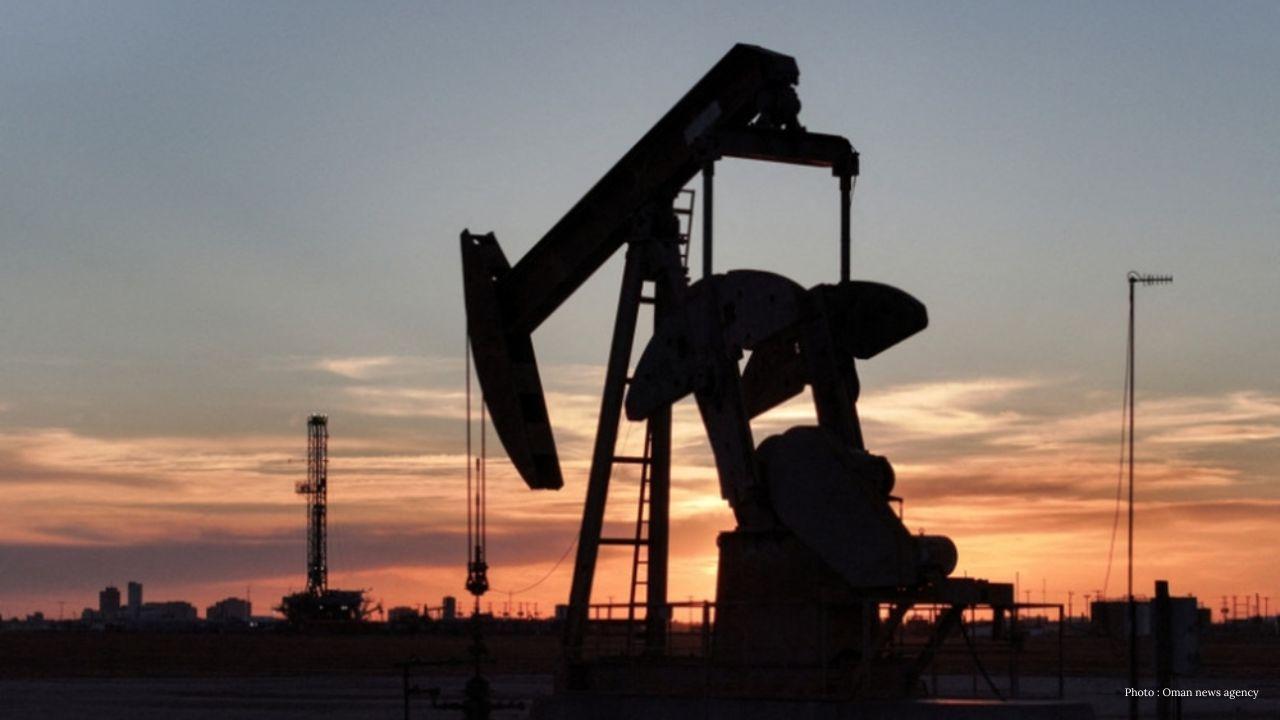
The Strait of Hormuz is a narrow but essential passage linking the Persian Gulf to global markets, facilitating a significant portion of the world's oil supply daily. Any disruption here can swiftly impact global trade and energy pricing.
Recent occurrences have heightened these apprehensions, with several vessels being targeted or redirected due to safety concerns. Many ships are now opting to remain outside the Strait, leading to a notable decrease in shipping traffic.
Reports indicate that countless vessels find themselves stranded or delayed in the vicinity, with sailors facing adverse conditions and shortages of essentials as they await safer circumstances.
This ongoing crisis is beginning to have worldwide economic repercussions, with oil prices escalating as the number of ships transporting energy supplies diminishes. If this trend continues, it could result in increased fuel costs and higher prices for everyday goods across various nations.
The current scenario intensified following earlier tensions this year. Military confrontations and reciprocal warnings have fostered an atmosphere of fear and volatility, contributing to a rise in reports of attacks on commercial ships, thereby elevating the sense of threat.
Despite continuous diplomatic endeavors, a viable solution remains elusive. Conversations among different nations process, but the divide in their positions appears significant. Concurrently, military activities in the area persist, sustaining the elevated risk level.
The announcement from the UK Maritime Trade Operations serves as a vital reminder that the ongoing situation remains serious, signaling that the Strait of Hormuz remains perilous and that vessels must exercise constant vigilance.
This crisis underscores how a regional problem can have global implications. A single disruption in this critical waterway can affect international trade, energy supply chains, and daily life in numerous countries.
For the time being, prudence remains paramount. Ships are urged to stay vigilant, adhere to safety protocols, and be ready for abrupt changes. There is hope that diplomatic initiatives will help ease tensions and restore stability to the region before conditions worsen further.


 English