Post by : Shweta
The United States has officially extended its restrictions on advanced artificial intelligence (AI) chip exports to include Chinese entities operating outside of China, effectively closing a loophole previously exploited in its tech control framework. This initiative is part of an overarching strategy by Washington to curtail China's access to sophisticated semiconductor technologies critical for bolstering its AI industry and enhancing military capabilities.
The U.S. Department of Commerce’s Bureau of Industry and Security (BIS) clarified that export licenses are mandated for advanced AI chips sent to companies headquartered in China, even if they are located in other countries. Officials highlighted this clarification as essential in light of uncertainties regarding the legality of Chinese firms obtaining restricted chips via foreign subsidiaries.
Reports indicate that the revised policy addresses fears that certain Chinese tech companies could have been acquiring AI processors through operations in locations such as Malaysia and other Southeast Asian nations. Industry insiders suggest that a significant volume of advanced chips may have reached Chinese-connected firms via these overseas channels in the past year.
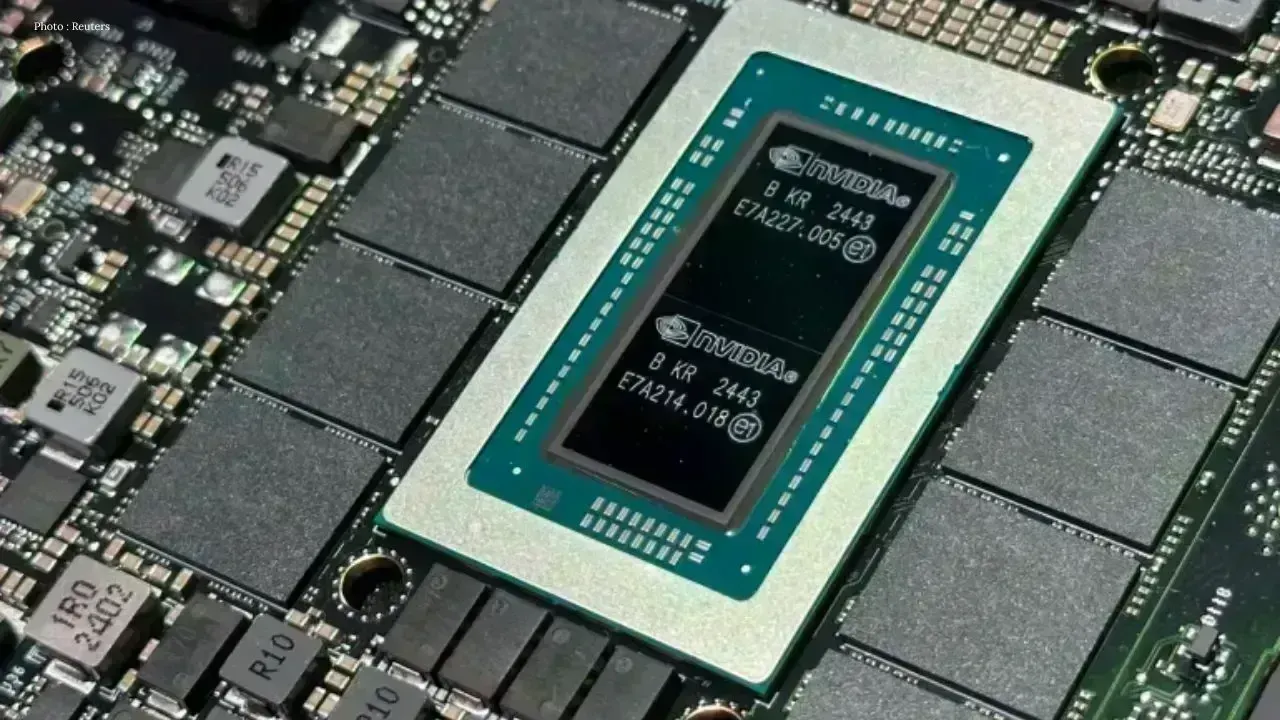
The controversy centers around cutting-edge AI chips manufactured by NVIDIA and Advanced Micro Devices. Products like Nvidia’s Blackwell and Rubin chips, alongside AMD’s MI350X processors, are pivotal for developing and operating advanced AI systems. These chips provide the necessary computational power for extensive language models, AI research initiatives, and next-generation technological advancements.
This announcement follows the decision made by the Trump administration in 2025 to not fully enforce a framework established during Biden's tenure, known as the AI Diffusion Rule. Critics contended that this decision inadvertently created an avenue for Chinese companies to obtain advanced chips through foreign entities. The new guidelines make it clear that the U.S. maintains its intention to restrict Chinese firms' access to leading-edge AI technology, irrespective of their operational location.
Experts suggest that this clarification signifies increasing apprehension in Washington over China's rapid advancements in artificial intelligence. U.S. policymakers are beginning to see advanced semiconductors as vital for economic competitiveness, national security, and military advancement. Limiting access to these chips has become a central tenet of America’s strategic approach to China.
Nvidia remarked that the newly issued guideline aligns with its existing compliance practices, noting that the company has always required licenses for exporting restricted products to businesses based in China. Nonetheless, this clarification may lead to heightened scrutiny of future sales and supply chains involving Chinese-related businesses operating internationally.
While the policy effectively closes one loophole, analysts point out that challenges persist. The guidelines do not mandate that firms already utilizing the affected chips cease operations, nor do they prevent data centers from servicing currently existing systems. Some experts believe that additional actions might be necessary to fully restrict China's access to advanced AI infrastructure.
This announcement marks yet another development in the escalating technological rivalry between the United States and China. Over the years, both nations have imposed restrictions, sanctions, and investment regulations aimed at safeguarding strategic industries. The semiconductor industry has emerged as a crucial battleground in this competition, given that advanced chips are essential for AI, defense systems, cloud computing, and future technological innovations.
Concurrently, China continues to significantly invest in its local semiconductor sector. Chinese firms and government-backed initiatives have expedited efforts to create domestic alternatives to American technology. Some leaders within the Chinese industry contend that U.S. export controls have spurred quicker innovation and fostered greater self-sufficiency within China's tech landscape.
The latest U.S. guidance underscores how seriously Washington perceives control over advanced AI hardware. As competition intensifies between the two largest economies, export limitations on semiconductors are expected to remain a crucial factor influencing global tech markets, supply chains, and the future trajectory of artificial intelligence.


 English