Post by : Bianca
Haleem
The United States has increased its military presence in the Middle East by deploying more than 20 US Navy warships across the region as tensions with Iran continue. The deployment comes despite ongoing diplomatic efforts aimed at preventing further escalation between the two countries. According to the US Central Command (CENTCOM), the naval forces are operating to support regional security, maintain stability, and safeguard key international shipping routes.
CENTCOM Says Mission Focuses on Maritime Security
CENTCOM stated that the warships are patrolling important waterways throughout the Middle East to help ensure freedom of navigation and protect commercial maritime traffic. The command said the deployment reflects Washington's commitment to maintaining security in strategic sea lanes that are vital for international trade and regional stability.
Military Build-Up Follows Recent Show of Force
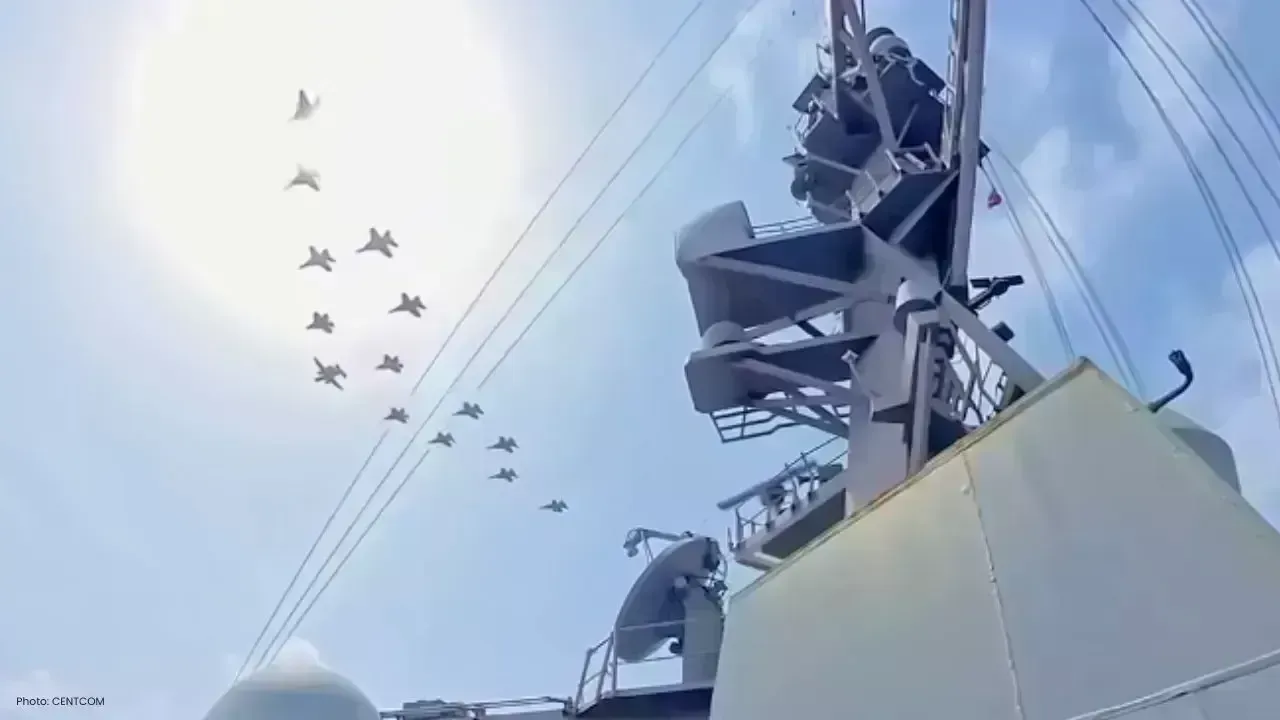
The latest deployment follows military operations carried out by the United States last month in the Arabian Sea. During those exercises, US Navy warships and military aircraft conducted coordinated operations while sailing and flying in close formation. CENTCOM described the operation as a demonstration of "unmatched American military strength and firepower," intended to reassure regional allies and signal US readiness to respond to potential threats.
Read More: Bahrain and US Officials Highlight Strategic Cooperation
US-Iran Relations Remain Under Strain
The increased naval presence comes after relations between Washington and Tehran worsened following recent military confrontations. The United States said it launched "powerful" strikes on Iranian military targets on Wednesday in response to attacks on three commercial vessels in the Strait of Hormuz.
CENTCOM said the operation targeted Iranian military infrastructure and warned that Iran would face "heavy costs" for attacks on international shipping. Meanwhile, Iran's state news agency IRNA reported that eight members of the country's air and naval forces were killed in the US strikes in southern Iran. Tehran accused Washington of repeatedly violating the Memorandum of Understanding (MoU) and said it would take "decisive measures" to protect its national security.
Trump Comments on Iran During NATO Summit
Speaking at the NATO summit in Ankara, US President Donald Trump said the ceasefire and the Memorandum of Understanding (MoU) with Iran were effectively "over." He also referred to the Iranian leadership as "sick" while discussing the recent military action.
Iran Criticises Additional US Naval Deployment
Iran has strongly criticised the expanded US military presence in the Middle East, saying that the deployment of additional American naval assets contributes to regional instability rather than improving security. Tehran maintains that the growing foreign military presence is increasing tensions across the region.
Strategic Waterways Remain a Global Concern
The Gulf and the Arabian Sea remain at the centre of the ongoing standoff between the United States and Iran. These waterways handle a significant share of global energy shipments, making them crucial to international trade. Any disruption to maritime traffic in the region could have major consequences for global oil markets and commercial shipping.


 English