Post by : Saif
Al-Najjar
The United States is facing a possible government shutdown starting Wednesday, raising questions about the impact on financial markets, the economy, and public services. Investors, analysts, and citizens are watching closely as political leaders attempt last-minute negotiations, but expectations for a quick deal remain low.
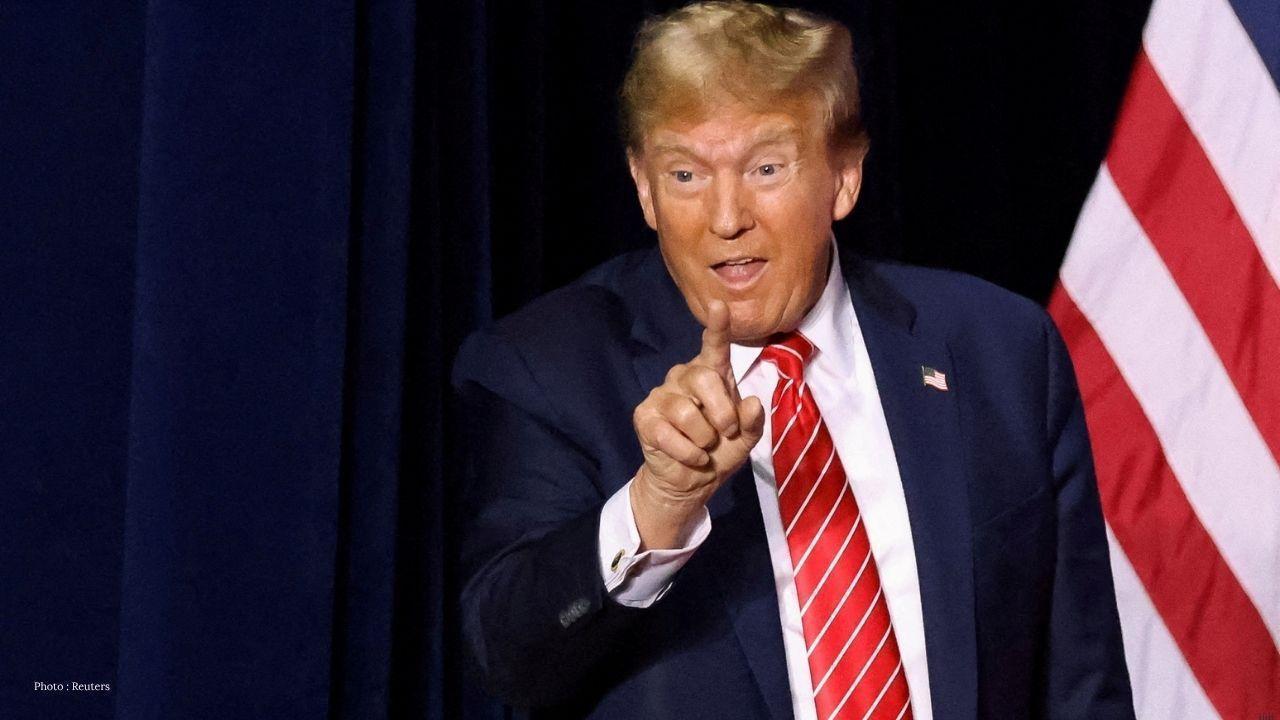
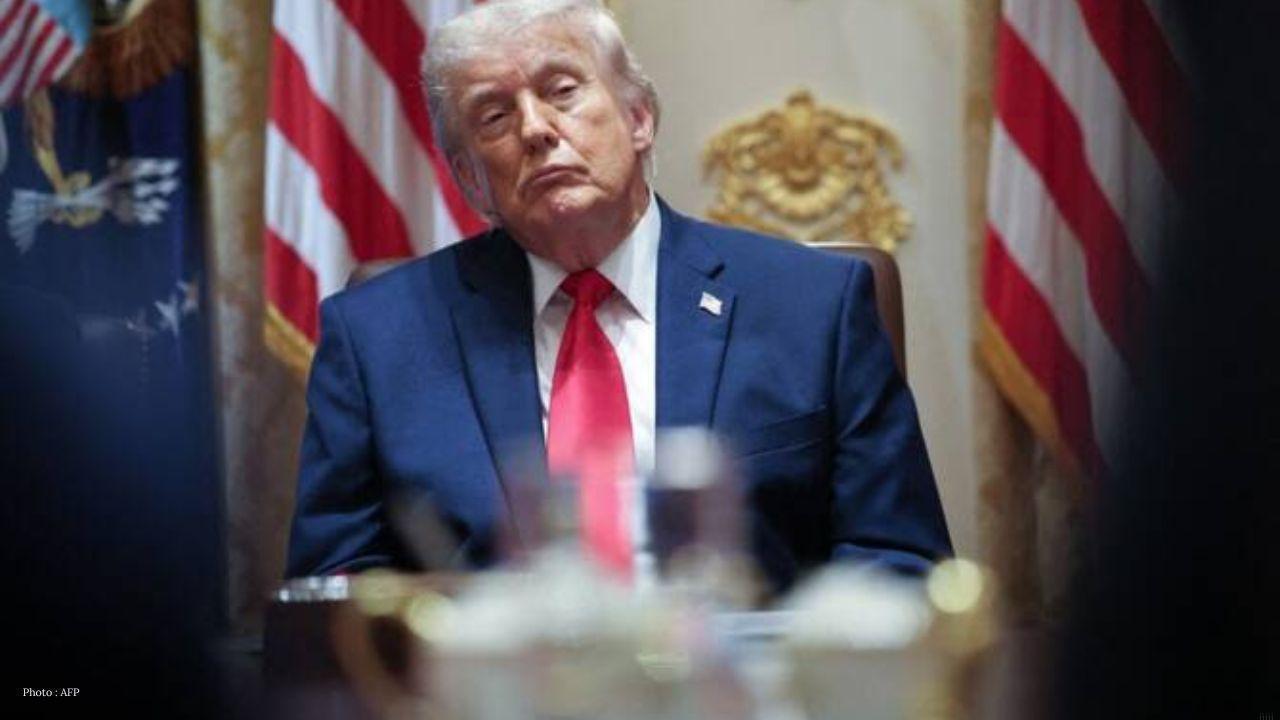
Treasury yields and the U.S. dollar have dropped slightly, while Asian stock markets showed modest gains. This cautious optimism comes as investors assess whether Congress and the White House can prevent a shutdown or whether the closure will become a reality. President Trump is scheduled to meet with top Democratic and Republican leaders on Monday to discuss a solution. However, both sides seem prepared for the government to temporarily close, seeing political advantage in the stalemate.
Experts at Bank of America estimate that a shutdown could cost around 0.1% of the country’s GDP per week. However, historically, such shutdowns have had minimal long-term effects on financial markets. Investors often assume that public pressure will force lawmakers to reopen the government. Yet, timing is crucial, as a shutdown would delay the release of the September payroll report and could complicate the Federal Reserve’s plans when it meets later this month. Markets are currently pricing in an 89% chance of a rate cut by the Fed, assuming the shutdown does not prevent action.
Adding complexity, new tariffs on big trucks, patented drugs, and possibly electronic devices are set to take effect this week. The Trump administration is reportedly considering levies based on the number of chips in electronic products, though details are unclear. Trade partners may find this unpredictable, raising concerns about the stability and reliability of U.S. trade policy.
This week is also significant for U.S. military leadership. Defense Secretary Hegseth has called a meeting of top generals, reportedly to discuss military strategy and leadership priorities. Speculation has arisen about whether this involves reinforcing a “warrior” culture, pledging loyalty to the president, or even reconsidering troop deployments abroad. The uncertainty adds another layer of attention for investors and policymakers.
Meanwhile, inflation continues to show mixed signals. The Personal Consumption Expenditures (PCE) Price Index indicated a slight rise in August, which could influence future Federal Reserve decisions. Investors are aware that a stable economic outlook is critical for maintaining confidence, especially as the fourth quarter historically brings strong stock market returns.
World equity markets have already gained about 17% this year, with technology stocks and gold leading the charge. Despite political and economic uncertainty, many investors hope for a smooth conclusion to these developments, allowing the U.S. economy to continue its growth trajectory.


 English